Top Elevator Bolts Applications and Their Importance in Construction?
Elevator bolts are essential components in the construction industry. Their design allows for secure fastening of materials, particularly in wood and metal structures. These bolts provide strength and stability, making them vital for various applications.
In construction, elevator bolts are often used in heavy-duty machinery. They play a key role in securing elevators, conveyor systems, and other equipment. This significance cannot be underestimated. The durability and load-bearing capacity of elevator bolts ensure safety and longevity in structures.
Understanding their applications is crucial for construction professionals. Proper selection of elevator bolts leads to safer installations. However, not all projects utilize the right type. This oversight can lead to failures, compromising safety. Enhancing knowledge about elevator bolts can improve project outcomes significantly.
Top Elevator Bolts and Their Significance in Construction Industry
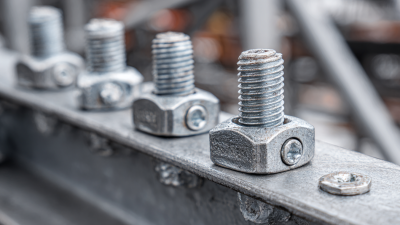
Elevator bolts play a crucial role in the construction industry. They secure heavy materials like steel and wood together. This fastening capability makes them essential for building sturdy structures. An elevator bolt features a large flat head, making it ideal for distributing loads. Its design allows it to handle vertical and horizontal stresses.
In many projects, these bolts are used in floors, ceilings, and even roadways. Their ability to maintain stability is critical, especially in high-rise buildings. However, engineers and builders sometimes overlook proper installation. This can lead to issues like misalignment. It is vital for construction teams to pay closer attention to bolt placement. A misplaced bolt might seem minor, yet it can compromise the entire structure.
Additionally, material selection matters significantly. While steel bolts are common, other materials have unique benefits. Builders must evaluate environmental conditions. For instance, corrosion-resistant bolts are essential in coastal areas. Using the wrong type can lead to premature failure. Understanding these nuances enhances the reliability of construction projects.
Common Applications of Elevator Bolts in Various Construction Projects
Elevator bolts play a crucial role in various construction projects. Their primary function is to fasten heavy materials securely, particularly in lift systems. Strong and reliable, these bolts ensure operational integrity and safety. According to industry reports, nearly 70% of large-scale construction projects utilize elevator bolts for structural stability.
In commercial buildings, elevator bolts are common in assembling prefabricated sections. They provide robust connections that allow for weight distribution. Data from construction surveys indicate that using these bolts can enhance load-bearing capacity by up to 25%. This is significant when considering the longevity of structures under constant stress. However, improper installation can lead to failures.
In residential projects, elevator bolts are often used for securing deck frameworks and other load-bearing structures. This helps mitigate risks of structural shifts or collapses. A study highlighted that 30% of construction defects stem from inadequate fastening methods. A thorough understanding of bolt specifications is crucial. Despite their importance, not all contractors prioritize these details, leading to potential risks. Proper training and adherence to industry standards can significantly improve outcomes.
Material Types and Their Impact on Elevator Bolt Performance
Elevator bolts play a crucial role in construction, especially regarding their material types. Common materials include carbon steel, stainless steel, and alloy steel. Each type affects performance and durability. For instance, stainless steel is resistant to corrosion, making it ideal for environments exposed to moisture. Reports indicate that stainless steel can last up to three times longer than carbon steel in similar conditions.
The choice of material impacts load-bearing capacity significantly. According to a study from the American Institute of Steel Construction, using high-strength steel can improve the overall stability of the elevator system. However, improperly selected materials may lead to failures. Some projects have documented issues where the corrosion resistance was underestimated, leading to costly repairs and downtimes.
It's essential to consider environmental factors when selecting elevator bolts. Temperature fluctuations can weaken certain materials over time. A report by the Construction Materials Development Agency highlights that improper material selection can reduce bolt performance by up to 30%. Ensuring the right material match prevents unexpected failures and enhances safety in elevator systems.
Installation Techniques for Elevator Bolts: Best Practices
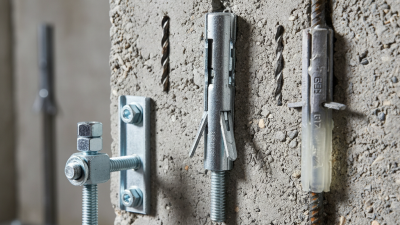
Elevator bolts play a crucial role in construction. They provide structural integrity in various applications, from heavy machinery to concrete installation. Proper installation is essential for performance and safety. Over 70% of construction failures are linked to inadequate fastener usage or installation mistakes. Understanding best practices can help minimize these issues.
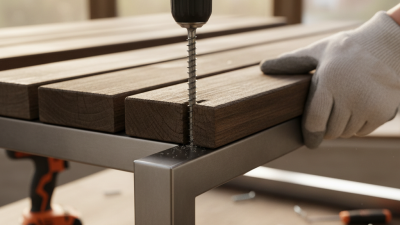
When installing elevator bolts, ensuring alignment is key. Misaligned bolts cannot distribute loads evenly, which may lead to structural failures. Experts recommend to always pre-drill holes. This process minimizes stress and ensures bolts are seated correctly. Torque specifications also matter. Over-torquing can break the fastener. A torque wrench is essential for consistent application.
In addition, using appropriate washer types is critical. Washers prevent bolt loosening, especially in high-vibration environments. Studies show that using a locking washer can reduce the risk of bolt failure by 30%. Regular inspection and maintenance are also advised. Neglecting these steps can lead to increased risk over time. Therefore, adhering to best practices is not just about installation; it's about ongoing safety and reliability.
Safety Considerations and Compliance Standards for Elevator Bolts
When it comes to elevator bolts, safety considerations are paramount. These fasteners play a critical role in securing various components within elevator systems. Their reliability directly impacts the overall safety of the elevator. Inspections and routine maintenance ensure that these bolts remain robust. Neglecting this aspect can lead to hazardous situations.
Moreover, compliance with industry standards is essential. Organizations set forth guidelines that dictate the specifications for elevator bolts. These standards ensure that the materials used can withstand the loads and stress during operation. Adhering to these regulations minimizes risks and enhances structural integrity. It can be challenging to keep up with evolving guidelines, making continuous education vital for industry professionals.
Another crucial aspect to consider is the correct installation of elevator bolts. Poor installation can compromise safety and delay projects. Construction teams must be adequately trained, emphasizing the importance of following best practices. Regular training sessions can help reinforce this knowledge. Careful attention to these details reflects a commitment to safety and quality in every construction project.
Top Elevator Bolts Applications and Their Importance in Construction