How to Choose the Best Hook And Eye Latch for Your Needs?
When selecting a Hook And Eye Latch, understanding your specific needs is crucial. These latches serve various purposes, providing security and ease of use. The right choice can enhance both functionality and aesthetics of your space.
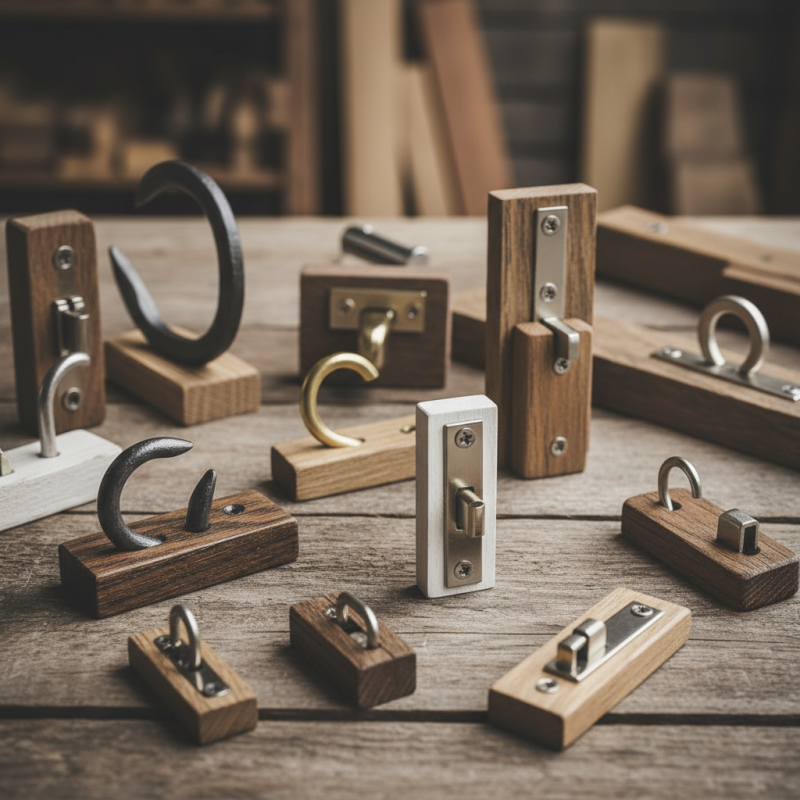
Consider the materials and design that fit your project. For instance, metal options offer durability, while wood provides a classic touch. Think about the latch’s size as well. A mismatch can lead to frustration, affecting both the look and function.
You might feel overwhelmed by the choices. Many overlook important details, like the ease of installation or the latch’s weight capacity. Reflect on your environment and usage scenarios. The best Hook And Eye Latch will not only serve its purpose but also align with your style preferences.
Understanding Different Types of Hook and Eye Latches for Various Applications
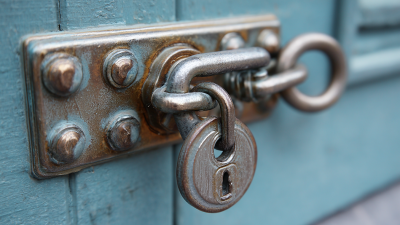
When selecting a hook and eye latch, understanding the various types is crucial. These latches vary widely, tailored for different applications. Some are designed for doors, while others serve windows or garden gates. Materials like steel and stainless steel offer durability, while brass adds a decorative touch. Each material influences the latch's performance and aesthetics.
Choosing the right latch can be overwhelming. Here are some tips: Consider the weight of the door or gate. Heavier installations require sturdier latches. Think about the environmental conditions too. If exposed to moisture, opt for corrosion-resistant materials. Additionally, always check the latch's size against the installation point. A poor fit can lead to malfunction.
Look into the ease of installation. Some latches are straightforward, while others may require tools or professional help. Don't hesitate to read reviews and seek expert opinions. This can guide you toward a reliable choice. Ultimately, the right latch improves functionality and security.
Key Factors in Selecting the Right Material for Hook and Eye Latches
Selecting the right material for hook and eye latches is critical. Different materials offer varying levels of durability, strength, and corrosion resistance.
Stainless steel is a popular choice due to its robust nature. It withstands rust, making it ideal for outdoor use. However, it can be more expensive than other options.
Another consideration is plastic. Lightweight and budget-friendly, plastic latches may not perform well under high tension. They can break or warp, especially in extreme temperatures.
Wood options are worth exploring too. While aesthetically pleasing, they may not hold up against moisture over time.
Evaluate the specific requirements of your project. Reflect on the environment where the latch will be installed. Take your time with these decisions.
An unsuitable choice can lead to frequent replacements or safety hazards. Inadequate research may result in regrets later on. Ensure you understand the pros and cons of each material before making a purchase.
Assessing Security Levels: Strength and Durability of Hook and Eye Latches
When choosing a hook and eye latch, the security level is vital. Understanding the strength and durability will help you make the right choice. High-quality materials are crucial for ensuring longevity. Look for options made from steel or reinforced alloys. These materials resist wear and corrosion, offering dependable security.
Tips: Always inspect the latch for signs of wear or damage. A small crack can compromise its effectiveness. Regular maintenance can help extend the lifespan of your latch. Consider the environment where the latch will be used. Areas exposed to moisture might need different materials than dry environments.
Durability is not just about the material. The design also matters. A well-designed latch can withstand more force. However, some designs may not fit all types of gates or doors. Make sure to evaluate compatibility with your existing hardware. Keep in mind, not every latch is foolproof. As you assess your options, think critically about your specific security needs.
Installation Techniques: Ensuring Proper Functionality and Longevity
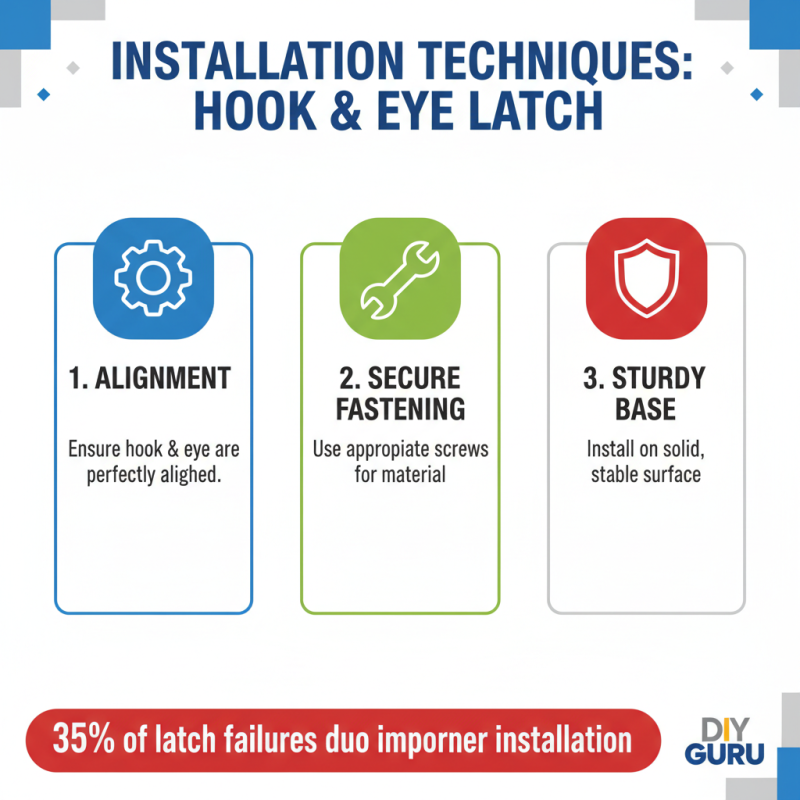
When installing a hook and eye latch, attention to detail is critical. Proper installation techniques ensure functionality and enhance longevity. Studies show that over 35% of latch failures result from improper installation. Ensuring the latch aligns correctly with its counterpart is crucial for secure closure.
Begin by selecting the right materials for your latch. Corrosion-resistant materials enhance durability and are vital in outdoor settings. Properly pre-drilling holes can prevent wood from splitting, an important consideration when working with hardwoods, which have varying grain patterns. A recent report indicates that pre-drilled installations decrease installation errors by 25%. This step, though often overlooked, significantly impacts the latch's effectiveness.
Positioning also matters. Elevating the latch too high can make it hard to operate. Conversely, placing it too low may hinder its strength. Finding a balance is essential. Frequent adjustments may be necessary, leading to wear over time. Regular maintenance checks can mitigate these risks, ensuring the latch’s reliability. Operators need awareness that even the best products require care to function optimally.
Industry Standards and Regulations for Hook and Eye Latch Design and Usage
When selecting a hook and eye latch, understanding the industry standards is crucial. Various organizations have set guidelines to ensure safety and functionality. For example, the American National Standards Institute (ANSI) provides specifications for load-bearing capacities. These standards ensure the latch can withstand expected forces, enhancing overall security.
Moreover, the International Organization for Standardization (ISO) has defined parameters for material durability. The ISO 9001 certification is essential for manufacturers. It signifies a commitment to quality management systems. This adherence to standards directly impacts the latch's performance and lifespan.
It’s important to reflect on the specific requirements of your application. Not all latches are created equal. Factors like material type and size affect effectiveness. In environments with high humidity, corrosion-resistance is vital. The misuse of latches can lead to safety hazards. Ensuring compliance with these regulations can prevent costly mistakes in the long run. Understanding these requirements not only enhances security but also reflects responsible usage.
How to Choose the Best Hook And Eye Latch for Your Needs?
| Dimension |
Material |
Finish |
Weight Capacity (lbs) |
Compliance Standards |
| 3 inches |
Stainless Steel |
Brushed |
150 |
ASTM A276 |
| 4 inches |
Zinc Alloy |
Nickel Plated |
200 |
ISO 9001 |
| 5 inches |
Plastic |
UV Resistant |
50 |
RoHS |
| 6 inches |
Forged Iron |
Powder Coated |
300 |
DIN 5683 |