How to Choose the Right Brass Washers for Your Projects?
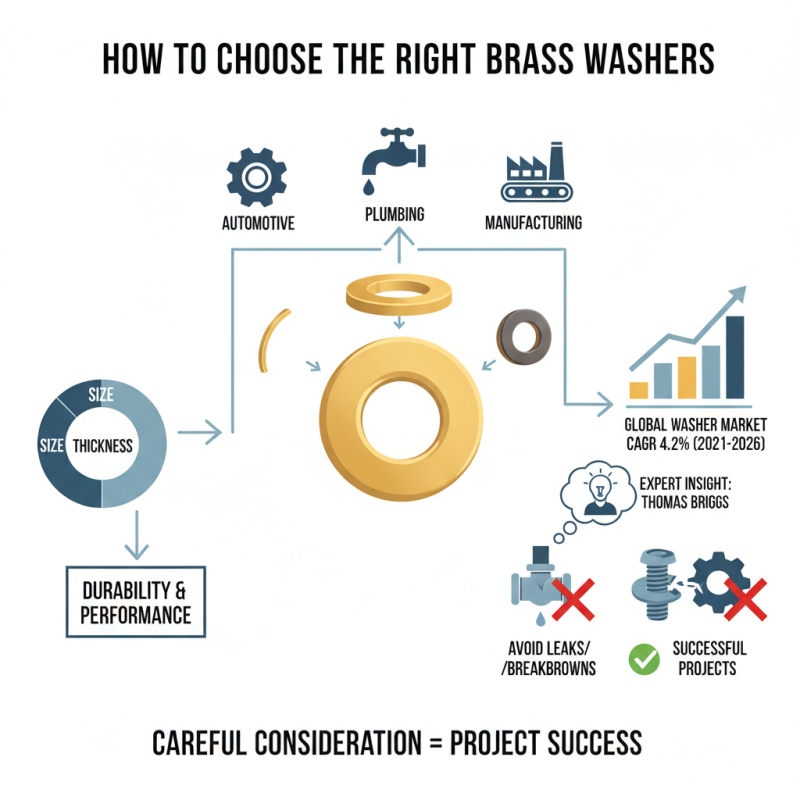
Choosing the right brass washers for your projects is crucial for ensuring durability and performance. Brass washers are widely used in various applications, including plumbing, automotive, and manufacturing. According to a report by Market Research Future, the global washer market is projected to grow at a CAGR of 4.2% from 2021 to 2026, highlighting the increasing demand for high-quality materials.
Expert Thomas Briggs, a leading figure in the brass industry, states, “Selecting the right brass washers can significantly impact the longevity and effectiveness of your projects.” This insight underscores the importance of making informed choices when it comes to washer selection. Various factors should be considered, such as size, thickness, and coating.
While many may overlook the specifics of brass washers, these components can define the success of a project. Some projects fail due to improper washer choices. This can lead to leaks or equipment breakdowns. Understanding the nuances of brass washers can help avoid these pitfalls. Therefore, careful consideration is vital, reflecting on both the technical specifications and the end-use requirements.
Understanding the Different Types of Brass Washers Available in the Market
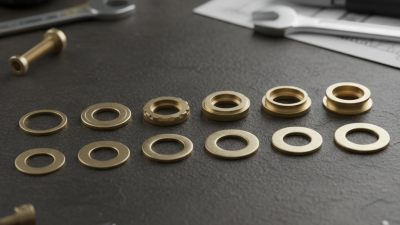
When choosing brass washers, understanding the types available is crucial. Brass washers can generally be categorized into flat, lock, and sealing washers. Flat washers are commonly used to distribute load, minimizing the wearing surface. Lock washers, on the other hand, provide resistance to loosening under vibration, which is vital in machinery setups. Sealing washers create a watertight seal, essential for plumbing and automotive applications.
A recent industry report noted that flat washers dominate the market, making up approximately 60% of brass washer sales. Lock washers, though less common, are gaining traction due to their effectiveness in preventing loosening. It's evident that each type serves a specific purpose, yet the selection often depends on application requirements. For example, using a flat washer in a high-vibration environment may lead to failure, highlighting the importance of proper choice.
Material quality also plays a significant role in washer performance. Some manufacturers offer varying levels of corrosion resistance, which is key in humid or salty environments. An incorrect choice may lead to premature failure, wasting time and resources. Thus, evaluating your project needs is critical.
Evaluating the Size and Thickness for Optimal Application Efficiency
Choosing the right brass washers is crucial for your projects.
Size and thickness significantly affect application efficiency.
Industry reports indicate that using the correct dimensions can improve sealing effectiveness by up to 20%.
A washer too thin may not withstand pressure, leading to leaks. Conversely, an excessively thick washer can create unnecessary gaps.
When selecting a washer, measure the screw or bolt diameter. A standard guide suggests an inner diameter
1-2 mm larger than the bolt. This allows for a snug fit without compromising stability.
The thickness should balance durability with flexibility; typically, 0.5-2 mm is optimal for various applications.
Consider your project’s specific needs. Referencing data from the American National Standards Institute
may provide essential insights on sizing standards.
Tip: Always test a sample before full deployment. This aids in identifying potential issues.
It's better to adjust before assembly complications arise. Additionally, consult with professionals in the field for tailored advice.
Their experience can save time and resources.
Comparing Corrosion Resistance Properties of Brass vs. Other Materials
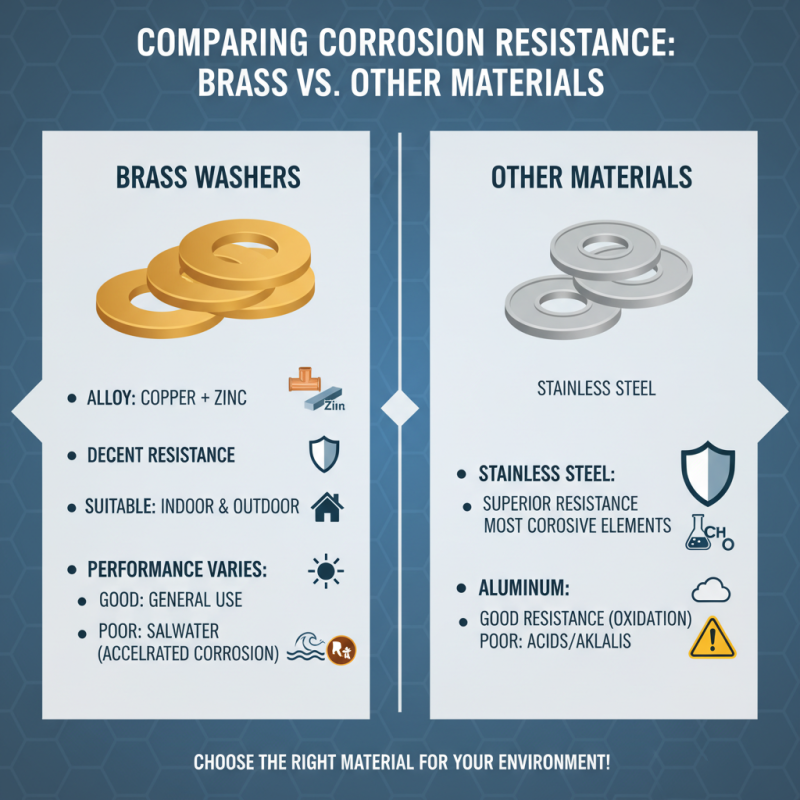
When selecting brass washers for various projects, understanding their corrosion resistance is crucial. Brass, an alloy primarily made of copper and zinc, offers decent resistance to corrosion. This makes it suitable for both indoor and outdoor environments. However, its performance can vary significantly based on the specific environment. For instance, exposure to saltwater accelerates corrosion. In contrast, stainless steel offers superior resistance to most corrosive elements.
Choosing the right material depends on your specific application. In some cases, brass might corrode faster than you expect. Factors such as humidity, pH levels, and chemical exposure can further influence this. While brass has aesthetic appeal and good mechanical properties, consider alternatives like plastic or stainless steel for harsher conditions. Both have their unique benefits and may outperform brass in specific scenarios.
It's necessary to weigh these choices carefully. Testing different materials in your intended environment can provide insights. Unpredictable outcomes may arise, even among those experienced in the field. Over time, you may find that what works in theory doesn't always work in practice. Understanding these nuances is key when choosing materials for lasting durability.
Assessing Load Capacity and Pressure Requirements for Specific Projects
Choosing the right brass washers involves understanding load capacity and pressure requirements. Each project calls for different specifications.
Assess how much load your washers will need to support.
Too much load could lead to failure.
Inadequate washers may also compromise the integrity of the entire assembly.
Tips: Always check the manufacturer's specifications. This step ensures you select washers fit for your needs.
Consider the environment where the washers will be used.
High-pressure situations may require heavier-duty options.
Brass washers are good for various applications, but not all are created equal.
Evaluate the specific requirements. If there's any doubt about the load capacity, it’s wise to consult with a professional.
This approach can prevent potential mishaps.
Also, don’t overlook the importance of
pressure ratings. Choosing the right washer can greatly influence the durability of your project.
Identifying the Best Manufacturing Standards for Quality Assurance in Washers
When selecting brass washers, understanding manufacturing standards is crucial for ensuring quality. Various industries use different standards, impacting durability and performance. According to the American National Standards Institute (ANSI), washers must meet specific dimensions and tolerances. Proper adherence to these guidelines guarantees that washers fit correctly, preventing leaks or mechanical failure.
Many reports indicate that improperly manufactured washers can lead to increased maintenance costs. In a study, it was revealed that nearly 25% of machinery failures are due to substandard components, including washers. Moreover, certifications like ISO 9001 highlight rigorous quality management systems that manufacturers should follow. Such certifications give buyers confidence in the product's reliability and performance.
Buyers should thoroughly assess suppliers and their manufacturing processes. Look for detailed documentation verifying compliance with industry standards. Even minor discrepancies in a washer's specifications can lead to significant issues. Faulty washers can compromise overall project integrity, leading to costly repairs. Selecting reliable materials based on stringent manufacturing standards is vital in any project.