How to Choose the Right Dry Wall Screws for Your Project?
When undertaking a drywall project, choosing the right Dry Wall Screws is crucial. Industry expert John Smith, a veteran contractor with over 15 years of experience, often emphasizes, "The right screws can make or break your drywall job." His insights highlight the importance of quality and selection in the success of construction projects.
Dry Wall Screws come in various types, sizes, and materials. It's essential to understand which options suit your specific needs. Thin screws work well for lighter panels, while thicker varieties offer better support. Consider the material you are working with, as it directly affects the screw choices. Many DIY enthusiasts overlook this crucial detail, leading to subpar results.
Investing time in selecting the appropriate Dry Wall Screws pays off. However, many people still make mistakes. They often choose the wrong length or drive type. This can compromise stability and durability. Reflecting on personal experiences, one can see how the right screws transform a project. Taking the time to learn can save you from costly errors.
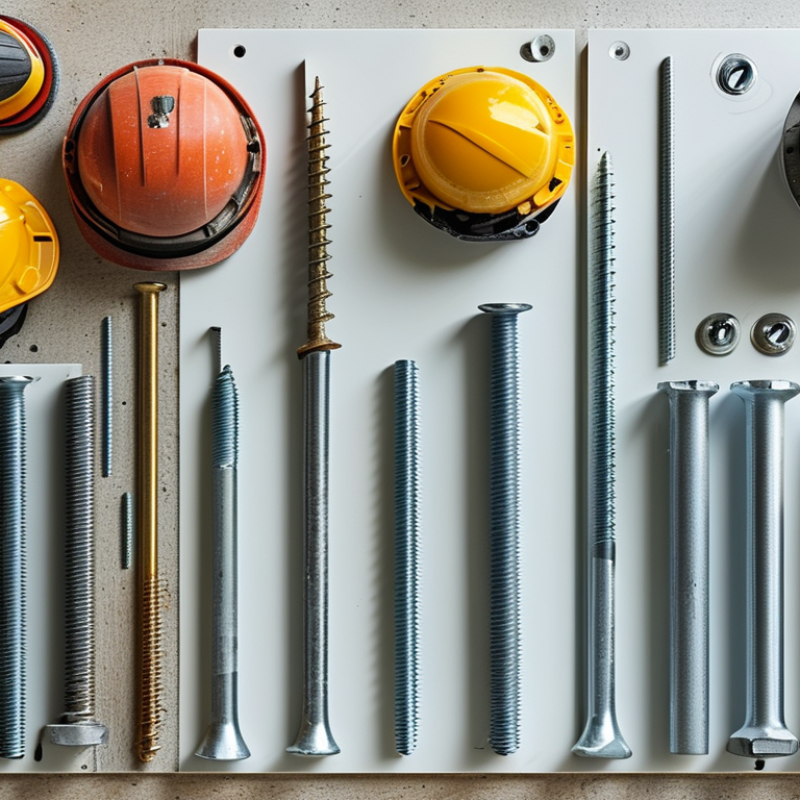
Understanding Different Types of Dry Wall Screws
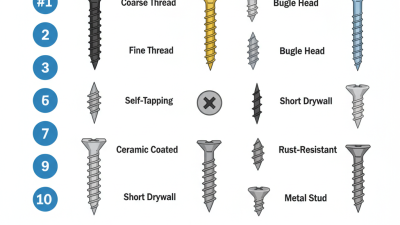
When choosing drywall screws, understanding the different types is crucial. Drywall screws typically fall into two categories:
fine-thread and
coarse-thread.
Fine-thread screws work best for metal studs, providing a tighter grip.
Coarse-thread screws are ideal for wood, as they penetrate better and hold securely.
According to a study by the Gypsum Association, selecting the wrong type can lead to drywall failures.
Material also matters. Most screws are made from steel and have a coating to resist corrosion.
Galvanized screws are suitable for humid environments.
A study by the National Association of Home Builders indicates that using the wrong screw material can decrease durability by up to
30%. Additionally, pay attention to screw length. The standard is 1 1/4 inches for 1/2-inch drywall. However, longer screws might be necessary for thicker materials.
Choosing improperly can lead to weak installations. The cost of material failure is high, both in time and money. While it might be tempting to use leftover screws, it’s essential to match them to your project.
Each screw type serves a unique function. Neglecting these details can result in problems later on.
Consider the specifics of your project carefully.
Determining the Appropriate Screw Length for Your Project
Choosing the right screw length is crucial for your drywall project. The length affects how well the drywall adheres to the framing structure. A report from the Drywall Manufacturers Association indicates that using screws that are too short may lead to poor stability, while overly long screws can pierce plumbing or electrical wiring behind the wall.
When determining screw length, it’s essential to consider the thickness of your drywall. Standard drywall is typically ½ inch thick. For this thickness, a screw length of 1 1/4 inch is often recommended. If you use thicker drywall, such as 5/8 inch, opt for screws that are 1 5/8 inches long. This ensures that the screws penetrate into the studs without causing complications.
Tip: Always measure the drywall thickness before purchasing screws. Using the right length maximizes structural integrity and minimizes the risk of damage to hidden wiring. Remember, longer isn’t always better. If you're uncertain, consult with professionals who understand the nuances of drywall applications.
Selecting the Right Screw Head Style for Optimal Performance
Choosing the right screw head style is critical for maximizing performance in your drywall projects. Different head styles, such as Phillips, square, and hex, each offer unique advantages. Phillips screws are highly versatile, making them suitable for most applications. Their design allows for a good grip and reduces the chance of stripping, but they can be tricky if misaligned.
Square head screws, often preferred by professionals, provide better torque transfer. This feature can make installation faster and more efficient. However, availability might be an issue for some users. Hex head screws, on the other hand, offer strong resistance against cam-out situations, and work well with power tools. Think about your project requirements. Are you looking for speed, strength, or ease of use?
Reflect on the surface you’re fastening. Some screw heads sit flush, while others may protrude. Consider the final appearance of the wall. Lastly, always think about how easy it is to find the screws you need. Accessibility can influence your choice significantly, especially on larger jobs. Take the time to evaluate each option carefully.
Evaluating Material Compatibility with Drywall Screws
When choosing drywall screws, understanding material compatibility is critical. The right screw can affect the durability of the entire assembly. Drywall screws are typically made of steel and come with various coatings. The most common types include black phosphate, zinc-plated, and stainless steel. According to industry reports, zinc-plated screws often resist rust, making them suitable for humid environments.
Consider the drywall type you are using, such as standard, moisture-resistant, or fire-rated. Each type interacts differently with screw materials. For instance, fire-rated drywall requires screws that can withstand high heat without failing. Using screws incompatible with your drywall can lead to structural failure.
Screw length is also essential for optimal attachment. Most drywall installations use 1.25-inch to 2-inch screws, depending on the thickness of the panels. However, too long a screw can penetrate beyond the stud, risking damage to electrical wiring. Additionally, avoid using drywall screws in applications intended for wood or metal studs without proper evaluation. Industry research points out that mismatches can lead to long-term issues, costing more in repairs than the initial savings on inferior materials.
Tips for Proper Installation Techniques and Tools
Choosing the right screws is crucial for drywall installation. Using the correct size and type ensures stability. Drywall screws typically have sharp points. This helps them penetrate the board easily. Standard lengths range from 1 inch to 2.5 inches, depending on the thickness of the drywall. It's vital to match the screw length to the drywall thickness for optimal hold.
Proper installation techniques can make all the difference. First, use a drill with a depth stop to avoid overdriving screws. Overdriving can cause the drywall to crumble. A consistent distance between screws is key. Space them about 12 to 16 inches apart. This keeps the drywall securely attached.
Tools play a significant role in achieving professional results. A screwdriver or drill should fit comfortably in your hand. A magnetic tip can prevent dropped screws, making installation smoother. Consider using a drywall lift for large sheets; this adds safety and allows for precision. Review your work regularly, ensuring screws are flush with the surface. This attention to detail can lead to a more polished finish.
How to Choose the Right Dry Wall Screws for Your Project?
| Screw Type |
Length (inches) |
Head Type |
Material |
Recommended For |
| Regular Drywall Screw |
1-1/4" |
Bugle |
Steel |
Wall Panels |
| Coarse Thread Screws |
1-5/8" |
Bugle |
Steel |
Wood Framing |
| Fine Thread Screws |
2" |
Bugle |
Steel |
Metal Framing |
| Drywall Anchors |
3" |
Round |
Plastic |
Hanging Heavy Items |
| Self-Drilling Screws |
1-1/4" |
Bugle |
Steel |
Metal to Metal |