Best Neoprene Washers for Reliable Sealing Solutions?
In the quest for reliable sealing solutions, the choice of materials plays a crucial role. Neoprene washers are widely recognized for their durability and effectiveness. Renowned industry expert, Dr. Jane McCarthy, states, "Neoprene washers offer an excellent balance of flexibility and strength, making them ideal for various applications." This insight emphasizes the significance of selecting the right component for optimal performance.
These versatile washers are used in everything from plumbing to automotive applications. Their ability to withstand harsh elements and provide a secure seal is unmatched. However, not all neoprene washers are created equal. The wrong thickness or hardness can lead to improper sealing and failure.
Understanding the specific requirements of your project is essential. The right neoprene washer ensures longevity and reliability. While the options may seem overwhelming, considering factors such as temperature resistance and chemical compatibility is vital. Engaging with industry professionals can guide you toward the best neoprene washers for your needs. Reflecting on these elements can enhance both the effectiveness and safety of your projects.
Neoprene Washers: Overview and Common Applications in Industry
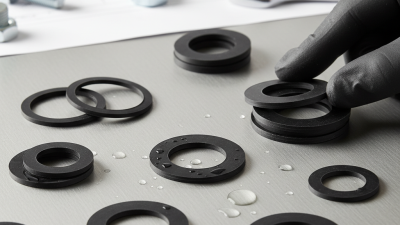
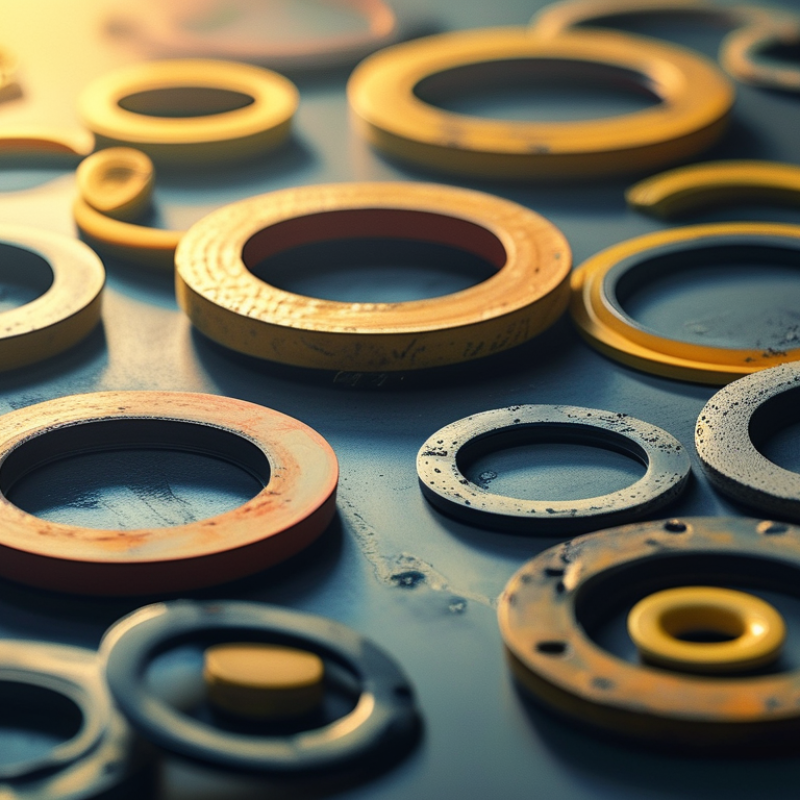
Neoprene washers have gained widespread popularity in various industries due to their reliability. These washers are made from synthetic rubber, providing excellent resistance against temperature changes and chemicals. Their versatility makes them suitable for applications in automotive, plumbing, and electrical sectors. In plumbing, they create a strong seal to prevent leaks. In automotive applications, they help minimize vibration between components.
Their effectiveness relies on specific factors. A well-designed washer must match the application’s pressure and temperature requirements. While neoprene offers flexibility, not all projects may benefit from its properties. For instance, extreme temperatures might compromise the material's integrity. Careful consideration is necessary to avoid potential failures.
Users often overlook the importance of proper installation. Misalignment can lead to inadequate sealing. Regular inspections are beneficial for maintaining the integrity of seals over time. By ensuring correct usage, industries can maximize the lifespan of these washers and enhance overall reliability in their systems.
Material Properties of Neoprene: Why Choose for Sealing Solutions?
Neoprene is a versatile material known for its excellent sealing capabilities. Its unique properties make it an ideal choice for various applications. Neoprene has a good resistance to heat and weather, which enhances its durability. This resilience is crucial when used in harsh environments. For those seeking reliable sealing solutions, neoprene washers are often a preferred option.
One of the standout features of neoprene is its flexibility. It can be compressed and molded without losing its structural integrity. This quality ensures a tight seal in various fittings, preventing leaks effectively. Furthermore, neoprene is resistant to many chemicals, adding to its utility in industrial applications.
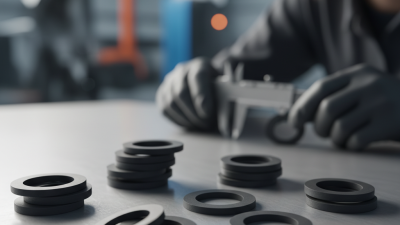
When selecting neoprene washers, consider their thickness and hardness. Different applications may require specific sizes. Ensure that the washers fit snugly into designated spaces. Choosing the right dimensions can significantly improve the sealing effectiveness. Regular inspections of the washers can also help identify wear and tear early. Replacing damaged washers promptly can prevent failures and maintain system integrity.
Performance Metrics: Evaluating the Efficiency of Neoprene Washers
Neoprene washers are essential for reliable sealing in various applications. Their performance is often evaluated based on metrics such as compression set, tensile strength, and chemical resistance. Research indicates that neoprene can maintain an exceptional tensile strength of around 20-30 MPa, which makes it suitable for high-stress environments.
Despite these advantages, not all neoprene washers perform identically. A study found that the compression set of neoprene can range significantly, often between 5% to 30%, depending on the formulation. This inconsistency can lead to potential sealing failures if not properly assessed. It's critical to consider the specific application requirements when selecting a washer type.
Chemical resistance is another vital performance metric. Neoprene shows excellent resistance to oils and solvents, making it ideal for automotive seals. However, its performance can be compromised by prolonged exposure to certain chemicals. Therefore, understanding the operational environment is key to ensuring long-term efficiency and reliability of the sealing solution.
Industry Standards: Compliance and Quality Assurance for Washers
When it comes to neoprene washers, adherence to industry standards is crucial. Compliance ensures that these fasteners meet specific requirements, which guarantees their effectiveness in sealing applications. Quality assurance processes verify that materials can withstand environmental conditions. Proper testing can enhance confidence in their reliability.
Choosing the right neoprene washers involves looking beyond just materials. It's important to assess how well they meet performance criteria in real-world situations. Some washers may not perform as expected, leading to potential leaks. Understanding manufacturer certifications helps identify those that consistently uphold high standards.
Despite the advancements in manufacturing, not all neoprene washers offer the same level of quality. Variability in production can lead to inconsistencies. Regular evaluations and feedback are essential for continuous improvement. Being aware of these imperfections can help consumers make more informed decisions. Selecting the right washers means not only following the standards but also recognizing the limitations that can arise during their use.
Comparative Analysis: Neoprene vs. Other Sealing Materials in Use
Neoprene washers are well-regarded for their reliability in sealing applications. They outperform many other materials due to their unique composition. Neoprene is resistant to water, oil, and chemicals. This makes it an excellent choice in diverse environments, from automotive to marine applications. However, it's not always the best solution.
For lighter-duty tasks, other materials like rubber or silicone might suffice. These materials can sometimes offer greater flexibility and ease of installation. Keep in mind, neoprene has a limited lifespan when exposed to UV light. In contrast, silicone may endure harsher sunlight without degrading as quickly.
When selecting sealing solutions, consider the specific application. Evaluate the environmental factors like temperature fluctuations and exposure to various substances. Don’t forget to think about installation ease, too. An appropriate choice will depend not just on performance, but practicality as well. Prioritize your needs for reliability and durability. This careful assessment will lead to better results in your projects.