How to Choose the Right Neoprene Washers for Your Projects?
In the vast realm of industrial applications, Neoprene Washers stand out for their versatility and durability. According to a report by Grand View Research, the global market for rubber washers, including neoprene types, is projected to reach $1.2 billion by 2025. This growth reflects their essential role in various sectors, from plumbing to automotive. Selecting the right Neoprene Washers is crucial for ensuring project longevity and performance.
When choosing Neoprene Washers, several factors must be considered. Hardness ratings, size specifications, and environmental resistance are paramount. Each application may require unique characteristics, such as resistance to certain chemicals or temperature fluctuations. Data from the Rubber Manufacturers Association indicates that improper washer selection can lead to leakage, costly repairs, and project delays.
However, finding the perfect fit can be a challenge. It's not uncommon for users to overlook critical specifications, leading to inefficiencies. Many industry professionals recommend a thorough assessment of project needs before making a decision. Evaluating both technical requirements and application environments can help ensure the right selection of Neoprene Washers, ultimately optimizing performance and durability.
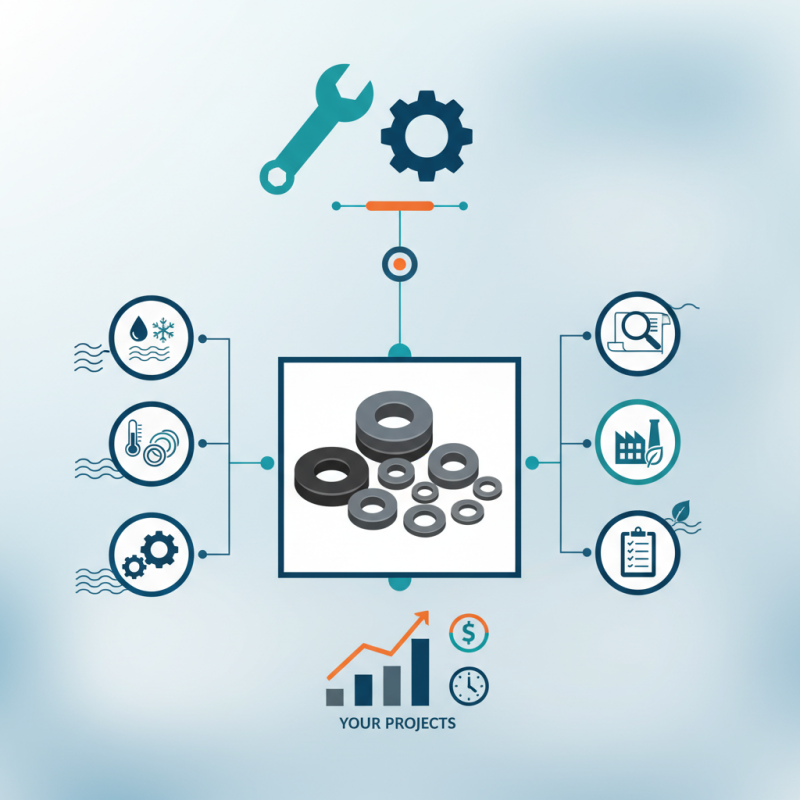
Understanding Neoprene Washers: Composition and Properties
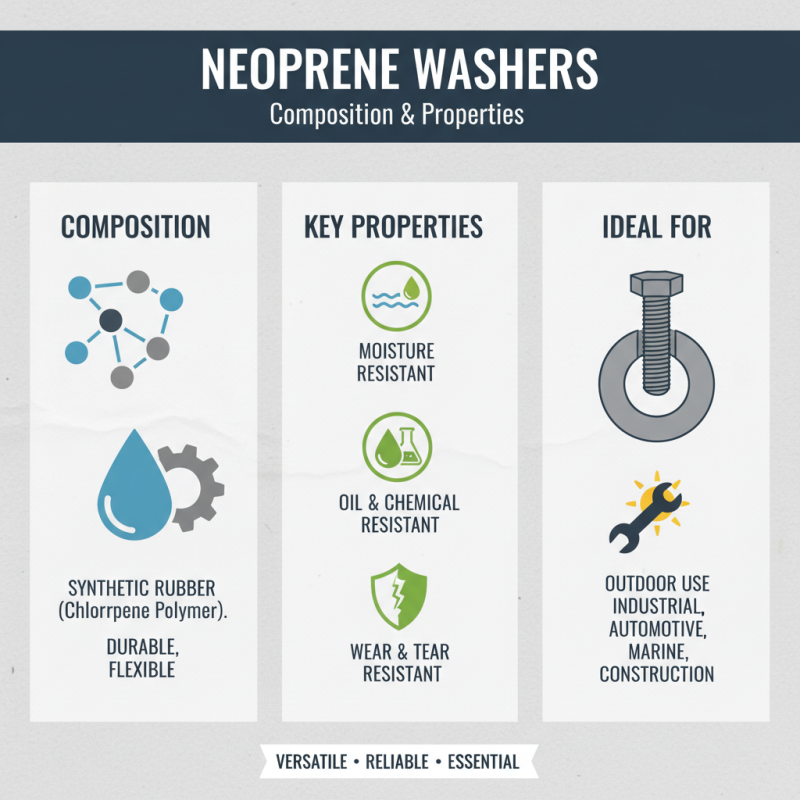
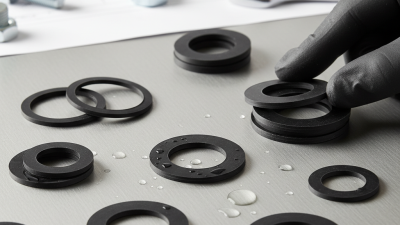
Neoprene washers are essential components used in various projects. Understanding their composition and properties is crucial for optimal application. Neoprene, a synthetic rubber, is known for its durability and flexibility. Its resistance to moisture, oil, and chemicals makes it a popular choice in many industries. These washers can withstand wear and tear, making them suitable for outdoor use.
When selecting neoprene washers, consider their hardness and thickness. Different projects require specific characteristics. For example, thicker washers provide better sealing but might not fit in tighter spaces. Also, hardness affects the washer's ability to compress and rebond effectively. Don't overlook the importance of a proper fit. An ill-fitting washer can lead to leaks and potential failures, which can be frustrating.
Sometimes, the best choice isn't immediately obvious. Testing different types can reveal surprising results. Experimentation allows you to understand performance variations. Reflect on your project's requirements. Analyzing these details can lead to a successful outcome. Remember, not every neoprene washer will work for every need. Thoughtful selection and some trial and error are necessary for the best results.
Identifying Your Project Needs: Size, Thickness, and Shape Considerations
Choosing the right neoprene washers for your project requires careful consideration of size, thickness, and shape. Proper sizing is critical. A washer that’s too small can lead to leaks, while one that’s too large might not seal effectively. Research shows that 30% of assembly failures are due to improper washer sizes. Taking precise measurements ensures compatibility with the components involved.
Thickness also plays a crucial role. Neoprene washers are available in various thicknesses, ranging from 1/16 inch to 1/2 inch. Thicker washers can provide better compression and sealing under high pressure. However, they might not fit in tight spaces. A study found that using the correct thickness can increase the life of applications by up to 25%.
Shape is another factor to consider. Washers come in different designs, including flat, raised, and conical shapes. Each serves different needs based on the surfaces they fit against. For example, flat washers distribute load evenly, while conical ones are suited for uneven surfaces. A mismatch in shape can lead to performance issues. Analyze your project’s specific demands before making a decision.
How to Choose the Right Neoprene Washers for Your Projects?
| Project Type |
Size (Diameter) |
Thickness |
Shape |
Recommended Use |
| Plumbing |
3/4 inch |
1/8 inch |
Round |
Sealing pipe connections |
| Automotive |
1 inch |
1/4 inch |
Square |
Vibration dampening |
| Construction |
2 inch |
1/16 inch |
Round |
Weatherproofing |
| Electrical |
1.5 inch |
1/32 inch |
Round |
Insulation against moisture |
| Marine |
1 inch |
1/8 inch |
Round |
Preventing leaks |
Evaluating Performance Factors: Temperature, Pressure, and Chemical Resistance
When selecting neoprene washers, understanding performance factors is crucial. Two key elements to consider are temperature tolerance and pressure resistance. Neoprene performs well in various temperature ranges. However, extreme conditions may affect its integrity. Testing in real-world scenarios can provide valuable insights. High heat can cause degradation, while low temperatures might lead to brittleness.
Chemical resistance is equally important. Neoprene may not withstand certain solvents or acids. Evaluate the specific chemicals involved in your project. Consult safety data sheets to confirm compatibility. Furthermore, monitor how the washer reacts over time. This often requires trial and error. Documenting test results can guide future selections.
Another consideration is compression set. Neoprene washers may lose shape under prolonged pressure. Assess your application to ensure a proper fit. Adjusting dimensions based on real-world data can enhance performance. Continuous evaluation and adaptation are vital for achieving optimal results. Aim to refine your choices based on ongoing experiences.
Performance Factors of Neoprene Washers
Selecting Quality: Brand Reputation and Product Certifications
When selecting neoprene washers, brand reputation matters significantly. Quality is not an accident. Brands with a history of producing reliable products often invest in rigorous testing. These results translate to lower rates of failure and customer complaints. According to a recent industry report, companies recognized for quality manufacturing can reduce warranty claims by up to 30%. This statistic highlights the importance of choosing the right brand.
Product certifications serve as indicators of quality and reliability. Look for certifications like ISO 9001 or ASTM standards. These certifications ensure that the product meets specific performance criteria. Businesses can increase trust in their chosen washers by opting for certified products. However, not all certifications carry the same weight. Some may be based on self-reported data. It’s crucial to investigate the certifying body and its reputation.
It’s important to note that brand and certification shouldn’t be the sole determining factors. Individual project requirements can vary greatly. Assess the specific needs, such as temperature resistance and chemical exposure. Engaging in discussions with manufacturers can also provide deeper insights. They might offer guidance tailored to unique projects, contributing to a more informed selection process. Reflect on these elements to enhance project outcomes.
Installation Considerations: Tips for Proper Use and Maintenance of Washers
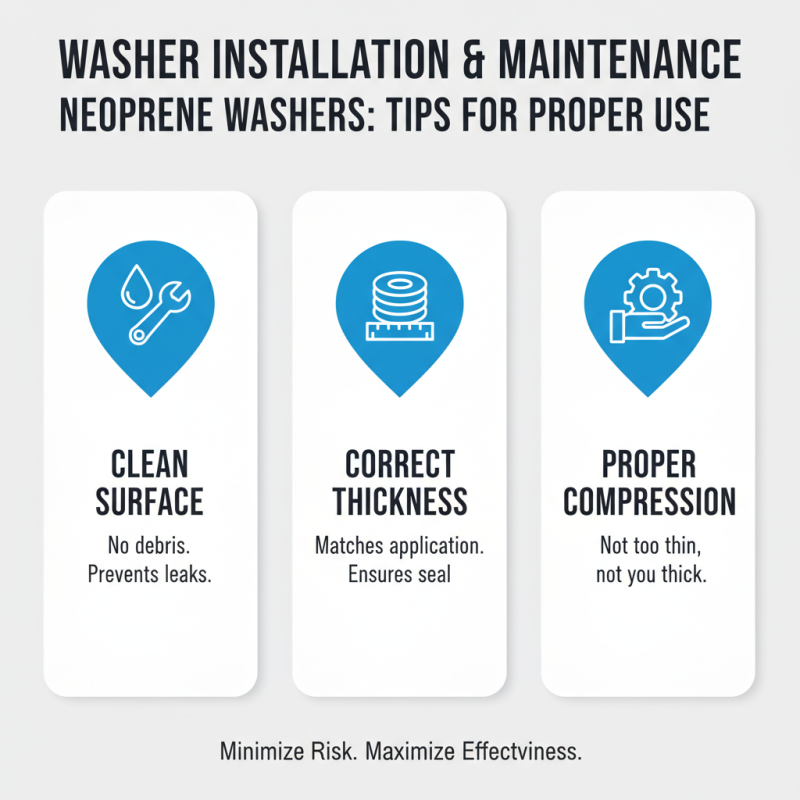
When selecting neoprene washers, proper installation plays a crucial role in their effectiveness. Ensure the surface is clean and free from debris. This minimizes the risk of leaks or damage. Pay attention to the thickness of the washer; it must match your application’s requirements. A washer that is too thin may compress too much, while one that is too thick might not seal effectively.
Maintenance is equally important. Regularly inspect washers for signs of wear, such as cracking or hardening. These issues can compromise their functionality. If found, replace them immediately to avoid further complications. Additionally, consider the environmental factors. Extreme temperatures and exposure to chemicals can impact neoprene. Knowing these factors can help extend the life of your washers. Remember, even minor oversights can lead to significant problems. Always take the time to evaluate your installation and maintenance processes.