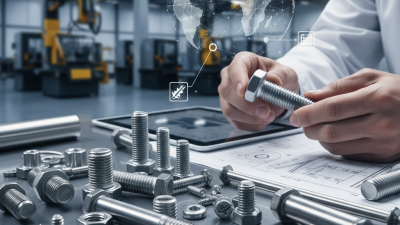
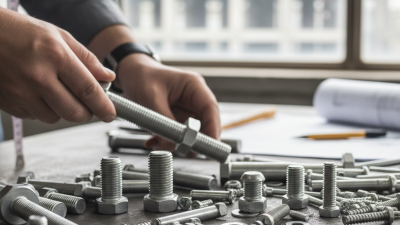
Choosing the right Stainless Steel Fasteners in 2026 requires more than comparing prices or polished product photos. Buyers must match the fastener’s grade, strength, thread design, and finish with its working environment. A screw used beside a swimming pool faces different risks from one installed inside dry machinery.
Small details matter.
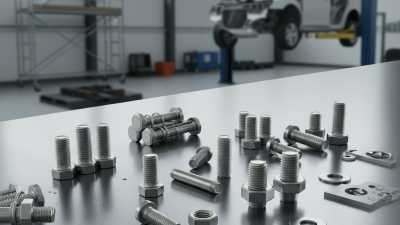
This guide examines common types, including hex bolts, socket head cap screws, machine screws, self-tapping screws, nuts, washers, and threaded rods. It also considers popular stainless steel grades, such as 304 and 316. Grade 316 generally offers stronger resistance to chlorides, salt spray, and coastal moisture, while 304 remains a practical choice for many indoor and light outdoor applications. These differences affect service life, maintenance, and total purchasing cost.
The recommendations will follow practical installation experience and recognized technical considerations. Thread engagement, torque control, galling prevention, load direction, and washer selection all deserve attention. Product documentation should identify material grade, dimensions, applicable standards, and test information. Certifications can help, but they should not replace careful inspection or supplier verification.
There is no universal best fastener.
Even experienced buyers can overlook mixed-metal corrosion or choose a finish that suits appearance but not exposure. I have found that real job conditions often challenge catalog assumptions. Temperature changes, vibration, trapped water, and repeated servicing may alter the ideal choice. This article therefore compares each fastener type honestly, including its limitations, typical uses, buying considerations, and potential installation mistakes. That approach should help contractors, engineers, maintenance teams, and informed homeowners make safer, more durable decisions in 2026.
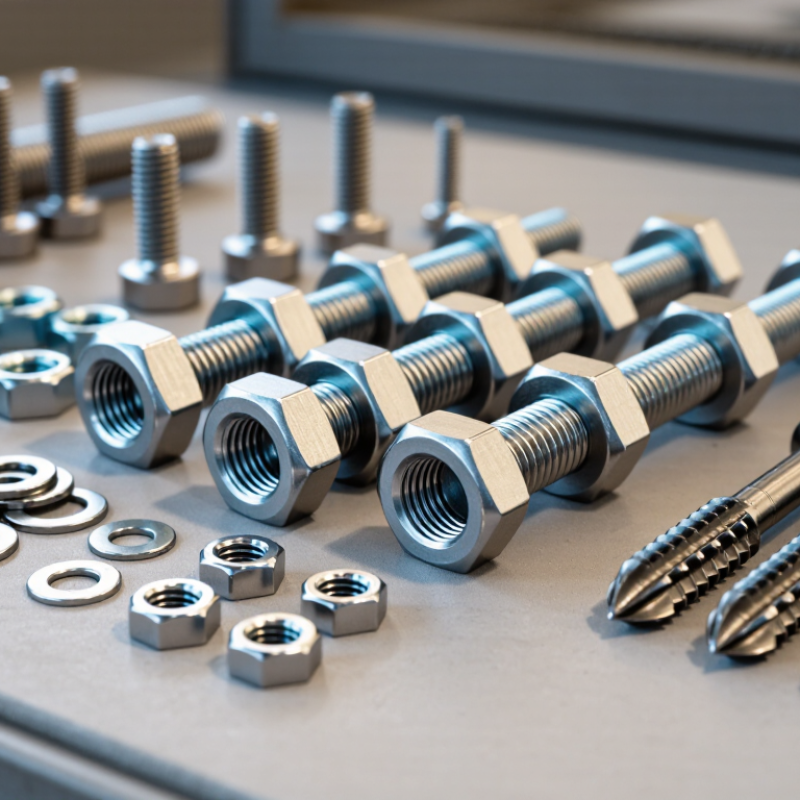
Stainless steel fasteners are bolts, nuts, screws, washers, and studs made with corrosion-resistant steel alloys. Their chromium content forms a thin protective oxide layer when exposed to air. This layer can repair itself after minor surface damage. However, stainless steel is not corrosion-proof. Salt, trapped moisture, and chemical contamination can still cause staining or pitting.
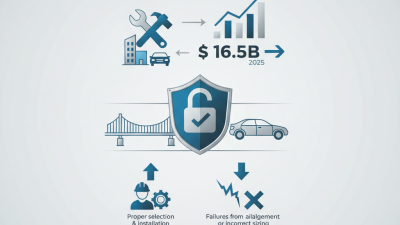
The market is substantial. The International Stainless Steel Forum reported 58.4 million tonnes of global stainless steel production in 2023. USGS mineral data also identifies stainless and heat-resistant steel as major chromium applications. These figures explain why stainless fasteners remain common in construction, food equipment, marine fixtures, and outdoor structures. Grade 304 suits many indoor and general-purpose applications. Grade 316 offers better resistance in coastal or chloride-rich environments because it contains molybdenum. Grade 410 provides higher hardness, while 430 is often selected for moderate corrosion resistance and lower cost. It is not always the best choice.
Selection should match the fastener to the environment, load, and installation method. ISO 3506 defines mechanical property requirements for corrosion-resistant stainless fasteners. ASTM specifications can also guide dimensions, strength, and material verification. In practical inspections, mismatched metals often create galvanic corrosion around washers and threads. Clean tools matter too. Carbon-steel debris can leave rust marks on stainless surfaces. A careful buyer checks the grade marking, strength class, thread type, and certificate before purchase. The cheapest option may become expensive after replacement.
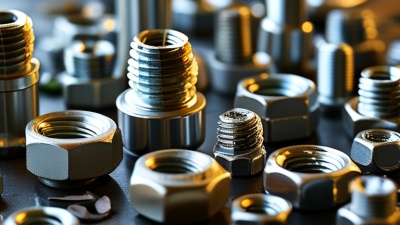
Stainless steel fasteners are corrosion-resistant hardware used to join, secure, or support components in construction, manufacturing, marine, food-processing, and outdoor applications.
Used for removable joints in machinery, structures, equipment, and general maintenance.
Paired with bolts or threaded studs to distribute load, improve clamping, and protect joined surfaces.
Suitable for suspended systems, pipe supports, framing, and applications requiring adjustable connections.
Designed for masonry, concrete, panels, and environments where corrosion resistance and reliable fastening are important.
The chart shows nominal minimum tensile strengths associated with commonly specified stainless steel fastener property classes under ISO 3506-1. A4 grades are generally selected for more demanding corrosive environments, while the final choice should also consider load, temperature, installation method, and exposure conditions.
In 2026, stainless steel fasteners will remain available in several practical forms. Common choices include hex bolts, socket screws, machine screws, nuts, washers, threaded rods, rivets, and concrete anchors. The key difference is usually the steel grade. A2 stainless steel, generally comparable to 304, suits indoor equipment, furniture, and ordinary outdoor projects. A4, commonly comparable to 316, offers better resistance around saltwater and chemical exposure.
Higher-performance options also exist. 410 stainless steel provides greater hardness but lower corrosion resistance than austenitic grades. Precipitation-hardening stainless steel can deliver high strength for demanding machinery. Duplex stainless steel offers a useful balance between strength and corrosion resistance, although it often costs more and requires careful specification. The International Stainless Steel Forum reported global stainless crude steel production at about 58.4 million tonnes in 2023. That volume supports broad material availability, but not every grade is stocked locally. ASTM and ISO standards still matter more than a seller’s short product description.
Tips: Match the fastener to the environment, load, and installation method. Check the complete grade, mechanical class, thread tolerance, and coating details. Do not mix stainless fasteners with incompatible metals without reviewing galvanic corrosion risks. A4 is not invincible. In chloride-heavy locations, even it can stain or pit. One practical mistake is choosing a stronger screw while ignoring the nut, washer, or base material. The assembly may fail first.
2026 Top Types of Stainless Steel Fasteners to Buy?
How Do Stainless Steel Grades Affect Fastener Performance?
Stainless steel grade directly influences corrosion resistance, tensile strength, galling risk, and service life. ISO 3506-1:2020 separates material grade from strength class. An A2-70 fastener requires at least 700 MPa tensile strength. An A4-80 fastener requires at least 800 MPa. That distinction matters. A4 does not automatically mean stronger.
A2 stainless steel, commonly associated with 304 chemistry, suits indoor equipment, dry façades, and ordinary atmospheric exposure. A4, commonly linked with 316 chemistry, contains molybdenum. ASTM F593 chemical limits place molybdenum around 2–3% in typical 316-type alloys. This addition improves resistance to pitting in chloride environments, including coastal air, pool rooms, and road-salt splash zones. The Nickel Institute’s corrosion guidance warns that concentration, temperature, crevices, and deposits can change results. No grade is invincible.
I would not choose A4-80 from a catalog line alone. Check washer compatibility, thread lubrication, tightening torque, and contact with aluminum or carbon steel. British Stainless Steel Association guidance identifies galling as a common installation risk, especially with dry threads. That detail is easy to miss. Salt-spray hours also need caution. ISO 9227 compares test resistance, but cannot predict every outdoor service life. In one project, overspecifying the grade increased cost while poor drainage caused failure. The lesson is uncomfortable: design details can defeat good steel.
| Stainless Steel Grade | Common Fastener Designation | Typical Minimum Tensile Strength | Magnetic Behavior | Corrosion Resistance | Main Performance Benefits | Recommended Applications | Buying Considerations |
|---|---|---|---|---|---|---|---|
| 304 Stainless Steel | A2; commonly specified as A2-50 or A2-70 under ISO 3506 | 500 MPa for A2-50; 700 MPa for A2-70 | Generally non-magnetic when annealed; cold working may create slight magnetism | Good resistance to atmospheric moisture, fresh water, and many mildly corrosive environments | Good balance of strength, availability, formability, and cost | Indoor equipment, general construction, machinery, food-processing areas, and outdoor assemblies with limited salt exposure | Not the preferred choice for frequent salt spray, seawater, or high-chloride chemical exposure |
| 316 Stainless Steel | A4; commonly specified as A4-70 or A4-80 under ISO 3506 | 700 MPa for A4-70; 800 MPa for A4-80 | Generally non-magnetic when annealed; cold working can produce slight magnetism | Higher resistance than 304 to chlorides, marine air, and many industrial chemicals because of molybdenum | Strong corrosion performance with widely available strength classes | Coastal structures, marine hardware, wastewater equipment, chemical-processing areas, and outdoor assemblies exposed to salt | Costs more than 304; proper cleaning and isolation are still required in severe chloride environments |
| 316L Stainless Steel | Low-carbon 316; designation depends on the selected fastener standard | Depends on the product standard and property class; commonly selected in A4 strength classes | Generally non-magnetic when annealed; cold forming may create slight magnetism | Similar basic corrosion resistance to 316, with improved resistance to sensitization after welding | Lower carbon content helps reduce weld-related intergranular corrosion risk | Welded frames, fabricated tanks, piping supports, architectural assemblies, and hygienic equipment | Confirm that the fastener is actually certified to the required strength class; “L” describes carbon content, not automatically higher strength |
| Duplex 2205 | Duplex stainless fastener; designation varies by standard and product specification | Typically at least about 800 MPa for many high-strength fastener specifications | Magnetic because it contains a ferritic phase | Very high resistance to chloride stress-corrosion cracking and pitting compared with common 300-series grades | High strength combined with strong resistance to demanding chloride environments | Offshore structures, desalination equipment, chemical facilities, pressure equipment, and heavy industrial assemblies | Higher cost; verify compatibility with the mating material and use the exact required duplex fastener specification |
| 410 Stainless Steel | Martensitic stainless fastener; commonly supplied to a product-specific heat-treated specification | Approximately 700–1,000 MPa, depending on heat treatment and specification | Magnetic | Moderate; lower than 304 and 316 in wet, chloride-rich, or marine conditions | Can be heat treated for higher hardness, wear resistance, and strength | High-strength machine screws, shafts, valves, pumps, and components exposed to wear rather than severe corrosion | Avoid for continuous seawater or heavy salt exposure unless engineering data confirms suitability |
| 430 Stainless Steel | Ferritic stainless fastener; grade and strength depend on the specific product standard | Typically lower than heat-treated 410 and high-strength A2/A4 fasteners | Magnetic | Moderate resistance in dry or mildly corrosive indoor environments | Good magnetic response, reasonable oxidation resistance, and lower material cost | Indoor appliance components, decorative hardware, dry equipment, and low-corrosion applications | Not a first choice for marine, coastal, or persistently wet assemblies |
| 304L Stainless Steel | Low-carbon 304; designation depends on the selected fastener standard | Depends on the product standard and property class; commonly selected in A2 strength classes | Generally non-magnetic when annealed; cold working may create slight magnetism | Comparable to 304 in general corrosion resistance | Reduced carbon content helps limit weld-related intergranular corrosion risk | Welded frames, food-processing equipment, architectural work, and general fabricated assemblies | Choose according to the certified mechanical class; low carbon does not by itself indicate greater tensile strength |
Choosing stainless steel fasteners starts with the application, not the appearance.
A bright bolt can still fail in salt air, chemical washdown, or heavy vibration. For indoor furniture, machinery covers, and general assembly, 304 stainless steel bolts, nuts, screws, and washers often provide balanced corrosion resistance and strength. Marine areas, coastal structures, and frequent cleaning usually need 316 stainless steel. Its added molybdenum improves resistance to chloride corrosion.
Match the fastener type to the joint.
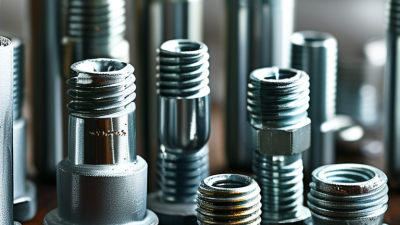
Hex bolts work well with accessible holes and controlled clamping force. Machine screws suit threaded holes, while self-tapping screws help when no internal thread exists. Use washers when the material is soft, thin, or likely to deform.
Threaded rods are useful for suspended equipment and adjustable supports.
Check the required load, thread size, length, and head clearance before ordering.
Small errors matter.
Material compatibility also deserves attention.
Stainless fasteners connected to aluminum can create galvanic corrosion when moisture remains trapped. Insulating washers or suitable coatings may reduce this risk. Avoid mixing unknown grades. It complicates inspection.
Tighten according to the fastener’s grade and size, because stainless threads can gall during installation. Slow speed, clean threads, and proper lubrication help. However, lubrication changes torque results, so torque guidance must reflect that condition.
A perfect selection on paper may still fail if the joint design, surface drainage, or installation method is ignored.
2026 Top Types of Stainless Steel Fasteners to Buy
Buyers should check the application before choosing fastener types. Common options include 304 and 316 bolts, nuts, screws, and washers. Grade 304 suits indoor areas and mild outdoor exposure. Grade 316 offers better resistance near saltwater and chemical moisture. The 410 grade provides higher hardness, but less corrosion resistance.
World Stainless reported 58.4 million tonnes of crude stainless steel production in 2023. This scale supports wide availability, but it also increases the risk of mixed grades and unclear supply chains. Ask for the material certificate, heat number, mechanical properties, and dimensional inspection records. Confirm thread size, pitch, tensile strength, hardness, and surface treatment. ASTM F593 and ASTM F594 provide useful references for stainless steel bolts, screws, and nuts. ISO 3506 also defines mechanical properties for corrosion-resistant fasteners.
Tips: Match the fastener to the environment, not only the price. Check whether salt spray, heat, vibration, or chemical exposure is present. Avoid mixing stainless steel with incompatible metals without reviewing galvanic corrosion risks. Use suitable anti-seize compounds, because stainless threads can gall during tightening. A torque value from a general chart may not fit every coating or lubricant. That detail is easy to miss. Suppliers should provide batch traceability and clear test documentation. A polished surface can look reliable, yet appearance alone proves very little.