Company News

2026 Top Stainless Steel Fastener Types Buyers Need?

The 2026 Top Stainless Steel Fastener Types Buyers Need? This question deserves more than a simple product list. Stainless steel fasteners support bridges, food-processing equipment, solar frames, marine assemblies, and precision machinery. Their small size can hide major performance risks.

Mars G. Fontana, a respected corrosion engineering authority, wrote, “Corrosion is the deterioration of a material, usually a metal, by chemical or electrochemical reaction with its environment.” That warning remains practical for buyers today. Choosing 304 or 316 stainless steel depends on moisture, chlorides, temperature, and cleaning chemicals. A bright finish does not guarantee long service life. It may only look reassuring.

This guide examines bolts, screws, nuts, washers, threaded rods, and specialized Stainless Steel Fasteners for demanding applications. It considers A2 and A4 classifications, mechanical strength, thread compatibility, galling risks, passivation, and traceable quality records. Buyers should also check applicable ASTM, ISO, or industry specifications before placing orders. Supplier experience matters. So does batch documentation.

The difficult part is that no material grade solves every installation problem. Even 316 can suffer in concentrated chloride environments. Incorrect torque can damage threads or weaken an otherwise suitable joint. That detail is easy to overlook. We will also question common buying habits, including choosing by price, appearance, or habit alone. A reliable decision begins with the actual environment, load, installation method, and expected maintenance schedule.

2026 Top Stainless Steel Fastener Types Buyers Need?

Stainless Steel Fastener Basics and Material Grades

Stainless steel fasteners are not a universal product. Their material grade affects corrosion resistance, strength, magnetism, and service life. During buyer inspections, I check the grade before reviewing the price. Grade 304 suits many indoor, architectural, and low-salt environments. Grade 316 contains molybdenum, which improves resistance to chlorides and coastal exposure. A small difference in chemistry can matter greatly near seawater. Yet grade alone does not guarantee performance.

Common fastener forms include bolts, screws, nuts, and washers. Austenitic grades, such as 304 and 316, are widely used and usually nonmagnetic. Cold working can create slight magnetism, however. These grades may also suffer from thread galling during installation. Clean threads, suitable lubricant, and controlled torque reduce this risk. Grade 410 offers higher hardness and strength, but it has lower corrosion resistance. Grade 430 resists ordinary indoor corrosion and is magnetic, but it needs careful exposure limits.

Reliable purchasing requires more than reading “stainless steel” on a quotation. Match the grade with load, temperature, chemicals, moisture, and installation conditions. Check thread accuracy, dimensions, surface condition, and material certificates. ISO 3506 or relevant ASTM specifications can support verification. Passivation may improve the surface, but it cannot repair poor design or contamination. I have seen buyers assume stainless steel is maintenance-free. That assumption deserves reconsideration. Salt deposits, carbon-steel contact, and trapped moisture still require inspection.

How to Choose Fastener Types for Different Applications

2026 Top Stainless Steel Fastener Types Buyers Need?

Choosing a fastener starts with the application, not the catalog photo. For dry indoor assembly, A2 stainless fasteners usually provide practical corrosion resistance and clean installation. ISO 3506-1:2020 classifies stainless steel fasteners by material group and mechanical properties, helping buyers compare grades consistently. Still, “stainless” is not one universal solution.

For coastal structures, food-processing areas, and equipment exposed to chlorides, A4 fasteners deserve closer attention. Their molybdenum content generally improves resistance to localized corrosion. The NACE IMPACT study estimated global corrosion costs at 3.4% of worldwide GDP, or about 2.5 trillion dollars annually. That figure makes material selection an engineering decision, not a cosmetic preference. World Stainless reported approximately 58.4 million tonnes of stainless steel production in 2023, showing the material’s broad industrial importance. However, high demand does not remove installation risks.

Watch for galling.

Use controlled tightening, clean threads, and suitable lubrication where permitted. For heavily loaded joints, check tensile strength, preload, temperature, vibration, and joint movement together. Duplex stainless fasteners can offer higher strength and better chloride resistance, but they may cost more and require tighter specification control. I have seen bright hardware selected for outdoor use, only to show staining around the threads months later. That choice looked reasonable. It was not fully examined. Also check galvanic compatibility with aluminum or carbon steel, because the surrounding assembly can undermine an otherwise suitable fastener.

2026 Top Stainless Steel Fastener Types Buyers Need? - How to Choose Fastener Types for Different Applications

Fastener Type Common Stainless Steel Grades Best-Fit Applications Key Selection Advantages Corrosion Resistance Strength and Temperature Considerations Recommended Mating or Installation Notes Common Standards
Hex Head Bolts 304 / 316
Duplex 2205 for higher strength
Structural frames, machinery, pipe supports, outdoor equipment and general assembly Easy wrench access, broad size availability and suitable for through-bolted joints High to very high 316 is preferred for marine or chloride exposure. Duplex 2205 provides higher strength than common austenitic grades. Use a compatible nut and washer. Apply controlled torque and consider anti-seize to reduce galling. ISO 4014, ISO 4017, ASTM F593
Hex Socket Head Cap Screws 304 / 316
17-4 PH for high-strength designs
Compact machinery, automation equipment, tooling, robotics and assemblies with limited side clearance High head strength and internal hex drive allow installation in confined spaces High to very high 17-4 PH offers substantially higher strength but generally less corrosion resistance than 316 in severe chloride environments. Use a properly fitting hex key. Avoid excessive tightening, especially with softer 304 or 316 screws. ISO 4762, ASTM F837
Stainless Steel Studs 304 / 316
Duplex 2205 for demanding service
Flanges, pressure equipment, engine components, heat exchangers and maintenance-friendly joints Provides repeatable engagement and reduces wear on threaded holes during repeated disassembly High to very high Confirm the design temperature, preload and applicable pressure-vessel requirements before selection. Match the stud, nut and washer materials. Check thread engagement and flange compatibility. ASTM F593, ASME B18.31.2
Machine Screws 304 / 316 Electrical enclosures, control panels, appliances, light machinery and sheet-metal assemblies Available with pan, flat, oval or truss heads for different clearance and appearance requirements High Suitable for light-to-moderate clamping loads. Do not substitute for structural bolts without engineering verification. Use with a tapped hole or a matching nut. Select a drive style that supports the required installation torque. ISO 7045, ISO 7046, ASME B18.6.3
Self-Drilling Screws 410 stainless steel
304 for selected corrosion-focused uses
Roofing, cladding, HVAC ductwork and thin-gauge metal-to-metal fastening Drill point and thread-forming design can reduce pre-drilling and installation time Moderate to high 410 provides better hardness and drilling capability than 304 or 316, but lower general corrosion resistance. Verify sheet thickness, drill-point capacity and driver speed. Isolate dissimilar metals where galvanic corrosion is possible. SAE J78, ASME B18.6.4
Self-Tapping Screws 410 / 304 / 316 Plastic, sheet metal, electrical hardware, signage and light-duty equipment Forms or cuts mating threads during installation, reducing the need for a pre-tapped hole Moderate to very high Choose 410 when thread-forming hardness is critical; choose 316 when exposure to chlorides is the primary concern. Use the correct pilot-hole diameter and limit installation torque to prevent thread stripping. ASME B18.6.4, ISO 1478
Carriage Bolts 304 / 316 Wood-to-metal connections, walkways, fencing, outdoor furniture and equipment panels Domed head improves appearance and the square neck helps resist rotation during tightening High to very high 316 is recommended for coastal, marine and de-icing salt environments. Confirm bearing capacity in soft materials. Use a flat washer and compatible nut. Ensure the square neck is fully seated before applying final torque. ISO 8677, ASME B18.5
U-Bolts 304 / 316 Pipe and tube supports, cable management, vehicle components and outdoor mechanical systems Clamps round or square sections without requiring a drilled through-hole High to very high Account for bending stress, vibration, temperature cycling and potential reduction in load capacity at the bend. Use properly sized plates and nuts. Avoid over-tightening, which can deform tubing or reduce clamp performance. ASME B18.31.5, ASTM F593
Flange Bolts 304 / 316
Duplex 2205 for elevated loads
Automotive assemblies, pumps, piping, machinery bases and joints where load distribution is important Integral flange spreads clamping force and can reduce the need for a separate washer High to very high Check the flange bearing area and tightening method. Stainless steel strength varies by product specification and diameter. Use matching flange nuts where specified. Avoid mixing finishes or materials that may increase galling. ISO 4162, ISO 10642, ASTM F593
Wing Screws 304 / 316 Tool-less covers, inspection panels, laboratory equipment and frequently adjusted fixtures Can be tightened and released manually without a wrench High to very high Intended for low-to-moderate clamping loads rather than high-preload structural joints. Use where frequent access is required. Do not rely on hand-tightening for pressure-retaining or vibration-critical joints. DIN 316, DIN 464
Nylon-Insert Lock Nuts 304 / 316 Vibration-prone machinery, electrical cabinets, general equipment and vehicle assemblies Provides prevailing torque through a non-metallic insert High to very high The nylon insert limits service temperature; verify the supplier's temperature rating before use. Not normally suitable for repeated reuse or high-temperature zones. Use with compatible stainless bolts. ISO 7040, ASTM F594
All-Metal Lock Nuts 304 / 316
17-4 PH for selected high-strength systems
High-temperature equipment, exhaust systems, industrial machinery and vibration-resistant joints Maintains locking function at temperatures where nylon inserts may soften or degrade High to very high Check the applicable temperature range, prevailing torque and strength class; locking action can affect torque-tension results. Use the specified installation direction and verify reuse requirements. Do not assume standard torque values apply. ISO 7042, ISO 7719, ASTM F594
Flat Washers 304 / 316 Bolted joints on metal, composite, timber and coated surfaces Distributes load, protects the joint surface and helps reduce embedment in softer materials High to very high Washer hardness, thickness and outside diameter must be adequate for the joint load and bearing surface. Match the washer material to the fastener where practical. Use enlarged washers for slots or soft substrates. ISO 7089, ISO 7093
Sealing Washers 304 / 316 with EPDM or other sealing element Roofing, exterior enclosures, water-management panels and low-pressure weather sealing Combines mechanical clamping with a seal against water and contaminants High to very high Seal performance depends on elastomer compatibility, temperature, UV exposure and compression control. Select the seal material for the media and temperature. Do not over-compress the sealing element. EN 1024, application-specific roofing standards
Buyer selection note: Choose the fastener by considering joint load, corrosion environment, temperature, vibration, installation access, mating-material compatibility and the applicable product standard. “304” and “316” are material grades; actual mechanical properties depend on the fastener product, diameter, manufacturing condition and governing specification. Stainless steel threads can gall, so controlled installation torque and a suitable anti-seize compound may be required.

Top Stainless Steel Bolt, Screw, Nut, and Washer Options in 2026

In 2026, stainless steel fastener buyers are choosing parts by environment, load, and installation method. Material selection still matters more than appearance. Grade 304 suits general indoor and outdoor applications, including machinery, cabinets, and light construction. Grade 316 performs better near saltwater, chemicals, and persistent moisture. For higher loads, duplex stainless steel may offer greater strength, but compatibility must be checked carefully.

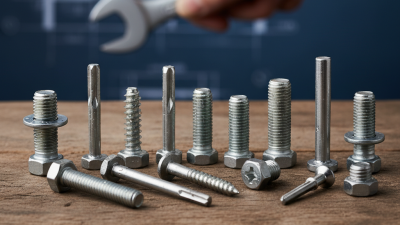
Hex bolts remain practical for structural assemblies and equipment frames. Socket head bolts work well where access is limited. Flange bolts spread pressure across the joint. Machine screws fit tapped holes, while self-drilling screws reduce preparation time on thin sheet metal. The wrong point design can damage the panel. Small details matter.

Hex nuts are reliable for regular bolted joints. Nylon-insert lock nuts help resist vibration, although heat can limit their use. Flange nuts reduce the need for separate washers. Flat washers protect soft surfaces and distribute clamping force. Spring washers may not solve every loosening problem, despite their common use. In many cases, a prevailing-torque nut or correctly applied thread-locking method deserves closer consideration.

Stainless steel can gall during tightening. Use clean threads, moderate speed, and suitable anti-seize compound when permitted. Do not mix metals casually; galvanic corrosion may appear around wet joints. ISO 3506 and relevant ASTM specifications help verify mechanical and chemical requirements. A perfect choice rarely exists. Trial fitting and torque checks remain worthwhile, especially when drawings leave practical questions unanswered.

Key Performance Factors: Strength, Corrosion, and Temperature Resistance

Stainless steel fasteners are selected by more than appearance. In field inspections, a bright bolt has sometimes failed because its grade was never verified. Buyers should match fastener strength with the joint load, thread size, and tightening method. Austenitic grades suit many general applications, while higher-strength stainless options serve demanding structural connections. However, strength can vary with diameter, forming process, and cold working. Check mechanical test certificates before ordering large quantities.

Corrosion resistance depends on the environment, not the label alone. Grade 316 usually performs better than 304 near seawater, salt spray, and chloride exposure. Still, crevices beneath washers can trap moisture and cause localized corrosion. Mixed metals may also create galvanic problems. Use compatible washers, clean contact surfaces, and suitable anti-seize compounds. A perfect-looking bolt can still be wrong.

Temperature resistance needs equal attention. Austenitic stainless fasteners retain useful toughness at low temperatures, but heat reduces their load-carrying capacity. Repeated heating and cooling may loosen joints because stainless steel expands differently from surrounding materials. For hot equipment, review the actual service temperature, preload loss, and oxidation risk. Do not rely on a generic temperature chart. That assumption needs checking. A small test assembly can reveal thread galling, clamp loss, or unexpected distortion before production installation.

2026 Buying Checklist for Quality, Standards, and Total Cost

2026 Top Stainless Steel Fastener Types Buyers Need?

2026 Buying Checklist for Quality, Standards, and Total Cost

Choosing stainless steel fasteners starts with the joint, not the catalog. Hex bolts suit structural assemblies, while socket screws fit compact equipment. Machine screws work well with tapped holes. Nuts and washers must match the thread system and load path. For wet or coastal areas, compare 304 and 316 stainless carefully. Higher corrosion resistance does not fix poor installation. Confirm diameter, pitch, length, head style, and required quantity before requesting prices. Small errors here can delay an entire assembly.

Ask for material certificates, production-lot traceability, and dimensional inspection records. ISO 3506 may define stainless fastener property classes. ASTM F593 and F594 can apply to certain stainless bolts and nuts. Check the exact scope before accepting a certificate. Thread gauges should verify fit, not only visual inspection. Review hardness, tensile results, surface condition, and passivation requirements. Clean threads matter. They affect torque and clamping force.

Total cost includes freight, packaging, inspection, rejected parts, and installation time. A low unit price can hide expensive sorting work. Calculate the delivered cost per usable fastener. Specify thread tolerances and packaging that prevents mixed sizes. For critical joints, request sample testing before full production. I have seen buyers over-specify corrosion resistance and under-specify thread accuracy. That mistake deserves a second review. Also question unusually short lead times; quality records may be incomplete. Keep every revision, certificate, and approval linked to its purchase lot.