How to Use Snap Buttons for Easy Clothing Repairs?
In the world of clothing repairs, snap buttons have become a popular, practical solution. Clothing expert Jane Smith emphasizes, “Snap buttons can transform a wardrobe.” They are easy to use and versatile. Whether on jackets or dresses, snap buttons serve a vital role in everyday fashion.
Many people overlook the value of snap buttons. However, they can dissolve clothing frustrations within minutes. No need for extensive sewing skills. Just a simple press, and you’re ready to go. Often, we forget how these tiny fasteners can impact our daily routines.
It’s crucial to recognize the imperfections in our repair methods. Not every snap button adheres perfectly. Sometimes, they don’t align as expected. This inconsistency invites reflection on our techniques. Choosing the right tools and materials is essential for success. Snap buttons offer a fantastic option for quick fixes, yet they require practice and patience to master.
Understanding Snap Buttons: Types and Specifications
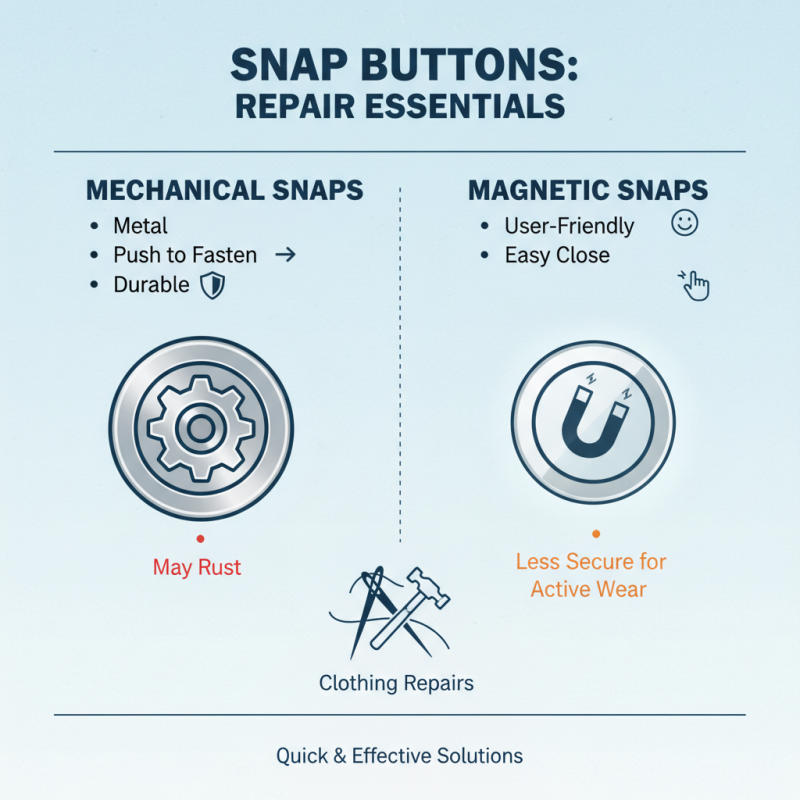
Snap buttons have become essential for many clothing repairs, offering quick and effective solutions. Understanding the different types of snap buttons can greatly enhance your repair skills. There are two main categories: mechanical snaps and magnetic snaps. Mechanical snaps are typically made from metal and require a simple push to fasten. They are durable, but sometimes they might rust. Magnetic snaps, while user-friendly, may not hold as firmly over time, especially in active wear.
In a 2023 industry report, it was revealed that over 30% of clothing damages involve fasteners like snaps. This statistic highlights the importance of understanding specifications and types. When selecting snap buttons, consider factors such as material, closure type, and intended use. For instance, nylon snaps are lightweight and often used for children’s clothing. However, they may not withstand heavy wear. On the other hand, metal snaps are robust but can feel harsh against delicate fabrics.
Another crucial consideration is the size of the snap. A wrong size can lead to ineffective repairs. Often, people underestimate this aspect. It’s essential to match the snap size with the fabric thickness for optimal results. While it’s common to rush into repairs, taking a moment to assess these specifications can lead to more enduring fixes. Remember, not all snaps are created equal; some may fail to meet your expectations.
Tools Required for Snap Button Installation and Repair
When it comes to snap button installation and repair, having the right tools is crucial. Start with a sturdy pair of pliers. They help in crimping the snap securely. A small hammer can be useful too. It gives the snaps a solid hit without damaging the fabric. You will also need a fabric cutter or scissors for removing any old or damaged snaps. This ensures a clean surface to work with.
Don’t forget to have a ruler or measuring tape handy. Accurate measurements prevent mishaps. A marking pen can help. It allows you to mark where the snaps go. This step may seem trivial, but uneven placements can lead to frustration later. Some may overlook this, and it often results in an unbalanced look. Lastly, a needle and thread can fix any loose parts during the process. Though not strictly necessary for snap installation, it’s a good backup. A quality thread can make your repairs last longer. Investing time in gathering these tools will pay off when faced with broken snaps.
Usage of Snap Buttons in Clothing Repairs
Step-by-Step Guide to Attaching Snap Buttons on Fabric
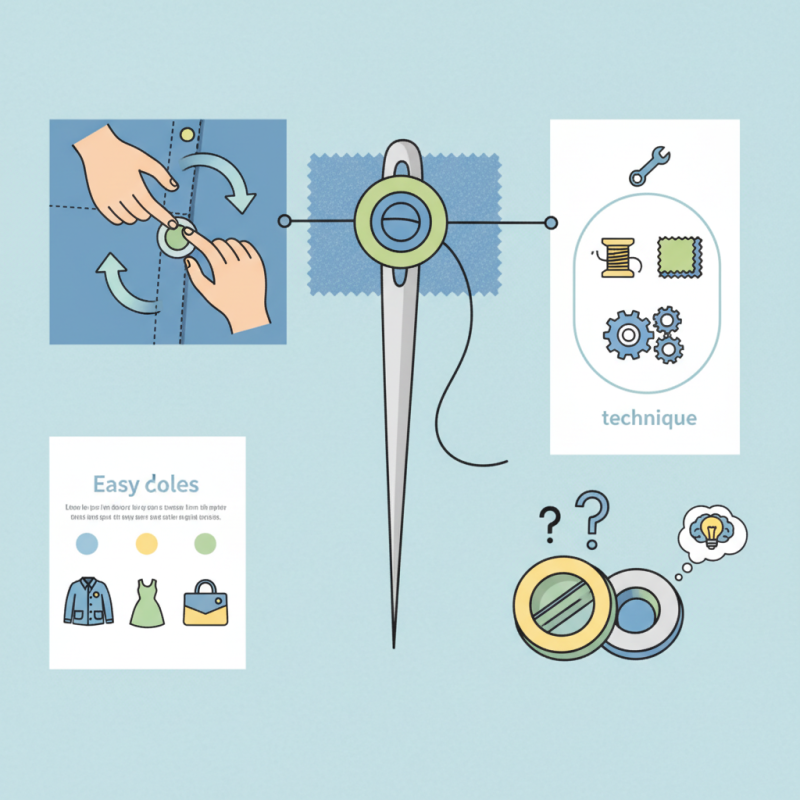
Attaching snap buttons is a useful skill for simple clothing repairs. Begin by gathering your materials: snap buttons, fabric, needle, and thread. You want to choose a needle suitable for your fabric type. That way, you avoid tearing or damaging the material.
Start by marking the desired location for the snap on your fabric. Use a fabric pen for clear visibility. Next, create a small hole with scissors or a seam ripper. Be careful not to make it too large; otherwise, the snap won't fit correctly. Position the snap button and stitch it securely in place. Multiple stitches may help strengthen the hold.
After attaching the snap, test its functionality. Does it hold firm? If not, reassess your stitching. You might need to reinforce it or try a different placement. Each attempt can teach you something. Sometimes, the button placement might feel off, and that’s okay. Reflection helps improve your skills for future repairs.
How to Use Snap Buttons for Easy Clothing Repairs? - Step-by-Step Guide to Attaching Snap Buttons on Fabric
| Step |
Description |
Tools Needed |
Tips |
| 1 |
Choose the right snap button for your fabric type. |
Snap buttons, fabric scissors |
Ensure the button style matches your clothing. |
| 2 |
Mark the placement of the snap buttons on the fabric. |
Tailor's chalk, measuring tape |
Double-check measurements for symmetry. |
| 3 |
Prepare the fabric by making small slits where the buttons will go. |
Fabric scissors |
Avoid cutting too much fabric. |
| 4 |
Attach the snap buttons using a hand needle and thread or a snap button tool. |
Needle, thread, snap button tool |
Ensure the buttons are securely attached. |
| 5 |
Test the snap button functionality to ensure they work smoothly. |
None |
Make adjustments if necessary. |
Common Issues in Snap Button Repairs and Solutions
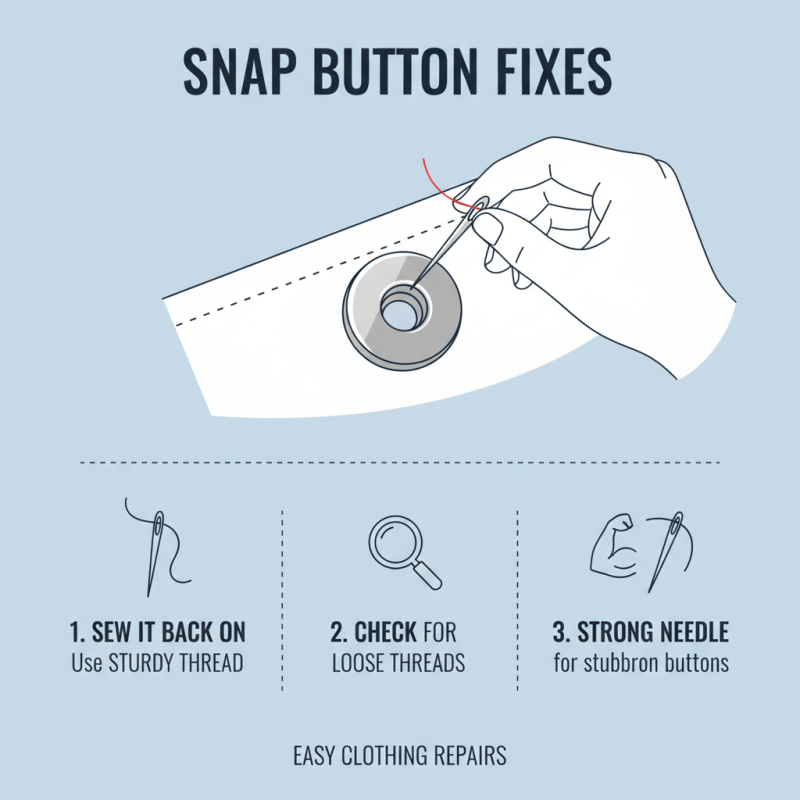
Snap buttons often malfunction, leading to frustrating clothing repairs. One common issue is the snap button coming off entirely. This can happen due to wear and tear or a poorly sewn attachment. An easy fix is to sew it back in place, ensuring you use sturdy thread. Double-check for any loose threads around the area. Sometimes, it may require a stronger needle or a specific technique for that stubborn button.
Another problem arises when the snap doesn’t close properly. Dirt or fabric snagging inside can cause a malfunction. It helps to clean the area around the snap thoroughly. If the snap is bent, gently reshaping it might solve the issue. Pay attention to the tension; a snap that is too tight can break. You may need to experiment a bit with the pressure as you snap it closed.
Lastly, mismatched snaps can be aesthetically displeasing. If you find a button that doesn’t match your fabric, consider replacing all snaps. This creates a uniform look. Sometimes, the new snaps may not fit perfectly. It’s essential to gauge the size carefully before purchasing replacements. Taking time to assess these minor details can lead to a more polished finish on your clothing repairs.
Maintenance Tips for Long-Lasting Snap Buttons in Clothing
Maintaining snap buttons is essential for the longevity of clothing. Regular inspections can help identify any issues early. Check if any buttons are loose or damaged before wearing. Tightening loose snaps is a simple task but often overlooked. Use a small screwdriver to adjust them. Consider using pliers for stubborn snaps, but be cautious not to break them.
Cleaning snap buttons is equally important. Dust and dirt can accumulate, making them harder to use. A soft cloth or toothbrush can help in removing debris. If your buttons have tarnished, try polishing them with a mild cleaner. However, avoid harsh chemicals, as they can cause further damage. Remember, preventative care is more effective than reactive measures.
Sometimes, snap buttons fail unexpectedly. It's frustrating when a button pops off during an event. Keeping extra snaps on hand can save the day. Reflect on how often you repair or replace them. It may surprise you. A few minutes spent on maintenance can prevent bigger issues later.