Top Coach Screws for 2026 What Buyers Need to Know?
In the world of construction and DIY projects, coach screws play a vital role. With a growing market projected to reach $1.5 billion by 2026, their importance cannot be overstated. According to industry expert John Davis, "The right coach screws make all the difference in structural integrity." Buyers need to be aware of the various types and materials available, as quality can vary significantly.
The demand for durable and reliable coach screws has heightened, especially in sectors like construction and woodworking. A recent report shows that 65% of professionals prioritize screw strength and longevity. This indicates the necessity for informed purchasing decisions. Some buyers might overlook essential details, leading to questionable choices. It's crucial to consider the specific requirements of each project rather than relying on generic solutions.
Understanding the nuances of coach screws helps in making better selections. However, many consumers still grapple with choosing the right type for their needs. Check the specifications and ensure they match your project requirements. The complexity in the industry sends a clear message: informed choices are paramount for lasting results.
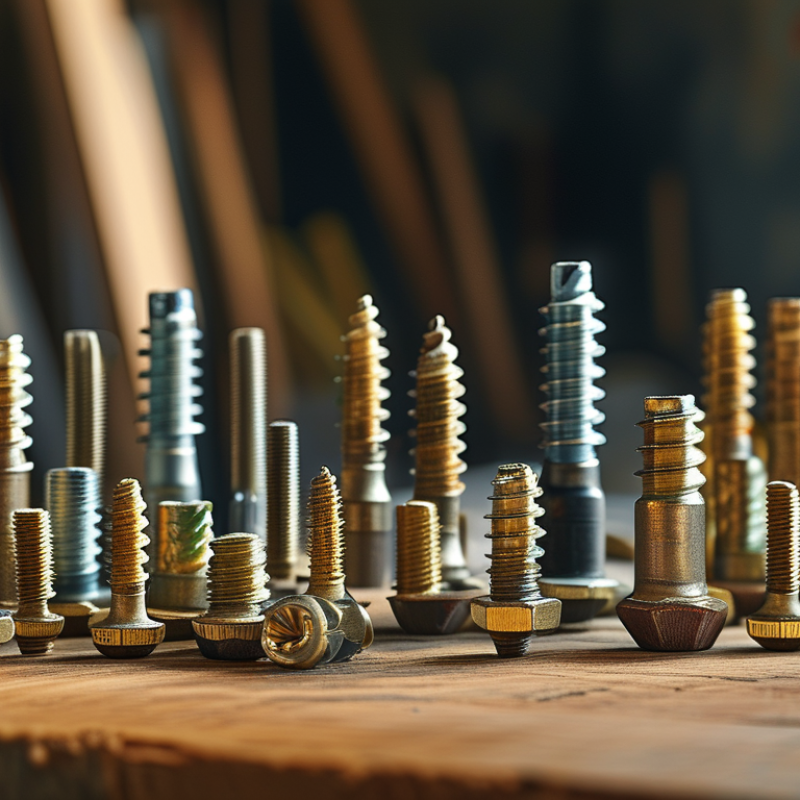
Understanding the Basics of Coach Screws: Definition and Types
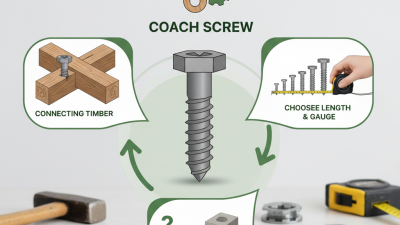
Coach screws play a pivotal role in various construction projects. They are large screws designed for heavy-duty use, featuring a sharp tip for easy penetration. Understanding their types can significantly enhance your buying decision and project efficiency.
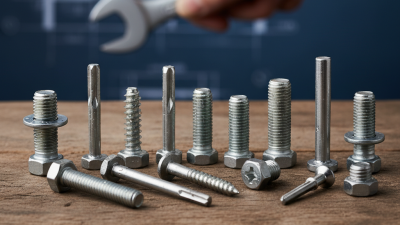
There are generally two main types of coach screws: hexagonal and square. Hexagonal screws are often easier to handle and provide a better grip when using a wrench. Square screws, on the other hand, offer improved torque transfer and reduce the risk of cam-out. Each type brings unique benefits, making it essential to choose according to your project's specific needs.
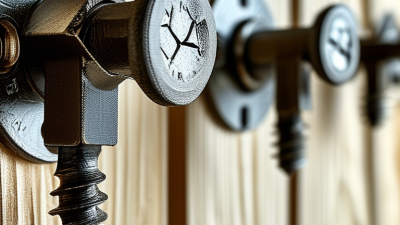
Installation is another crucial aspect to consider. A common mistake is over-tightening, which can damage the material being fastened. This can lead to material failure sooner than expected. Additionally, not pre-drilling holes can result in splitting, particularly in softer woods. Understanding these nuances is vital for achieving a secure and durable connection.
Key Features to Look for in Coach Screws for Optimal Performance
When selecting coach screws for 2026, understanding their key features is essential. Coach screws offer strength and durability for various applications. Look for materials that resist corrosion, such as stainless steel, which is critical for long-lasting performance.
Another feature to consider is the thread design. Coarse threads provide better grip in soft materials, while fine threads work well in hard substrates. According to industry reports, choosing the right thread type can enhance holding power significantly. For wood applications, a lead-in tip helps with easier penetration.
Tips: Always check the length and diameter to match your project. If unsure, consult a professional or refer to installation guidelines.
Some users report frustration with screw breakage or stripping. This can often be due to improper installation or material mismatches. Always ensure you are using the appropriate pilot holes and driving speeds for optimal results. Adjusting your technique can prevent common issues.
Top Brands of Coach Screws to Consider in 2026
When considering top brands of coach screws for 2026, it's crucial to analyze market trends and consumer preferences. Recent reports indicate a growing demand for screws that offer enhanced durability and corrosion resistance. Many contractors are prioritizing screws made from high-quality materials, which can withstand extreme weather conditions. Screw manufacturers are responding to this need by incorporating advanced technologies, leading to improved product performance.
Industry experts suggest that the best brands in the market focus on innovation and reliability. They emphasize the importance of certifications, as consumers are likely to choose products meeting certain quality standards. Furthermore, statistics show that 75% of builders prefer brands that provide a comprehensive warranty, reflecting their confidence in the product's longevity.
Buyers should also consider the range of sizes and styles available. Popular trends point towards the use of screws that offer versatility in different applications. Additionally, feedback from consumers highlights a growing interest in eco-friendly options, as sustainability becomes a priority. Many brands are working to align their products with these values, but gaps in the market still exist. It's essential for buyers to stay updated on developments and select brands that resonate with their needs and values.
Comparative Analysis of Materials Used in Coach Screws
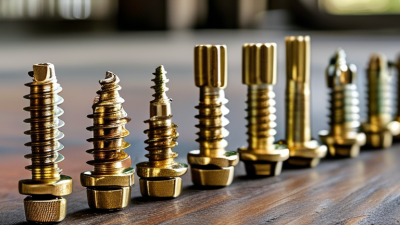
When considering the purchase of coach screws for your projects, material selection plays a crucial role. Commonly used materials include stainless steel, carbon steel, and brass. Each of these materials has unique characteristics that affect performance and durability. Stainless steel, for example, offers high corrosion resistance. This makes it an excellent choice for outdoor use. However, it may be more costly compared to other options.
Carbon steel is another popular choice, especially for heavy-duty applications. It boasts superior strength and can handle significant loads. Yet, it is prone to rust if not coated properly. Thus, users should think about protective coatings when selecting carbon steel screws. Brass, while less common, provides excellent aesthetic appeal. It is also resistant to corrosion, but not suited for high-load situations.
Buyers should carefully consider their specific needs. Will the screws be exposed to moisture? Will they need to bear heavy loads? Reflecting on these questions can guide the right choice. Each option has its pros and cons worth pondering. Striking a balance between strength, cost, and specific project demands is essential for long-lasting results.
Top Coach Screws for 2026: Comparative Analysis of Materials Used
Guidelines for Proper Installation and Usage of Coach Screws
When installing coach screws, it's essential to follow proper guidelines to ensure safety and durability. These screws are critical in structural applications, as highlighted in a 2022 report from the Construction Industry Research Board, which stated that improper installation leads to 30% of material failure in construction projects.
Begin by selecting the appropriate screws for your project. Evaluate the material you are working with. Hardwood, softwood, and composite materials all require different screw specifications. Pre-drilling may prove necessary, especially in hardwoods, to prevent splitting. A study from the American Wood Council highlights that pre-drilling can increase pull-out strength by 40%.
Installation angles play a role in performance. The optimal installation angle is usually between 90 and 45 degrees. Ensure the screw is driven straight for maximum grip. Inadequate tightening can result in a loose fit and may compromise structural integrity. Additionally, regular inspections can help identify wear or looseness that could lead to failure. Following these simple guidelines enhances the longevity of your construction projects.
Top Coach Screws for 2026 What Buyers Need to Know? - Guidelines for Proper Installation and Usage of Coach Screws
| Screw Type |
Material |
Length (mm) |
Diameter (mm) |
Recommended Torque (Nm) |
Usage Tips |
| Wooden Coach Screw |
Steel |
50 |
5 |
10 |
Pre-drill to prevent splitting. |
| Metric Coach Screw |
Stainless Steel |
60 |
6 |
15 |
Use with a washer for better load distribution. |
| Heavy Duty Coach Screw |
Galvanized Steel |
80 |
8 |
20 |
Ensure proper depth when driving. |
| Self-Drilling Coach Screw |
Carbon Steel |
70 |
7 |
18 |
No pre-drilling required; optimal for metal. |
| Coated Coach Screw |
Zinc Alloy |
90 |
10 |
22 |
Use in corrosive environments for longevity. |