What Are Threaded Rivets and How to Choose the Best Ones?
In the realm of fastening technologies, threaded rivets have emerged as a pivotal solution. These fasteners provide exceptional strength and durability, suitable for various applications across industries. According to Dr. Emily Carter, a leading expert in fastening technology, “The choice of threaded rivets can significantly impact the overall integrity of a structure.” Her insight highlights the importance of selecting the right types for specific needs.
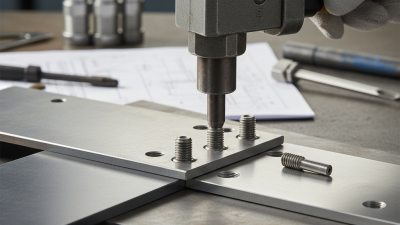
Threaded rivets are not just ordinary fasteners; they are designed to be inserted into pre-drilled holes, allowing for a strong mechanical connection. Their threaded design enables them to be easily integrated with other components, providing additional versatility. However, choosing the best threaded rivets requires careful consideration. Factors such as material compatibility, load requirements, and environmental conditions must be evaluated.
Many professionals still underestimate the impact of threaded rivets. They often overlook the importance of precise specifications. Choosing low-quality rivets can lead to structural failures, which can be costly. It's vital to assess the options thoroughly and involve experts in the decision-making process. This reflection emphasizes that knowledge and expertise play a critical role in this field.

What Are Threaded Rivets: Definition and Applications in Modern Industry
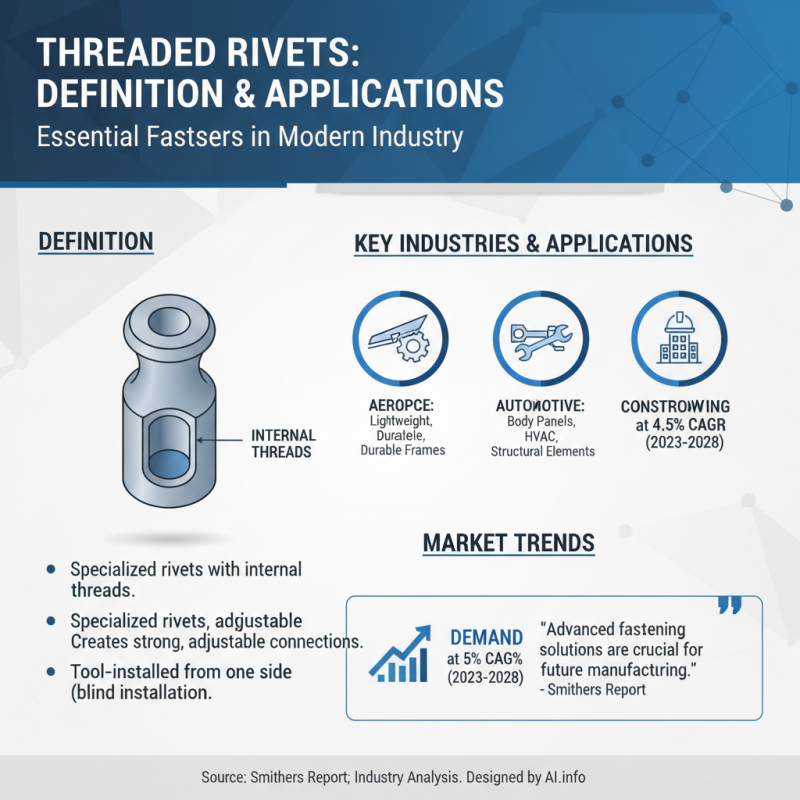
Threaded rivets are essential fasteners used across various industries. These specialized rivets have internal threads, allowing for strong, adjustable connections. Commonly found in aerospace, automotive, and construction sectors, they provide durability and reliability. According to a report by Smithers, the demand for advanced fastening solutions is expected to grow at a CAGR of 4.5% through 2028. This trend highlights the importance of understanding modern applications.
In aerospace applications, threaded rivets are used to assemble lightweight components. They allow for easy disassembly and reassembly of parts, an invaluable feature in maintenance. Construction often employs these rivets to connect metal structures, offering improved load resistance. However, their effectiveness hinges on proper selection. A study by the Fastening Technologies Institute emphasizes that incorrect specifications can lead to failures, questioning the integrity of the connection.
Choosing the best threaded rivets requires understanding material properties and load requirements. Factors such as tensile strength and corrosion resistance are critical. Inappropriate choices can lead to catastrophic failures. Regular audits and evaluations are recommended in high-stress environments. Despite advancements, adherence to rigorous standards remains essential for safety and performance.
Types of Threaded Rivets: An Overview of Materials and Designs
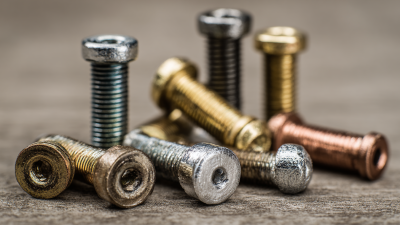
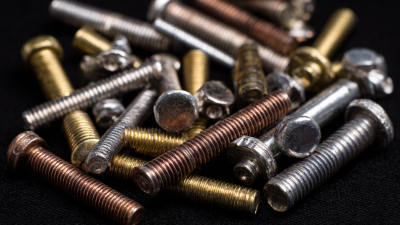
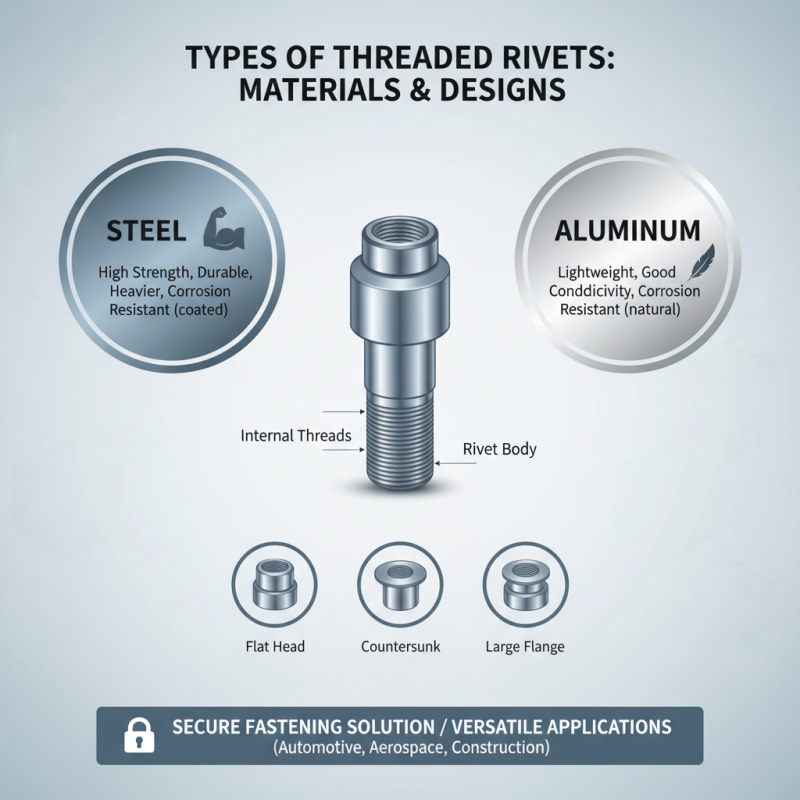
Threaded rivets offer a secure fastening solution in various applications. They come in different materials, such as steel and aluminum. Each material has unique properties affecting strength and weight. Steel threaded rivets are strong and durable. Aluminum rivets are lighter, making them ideal for aerospace applications.
Design aspects also vary. Some threaded rivets feature a closed end, preventing contaminants from entering. Others are open-ended, allowing for filling, like in hydraulic systems. When selecting, consider the environment. Corrosive settings may require stainless steel rivets.
Tips: Evaluate load requirements carefully. Ensure the chosen rivet can withstand the expected stress. Check compatibility with the base material. Misalignment can lead to failure. Take the time to study specifications to avoid costly mistakes. Be vigilant when choosing the rivets to ensure lasting effectiveness.
Key Advantages of Using Threaded Rivets over Traditional Fasteners
Threaded rivets have gained popularity in various industries due to their distinct advantages over traditional fasteners. One major benefit is their superior load-bearing capacity. According to industry reports, threaded rivets can provide up to 30% greater shear strength compared to standard rivets. This means they are more reliable for heavy-duty applications, such as in construction and automotive industries. Additionally, threaded rivets facilitate easier assembly and disassembly. This can lead to cost savings, as components can be replaced without damaging the surrounding structure.
Another significant advantage is the ability to use them in blind applications. They require minimal access space, making them ideal for tight areas. Reports indicate that up to 40% of assembly processes benefit from the use of blind rivets. They also offer a secure fastening option where other methods might fail. However, it is important to acknowledge that not all threaded rivets are created equal. The choice of materials and coatings can impact performance and longevity. Therefore, careful consideration is necessary when selecting the best rivets for a specific application. Not all applications may highlight the advantages of threaded rivets; sometimes, traditional methods are still effective. Balancing this choice requires thoughtful evaluation.
What Are Threaded Rivets and How to Choose the Best Ones? - Key Advantages of Using Threaded Rivets over Traditional Fasteners
| Feature |
Threaded Rivets |
Traditional Fasteners |
| Strength |
High tensile strength |
Varies, generally lower |
| Installation Speed |
Fast and efficient |
Slower, more complex |
| Weight |
Lightweight |
Generally heavier |
| Reusability |
Can be unscrewed and reused |
Typically permanent |
| Material Compatibility |
Compatible with a variety of materials |
Limited compatibility |
| Cost Efficiency |
Cost-effective in bulk applications |
Higher installation costs |
How to Determine the Right Size and Strength of Threaded Rivets
Choosing the right size and strength for threaded rivets is crucial for any project. The first step is to determine the material you will be using. Different materials require different rivet sizes. For instance, aluminum rivets are lightweight and suitable for thinner materials. Steel rivets provide strength for heavier applications.
Next, consider the thickness of the material to be joined. A rivet that is too short will not hold well. A rivet that is too long can be difficult to work with. Measure accurately and account for all layers of material when determining the length. It's important to think about the load your rivets will bear. High-stress environments need stronger rivets.
Finally, check the rivet’s tensile strength. This is key for durability. Not all applications require the same level of strength. Sometimes, the highest strength isn’t necessary. Make sure to balance cost with performance. Reflect on the specific needs of your project before making decisions.
Threaded Rivets Size and Strength Analysis
Industry Standards and Testing Methods for Threaded Rivets' Performance
Threaded rivets are essential in various industries, providing strength and durability in connections. Understanding industry standards for these rivets is crucial for reliable performance. Testing methods play a vital role in determining how well they hold up under stress.
Performance testing often includes shear and tensile tests. These tests assess how much force a rivet can withstand before failure occurs. Different materials will yield varying results. For instance, aluminum rivets may behave differently compared to steel rivets. Not all rivets perform well in every application, making it crucial to review specifications carefully.
Industry standards like those from ASTM provide guidelines for testing. These standards ensure a level of reliability in manufacturing and performance. However, some manufacturers may not fully comply. It's essential to verify certifications and test results before making a decision. Trusting the wrong supplier can lead to failures in critical applications. Consider exploring third-party testing for added assurance. Always ask for testing data to avoid potential risks.