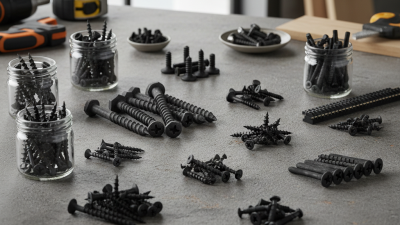
Top Quality Coach Screws for Your Global Sourcing Needs?
In today’s competitive market, sourcing high-quality coach screws is paramount for various industries, including construction and manufacturing. According to a recent report by Smith & Co., the demand for robust fastening solutions, like coach screws, has increased by 15% over the past year. This spike reflects a growing emphasis on durability and reliability in product design.
Coach screws are vital for ensuring structural integrity. Their unique design provides excellent holding power in wood, metal, and other materials. However, not all coach screws are created equal. Companies often face challenges in identifying suppliers that meet stringent quality standards. Many organizations struggle to balance cost with quality, leading to subpar purchasing decisions. A survey conducted by the Fastener Quality Institute revealed that 30% of firms reported quality issues related to low-grade fasteners.
As the global market evolves, ensuring the reliability of sourced coach screws is not just beneficial—it’s essential. By prioritizing high standards and focusing on established suppliers, businesses can avoid pitfalls related to inadequate fastening solutions. This careful consideration is crucial for maintaining product quality and safeguarding brand reputation in a demanding marketplace.
Understanding the Basics of Coach Screws and Their Applications
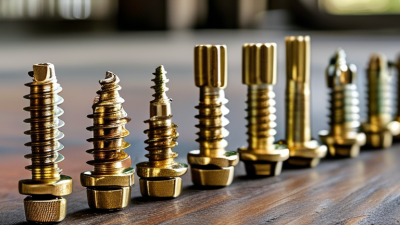
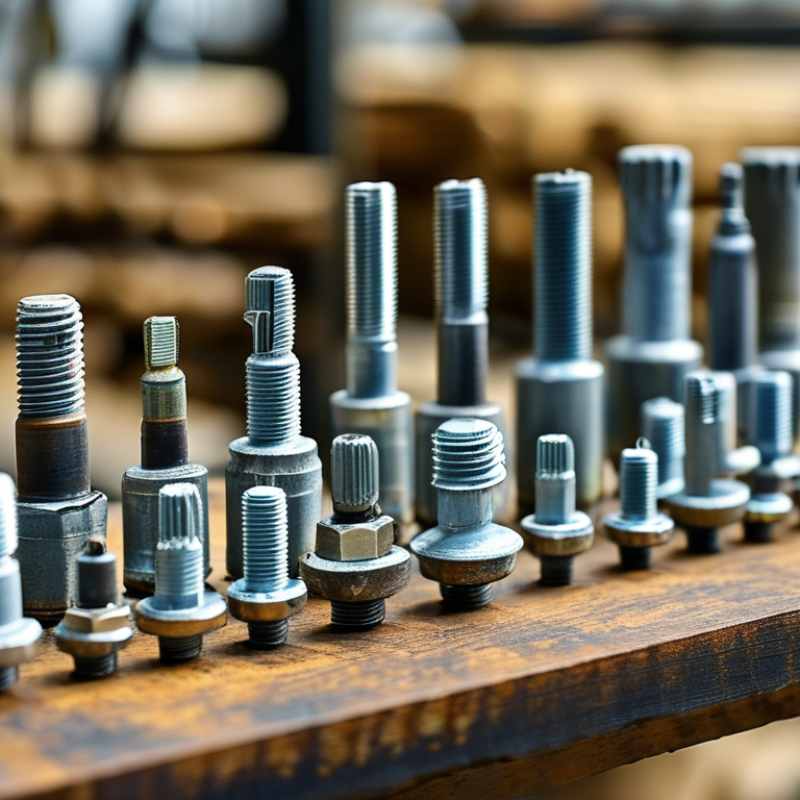
Coach screws, essential for a variety of construction projects, are known for their exceptional strength and durability. These screws often have a large, flat head and a deep, coarse thread, providing superior grip in different materials. A report from the Global Fastener Alliance indicates that the demand for coach screws is projected to grow by 5.2% annually over the next five years. This surge indicates an increased reliance on these fasteners across sectors like construction and woodworking.
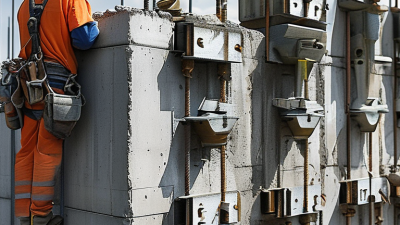
Understanding the applications of coach screws is crucial. They are commonly used in structural applications, ensuring stability and longevity. Many builders prefer them for their ability to handle heavy loads. A survey by the Construction Industry Institute revealed that 68% of contractors favor coach screws due to their reliability in critical situations. However, while they provide robust fastening solutions, it’s essential to assess the right material and size based on project specifications. Not weighing these factors can lead to structural failures.
In summary, with the rising need for high-quality fastening solutions, coach screws play a pivotal role. However, builders must remain vigilant about choosing the correct specifications to prevent issues. The focus should be on balancing quality with the specific demands of each application.
Factors to Consider When Sourcing Coach Screws Globally
When sourcing coach screws globally, several key factors should guide your decision-making. Quality standards are paramount. According to the Global Industry Analysts report, the increasing demand for high-quality screw products is driven by sectors like construction and automotive. Ensure that suppliers comply with international quality certifications. This minimizes the risk of defects, which can lead to costly recalls or project delays.
Next, consider the supply chain logistics. Shipping times and costs can significantly impact your project timelines. The World Trade Organization notes that inefficient logistics can inflate product costs by up to 20%. It's essential to evaluate the reliability of potential suppliers in meeting delivery schedules. A 2022 survey by Logistics Management found that nearly 70% of manufacturers faced delays due to poor supply chain practices.
Lastly, pricing transparency is vital. Variability in pricing can signal underlying issues in production or demand. Research shows that clear pricing structures are favored by 85% of procurement professionals. Be wary of unusually low prices, as they can indicate compromised quality. Striking a balance between cost and quality will ensure you make optimal sourcing decisions.
Top Quality Coach Screws for Your Global Sourcing Needs
| Dimension |
Material |
Coating |
Length (mm) |
Diameter (mm) |
Thread Type |
Packaging |
| M4 |
Steel |
Zinc Plated |
50 |
4.0 |
Coarse |
Box of 100 |
| M5 |
Stainless Steel |
Black Oxide |
60 |
5.0 |
Fine |
Pack of 50 |
| M6 |
Carbon Steel |
Galvanized |
75 |
6.0 |
Coarse |
Bag of 200 |
| M8 |
Alloy Steel |
Chrome Plated |
100 |
8.0 |
Fine |
Box of 25 |
Top Manufacturers of Quality Coach Screws Around the World
When sourcing coach screws, it's essential to know the top manufacturers specializing in quality products. Studies indicate that the global coach screws market continues to expand, with a projected growth rate of 4.5% annually. This growth reflects the increasing demand for durable fasteners across various industries.
Key players in the market are using advanced materials and manufacturing techniques. For example, many producers are opting for carbon steel and stainless steel for enhanced strength and corrosion resistance. According to industry reports, over 60% of coach screws used in construction projects are now sourced from Asia, highlighting the region's manufacturing capabilities.
However, sourcing from multiple regions can pose challenges. Quality inconsistency is a concern, as standards may vary significantly between manufacturers. It's crucial to conduct thorough supplier assessments and quality checks. Engaging with manufacturers that demonstrate expertise in quality control can mitigate risks. The push for sustainability in manufacturing processes also raises questions about material sourcing and environmental impact. This can lead to reflection on the best practices for responsible sourcing.
Evaluating the Quality Standards of Coach Screws for International Trade
The demand for coach screws has surged due to the globalization of trade. Quality is paramount in ensuring these fasteners perform well under various conditions. Reports indicate that up to 30% of imported coach screws fail quality tests. This raises concerns for sourcing professionals responsible for procurement.
Key quality standards include tensile strength and corrosion resistance. According to industry data, coach screws should withstand a minimum tensile strength of 800 MPa for general applications. Many manufacturers, however, do not consistently meet these benchmarks. This inconsistency can lead to frequent product failures and increased costs for businesses.
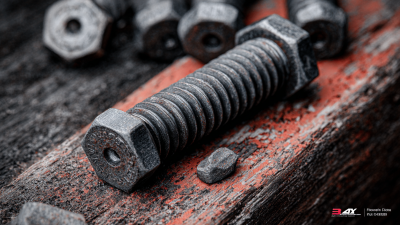
Additionally, the materials used significantly impact quality. Low-grade steel can be susceptible to rust and breakage. A study revealed that 40% of screws manufactured with substandard materials do not meet international trade specifications. It is crucial for global buyers to implement thorough inspection processes. This ensures that they receive products that meet or exceed the necessary quality standards. Regular audits can also help manufacturers improve their production methods, ultimately benefiting the end users.
Quality Evaluation of Coach Screws for Global Sourcing
Tips for Ensuring Successful Procurement of Coach Screws Globally
When sourcing coach screws globally, meticulous attention to detail is vital. Always assess the materials used. High-quality screws typically employ durable metals. Corrosion-resistant coatings can enhance longevity. Checking the specification sheets can reveal a lot about the product quality.
Another important consideration is supplier reliability. Engage with manufacturers who have a proven track record. Reading reviews and client testimonials is helpful but not foolproof. Some suppliers may seem trustworthy but may fail in product consistency. It's wise to request samples before making large orders. This mitigates risks and ensures that the products meet your requirements.
Cultural differences can also impact your sourcing strategy. Communication is key. Misinterpretations can lead to errors. Setting clear expectations from the start can help avoid frustration later. Assessing timelines and production capacities will keep your project on track. Always be prepared for delays and have contingency plans ready.