How to Choose the Best Small Screws for Your Projects?
When embarking on a project, the choice of Small Screws can significantly impact the outcome. The right screws hold materials together effectively, ensuring durability and performance. According to a report by the Fastener Quality Act, nearly 20% of structural failures in construction arise from improper fastener selection. This statistic underscores the importance of careful consideration when choosing Small Screws for any application.
Choosing Small Screws involves more than just selecting a size. It requires understanding the materials involved, the load requirements, and environmental factors. A study by the Industrial Fasteners Institute indicates that 30% of fastening failures result from using incorrect screw types. Thus, knowing your specific needs can enhance project reliability and longevity.
Ultimately, mistakes can happen in the selection process. It’s easy to overlook factors such as corrosion resistance or tensile strength. Reflecting on past experiences can guide improvement in future projects. Being meticulous about Small Screws will pave the way for greater success and fewer failures.
Understanding Different Types of Small Screws for Various Applications
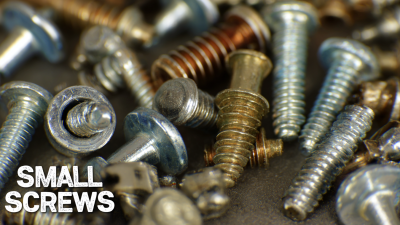
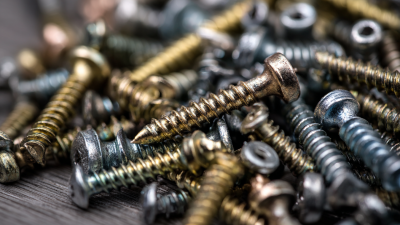
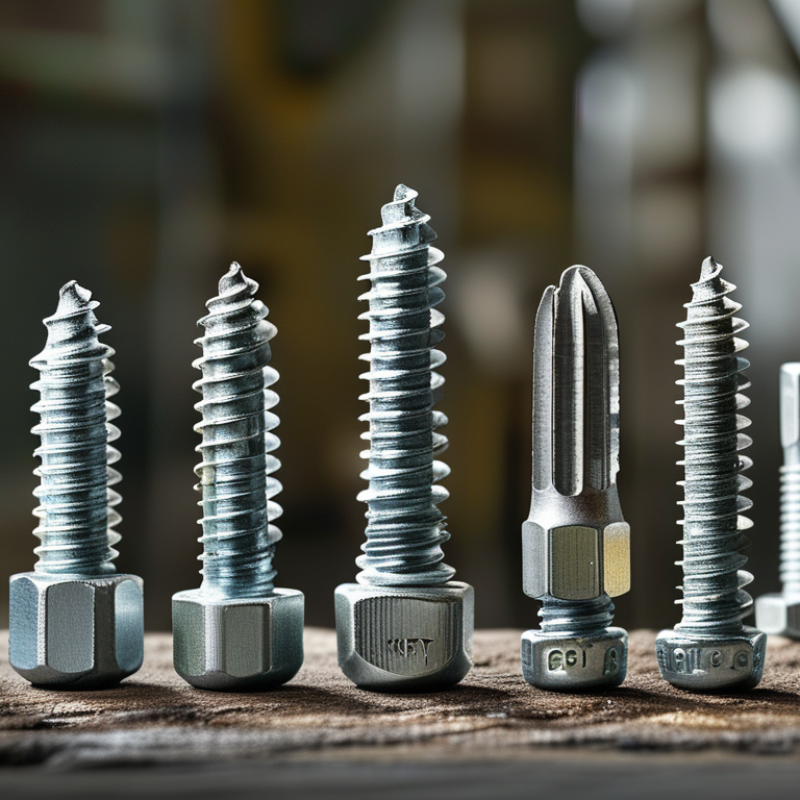
Choosing the right small screws is essential for various projects. Different applications require different types of screws. Common materials include stainless steel, brass, and plastic. Each material has unique properties that can affect strength and corrosion resistance. According to industry reports, stainless steel screws account for around 40% of the market because of their durability.
Wood screws, machine screws, and sheet metal screws serve distinct purposes. Wood screws are often used in furniture assembly, while machine screws secure machinery components. Sheet metal screws are ideal for fastening thin sheets of metal. The choice of screw type significantly impacts project success. Not all screws perform equally in every situation. It’s crucial to acknowledge the specific needs of your application.
Some projects may benefit from coarse-thread screws, while others require fine-thread options. Coarse threads provide better holding power in softer materials. However, fine threads are often needed for precision work. Users should evaluate the materials and conditions they are working with. This helps in making informed decisions. Balancing between strength and aesthetic appeal can be challenging. Experimenting with different screw types can lead to unexpected results. Keep these factors in mind for optimal outcomes.
Small Screws Usage in Various Applications
Factors to Consider When Choosing Small Screws for Your Project
When selecting small screws for your projects, several key factors play a crucial role. The material of the screw is vital. Stainless steel screws resist rust and corrosion. They are ideal for outdoor use. However, they may be more expensive. Consider the environment. If moisture is present, opt for materials designed to withstand it. A report from the Fastener Industry Association highlights that over 30% of failures in construction projects stem from improper screw selection.
Size and thread type also matter significantly. For a secure hold, ensure the screw length matches the thickness of the materials. A screw that's too short may not provide enough grip. Additionally, the thread design affects pulling strength. Fine threads work well in softer materials, while coarse threads excel in denser substrates. A study from the American Society of Mechanical Engineers found that using the right thread type can increase joint strength by up to 50%.
Think about the drive type as well. Phillips, slotted, and hex drives each offer benefits. Phillips screws allow for better torque without stripping. However, they can be tricky in tight spaces. On the other hand, hex screws provide excellent grip but require specialized tools. Experience often highlights that the best choice isn't always the most obvious one. Reflect on your project needs, and make informed decisions.
How to Choose the Best Small Screws for Your Projects?
| Screw Type |
Material |
Diameter (mm) |
Length (mm) |
Drive Type |
Usage |
| Pan Head Screw |
Stainless Steel |
3 |
10 |
Philips |
Electronics |
| Flat Head Screw |
Brass |
4 |
15 |
Slotted |
Wood Projects |
| Socket Head Cap Screw |
Alloy Steel |
5 |
20 |
Hex |
Machinery |
| Sheet Metal Screw |
Zinc-Plated Steel |
3.5 |
12 |
Torx |
Metal Fabrication |
| Self-Tapping Screw |
Stainless Steel |
4 |
10 |
Phillips |
Plastic and Wood |
Materials and Coatings: Impact on Performance of Small Screws
Choosing the right small screws is crucial for any project. The materials and coatings of these screws greatly influence their performance. For example, stainless steel screws resist rust and corrosion but can be brittle. On the other hand, brass screws are softer and may not hold up under heavy loads.
Coatings, such as zinc or black oxide, provide extra protection. Zinc-coated screws resist moisture and prevent rust. However, they may chip or wear over time. Black oxide screws offer a sleek finish but can be less durable in high-stress applications. Make sure to match the screw material to your project's environment.
When selecting small screws, consider the application carefully. If you need strength, opt for hardened steel. For outdoor use, stainless steel may be more reliable. Always test screw effectiveness in different materials before finalizing your choice. Remember, it's not just about how they look; functionality is key.
Measuring and Sizing Small Screws for Optimal Fit and Function
When selecting small screws for your projects, precision in measuring and sizing is crucial. Different applications require different screw dimensions. Start by measuring the thickness of the materials you’ll be joining. A screw that is too long can easily damage components, while one that is too short may not provide sufficient grip. Use calipers for an accurate measurement. This ensures your screws fit perfectly.
Here are some tips to ensure you choose the right screw size. Consider the screw head type, as it affects how the screw sits on the surface. Flat heads sink into the material, while round heads offer a prominent finish. Additionally, think about the screw's thread pitch. A finer pitch is best for softer materials, while coarser threads grip better in harder surfaces.
Lastly, remember that not all screws are created equal. Sometimes, a screw that seems perfect in size might not hold up under stress. Always test different sizes and types. It’s better to experiment with scrap pieces first. This trial and error process can lead to the ideal fit and functionality in your final project.
Tools and Techniques for Installing Small Screws Safely and Effectively
Installing small screws can be a meticulous task. It requires the right tools and techniques to ensure safety and effectiveness. The process may seem straightforward, but nuances can lead to frustrating mistakes.
Using a proper screwdriver is crucial. A well-fitted screwdriver minimizes slippage and reduces the risk of damaging the screw head. This can save you time and effort in the long run. For intricate projects, consider a magnetic tip screwdriver. It holds the screw in place, making alignment easier.
Tip: Always pre-drill holes for small screws. This keeps the material intact and reduces stress on the screw. A pilot hole ensures a snug fit. It can prevent the wood or plastic from splitting.
Another technique is to use a pair of pliers to tighten small screws. It gives you added leverage, especially in tight spaces. However, be careful not to overtighten. This could strip the screw or damage the material.
Tip: Practice patience, especially when screws get stuck. Using a little lubricant can help. It might take time to find the right angle. But, small adjustments can lead to a successful installation.