How to Choose the Best Snap Fasteners for Your Sewing Projects
When it comes to sewing projects, the right choice of fastening can make all the difference in functionality and aesthetics. Snap fasteners, known for their ease of use and versatility, are a popular option among sewists. Choosing the best snap fasteners requires careful consideration of various factors, including the type of fabric, the intended use, and the desired design. With so many styles and sizes available on the market, understanding the different options can lead to better decision-making and ultimately enhance the quality of your sewing endeavors.
In this guide, we will explore the essential elements to consider when selecting snap fasteners for your projects. Whether you're working on clothing, bags, or home décor, the right snap fasteners can provide a secure closure that is both practical and visually appealing. From metal to plastic, and from decorative to functional designs, we will help you navigate through the choices to find the perfect match for your creative vision. By the end of this exploration, you will feel equipped to confidently incorporate snap fasteners into your sewing repertoire, ensuring that your creations are not only beautiful but also durable and user-friendly.
Understanding Snap Fasteners: Types and Their Uses
Snap fasteners are essential components in various sewing projects, and understanding their types and applications is crucial for achieving the best results. Generally, snap fasteners can be categorized into two main types: metal and plastic.
Metal snaps are known for their durability and strength, often used in heavy-duty applications, such as jackets and bags. According to a report by the Global Fastener Market, metal snap fasteners are expected to witness a growth rate of 3.5% annually, driven by the rising demand in fashion and textile industries.
On the other hand, plastic snap fasteners are favored for their lightweight properties and corrosion resistance, making them ideal for children's clothing and accessories. A study from the Apparel Manufacturing Trends highlighted that plastic fasteners account for approximately 40% of the total fastener market share due to their versatility and affordability.
Choosing between these types involves considering the specific requirements of your project, such as functionality, aesthetics, and the fabric being used. Understanding these factors will enable you to select the best snap fastener that suits your sewing endeavors.
Factors to Consider When Choosing Snap Fasteners
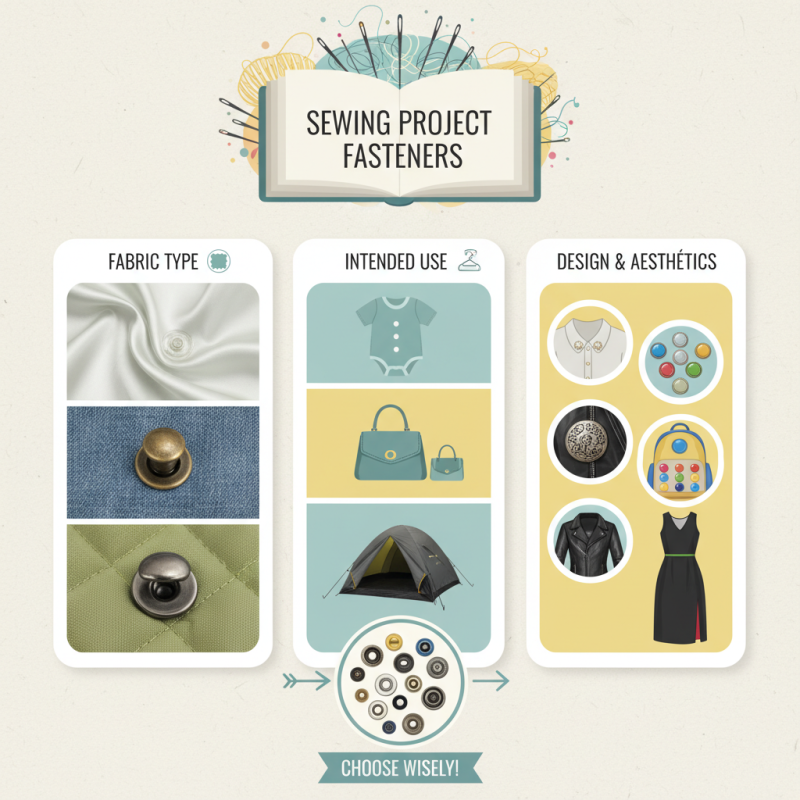
When selecting snap fasteners for your sewing projects, several key factors should be taken into consideration to ensure you make the best choice. Firstly, the material of the snap fasteners plays a significant role in their durability and functionality. Metal snaps are sturdy and often used for heavy-duty applications, while plastic snaps might be lighter and more suitable for delicate fabrics. Understanding the material's strengths and weaknesses can help you choose snaps that will hold up to the demands of your project.
In addition to material, the size and type of snap fastener should align with the specific requirements of your sewing project. Different sizes are designed for various applications, from small snaps for lightweight garments to larger ones for bags and upholstery. It's also important to consider the design of the snap fastener. Some projects may benefit from a decorative snap, while others may require a more functional approach. Evaluating these factors will help you select snap fasteners that not only enhance the aesthetic of your work but also provide the necessary security and ease of use.
How to Choose the Best Snap Fasteners for Your Sewing Projects - Factors to Consider When Choosing Snap Fasteners
| Factor |
Description |
Recommended Use |
| Material |
Choose between plastic, metal, or fabric-covered for durability and look. |
Children's clothing, bags, and jackets. |
| Size |
Available in various sizes; choose one that fits your project scale. |
For light fabrics, use smaller sizes; for heavy fabrics, prefer larger sizes. |
| Color |
Available in many colors; consider matching or contrasting with fabric. |
Fashion items, costumes, and accessories. |
| Ease of Use |
Some fasteners are easier to install than others; consider tools required. |
Quick projects or for beginners. |
| Durability |
Evaluate the strength of the fasteners based on their intended use. |
Outerwear, heavy bags, and items subject to wear and tear. |
Matching Snap Fasteners with Fabric Types
When selecting snap fasteners for sewing projects, it's crucial to match them with the appropriate fabric types to ensure durability and functionality. A recent industry report by the Textile Research Journal highlighted that the right matching of fasteners can enhance the longevity of garments, particularly in children's clothing and sportswear where frequent use and washings are expected. For instance, using nickel-plated snaps on heavier fabrics like denim can offer the sturdiness required to withstand stress, while plastic snaps are more suitable for lightweight, synthetic materials, providing a perfect balance of hold without adding unnecessary weight.
Additionally, the choice of snap fasteners should consider the fabric's texture and finish. For example, using matte finish snaps on high-contrast fabrics can help avoid visual distractions and maintain the garment's aesthetic. According to data from the International Apparel Federation, 65% of consumers prefer fasteners that not only function effectively but also complement the overall design of the clothing. By considering these factors, sewers can make informed decisions that not only enhance the performance of their creations but also appeal to the preferences of their target audience.
Installation Techniques for Snap Fasteners
When it comes to installing snap fasteners, understanding the underlying techniques is crucial for achieving a durable and effective closure. First, choose the right type of snap fastener for your fabric; for instance, some materials may necessitate heavier-duty snaps while others can accommodate lighter options. Mark the placement accurately on your fabric to ensure alignment between the two halves of the snap. A fabric marking pen can help denote precise spots without leaving a permanent trace.
Next, use appropriate tools for installation. A snap-setting tool simplifies the process significantly, ensuring that the snaps are attached securely without damaging the fabric. Begin by using an awl to create a small hole where the snap will be placed, especially if you are working with thicker materials. Insert the snap components and utilize the snap setter to firmly press down, securing them in place. Taking the time to practice on scrap fabric before working on your final project can help you refine your technique and boost your confidence in applying snap fasteners.
Snap Fastener Usage in Sewing Projects
Maintenance Tips for Durable Snap Fasteners
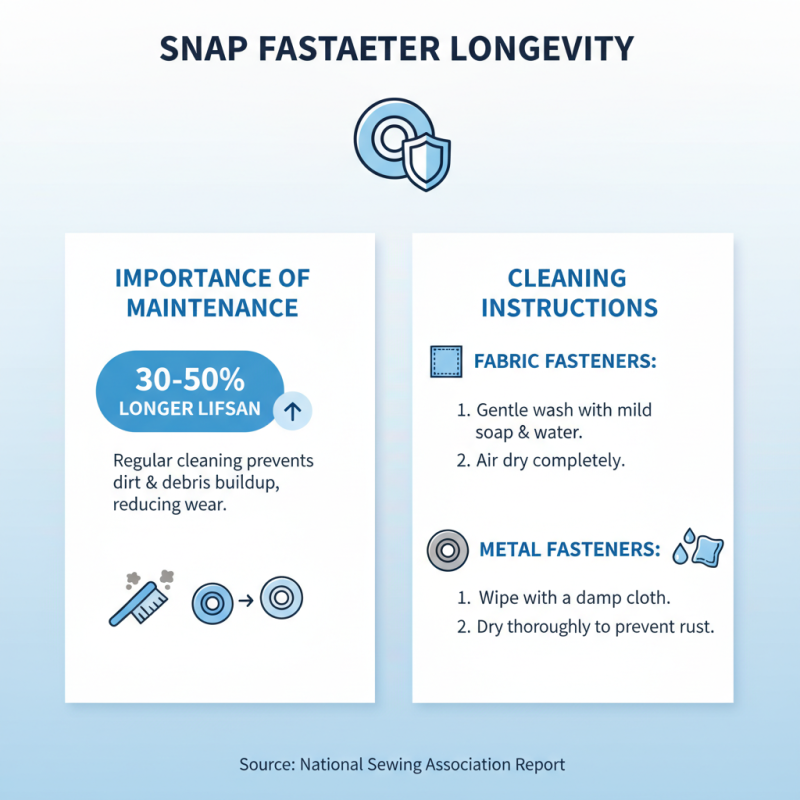
When it comes to ensuring the longevity of snap fasteners in your sewing projects, regular maintenance is crucial. According to a report published by the National Sewing Association, maintaining fasteners can extend their lifespan by 30-50%. This includes regular cleaning to remove dirt and debris, which can cause premature wear. For fabric fasteners, a gentle wash with mild soap and water followed by air drying is recommended.
In addition to cleaning, it's essential to periodically check the fasteners for any signs of wear or damage. Replacing worn or rusted snap parts promptly not only maintains the aesthetic quality of your project but also ensures functional reliability. A survey from Craft Industry Alliance reveals that 45% of sewing enthusiasts experienced issues with snap fasteners, mainly due to lack of maintenance. By investing just a few extra minutes in care, you can achieve durability in your snap fasteners, allowing your sewing projects to stand the test of time.