Best Wood To Metal Screws for Strong and Secure Connections?
In the realm of construction and DIY projects, the choice of screws is crucial. When it comes to joining wood to metal, the right fastener can make all the difference. Renowned expert, James Walker, states, “Wood to metal screws must offer strength and durability to ensure a reliable connection.” His insight reflects the importance of selecting appropriate materials for successful outcomes.
Wood to metal screws come in various types, each designed for specific applications. These screws typically feature a sharp tip, allowing for easy penetration into both materials. Their unique thread design enhances grip, minimizing the risk of loosening over time. While many options exist, not all are equally effective or suitable for every project.
Selecting the wrong screw can lead to structural weaknesses. It is essential to consider factors such as load-bearing capacity and environmental conditions. Some screws may rust in damp environments, undermining their effectiveness. Building a secure and sturdy bond between wood and metal requires thoughtful attention to detail and a well-informed decision on fasteners. The perfect choice ensures longevity and strength in your projects.
Types of Wood to Metal Screws for Various Applications
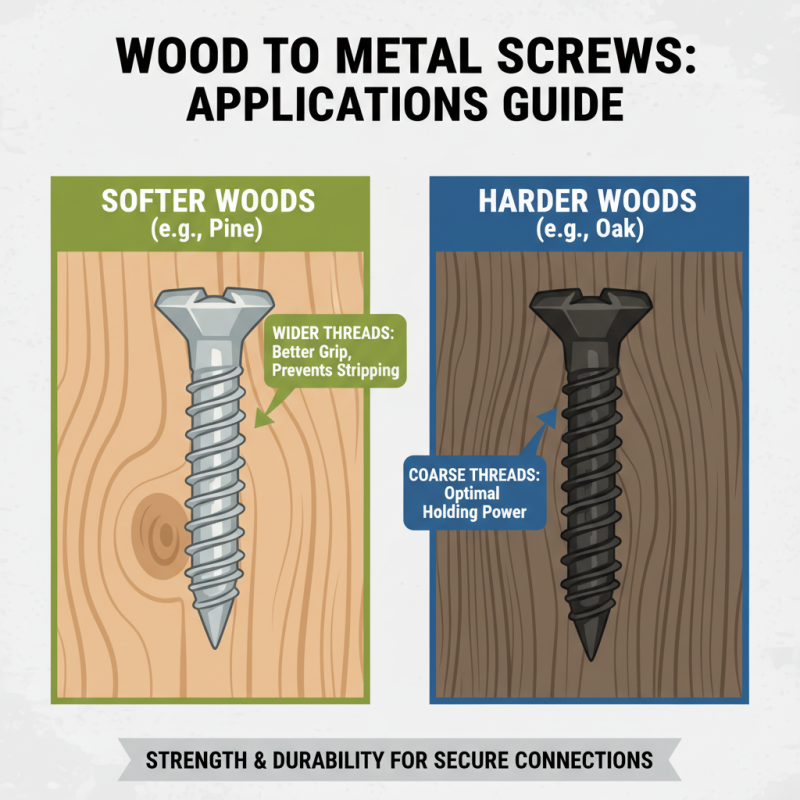
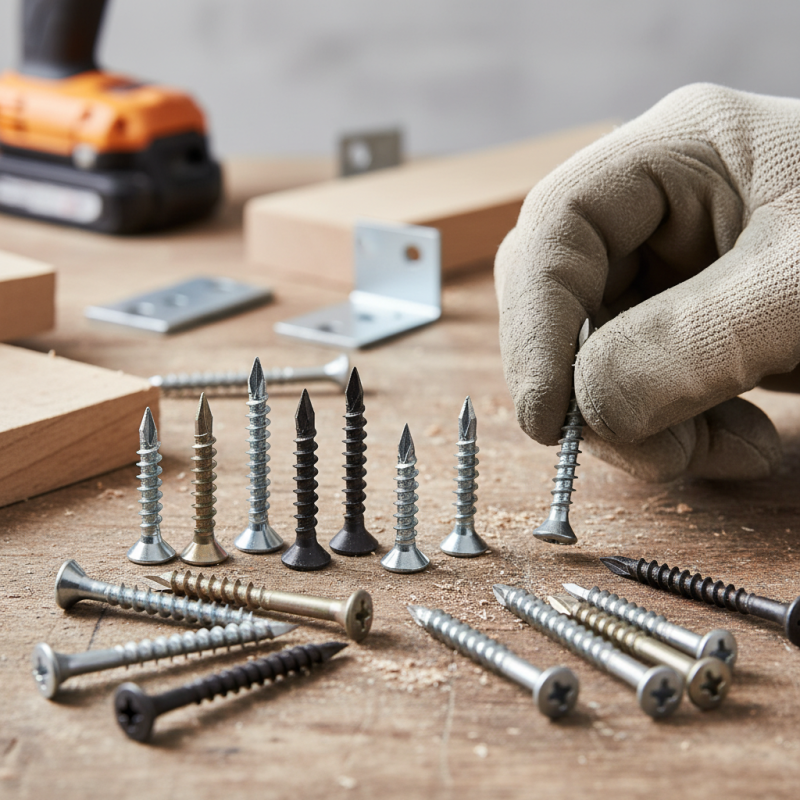
When it comes to wood to metal screws, understanding different types is crucial for various applications. According to industry reports, wood to metal screws typically feature specific designs that enhance their strength and durability. For softer woods, like pine, screws with wider threads provide better grip. They prevent stripping and ensure a secure connection. In contrast, harder woods, such as oak, benefit from screws that have coarse threads for optimal holding power.
Self-tapping screws are another option, especially effective for lighter metal connections. These screws eliminate the need for pre-drilling and streamline the assembly process. However, while they offer convenience, their holding capacity may not match that of traditional screws. Concerns about long-term stability arise when using self-tapping screws in thicker materials. It's essential to assess the weight and load of the application to avoid potential failures.
Additionally, coated screws offer protection against corrosion, making them suitable for outdoor projects. However, not all coatings are created equal, and some might wear off over time. Proper material selection is critical to ensure longevity. This highlights the importance of examining specifications and conducting tests to verify performance. Ultimately, your choice of screw will significantly impact the success of your project.
Choosing the Right Material: Steel vs. Stainless Steel Screws
When choosing screws for wood-to-metal connections, the material significantly impacts performance. Steel screws are often favored for standard projects. They provide superior strength and stability in various applications. According to industry research, steel screws can achieve tensile strengths exceeding 1,000 MPa. However, they are prone to rust and corrosion in damp conditions.
Stainless steel screws offer an alternative with better corrosion resistance. They contain chromium, which forms a protective layer. This makes them ideal for outdoor use or in humid environments. A study by the Materials Engineering Society showed that stainless steel screws maintain their integrity even after prolonged exposure to moisture. They can last up to five times longer than their steel counterparts in adverse conditions.
The choice between steel and stainless steel should also consider installation challenges. Steel screws can be tougher to drive into hard or dense materials. Stainless steel, on the other hand, sometimes requires pre-drilling to avoid splitting in wood applications. Balancing these factors is essential for secure connections. Proper installation practices can mitigate risks associated with both screw types.
Best Wood To Metal Screws for Strong and Secure Connections
| Screw Type |
Material |
Corrosion Resistance |
Strength |
Price Range |
| Wood to Metal Screws |
Steel |
Low |
High |
$0.05 - $0.15 |
| Wood to Metal Screws |
Stainless Steel |
High |
Medium |
$0.10 - $0.25 |
| Heavy-Duty Screws |
Carbon Steel |
Medium |
Very High |
$0.08 - $0.20 |
| Coated Screws |
Steel with Coating |
Medium |
High |
$0.06 - $0.18 |
Screw Features That Enhance Strength and Durability
When choosing wood to metal screws, understanding their features is crucial. The thread type significantly affects strength. Screws with coarse threads provide better gripping power. This design helps them secure metal parts to wooden structures effectively. Additionally, a sharp tip can penetrate easily, reducing the effort needed during installation.
The materials used in the screws also play a vital role. Stainless steel offers corrosion resistance and durability, ensuring long-lasting connections. Heat-treated screws are another excellent choice. They can withstand higher loads without bending or breaking. However, not all screw designs are perfect for every application. Selecting the wrong screw can lead to failure.
Screw length is important too. Longer screws can improve grip but may split the wood. A balance is essential to avoid damage. Always test the screws in your specific materials. Trying different combinations can yield the best results. Remember, securing strong connections is a process that might need adjustments along the way.
Best Wood to Metal Screws for Strong and Secure Connections
Installation Tips for Secure Wood to Metal Connections
When connecting wood to metal, selecting the right screws is crucial. The installation process also plays a vital role in ensuring the connection is strong and secure. Here are some practical tips to enhance your wood-to-metal connections.
Start by pre-drilling holes in both the wood and metal surfaces. This makes it easier to drive the screws in and reduces the risk of splitting the wood. Use a countersink bit to ensure the screws sit flush with the wood's surface. A secure fit minimizes movement, which can weaken the connection over time.
Consider using a washer with your screws. This helps distribute the load evenly across the surface, providing added strength. Always check for rust or corrosion on metal surfaces before installation. Using screws that fit properly is essential. Poorly-fitting screws can lead to instability, risking the integrity of the entire setup.
Lastly, test the connection after installation. Give it a slight tug to ensure there is no play. If you notice any wobbling, reconsider your choice of screw or re-check your installation technique. A strong connection requires attention to detail—don't overlook these critical steps.
Common Mistakes to Avoid When Using Wood to Metal Screws
When using wood to metal screws, several common mistakes can compromise your project. One frequent error is not pre-drilling holes. This can cause the metal to bend or the wood to split. Pre-drilling helps align the screw and reduces stress on both materials. Use a drill bit slightly smaller than the screw to ensure a snug fit.
Another mistake involves choosing the wrong screw length. A screw that’s too short may not provide adequate hold. Conversely, a screw that’s too long can protrude, creating hazards. It's advisable to measure thicknesses carefully before selecting screws. Additionally, using the wrong type of screw head can lead to stripped screws. Ensure you select screws with compatible drives for your tools.
Not considering the environmental factors is also a misstep. Moisture and temperature fluctuations can affect both wood and metal over time. Using screws resistant to rust and corrosion is essential for durability. Moreover, neglecting to tighten screws properly can lead to loose connections. Always check connections after assembly to maintain stability. Being aware of these pitfalls can lead to stronger, more reliable connections in your projects.