Best Weld Nuts for Strong Connections in Your Projects?
When it comes to creating durable connections in various projects, choosing the right components is essential. Weld nuts are a popular fastening solution for many engineers and builders. Their design allows them to be securely attached to different materials. However, not all weld nuts are created equal. Some may not provide the strength needed for demanding applications.
Understanding the different types of weld nuts available is crucial. It is easy to overlook specifications when making a selection. For example, factors like material type, size, and load ratings matter significantly. Choosing the wrong option can lead to project failures, which can be frustrating.
There are many brands on the market, each claiming to offer the best weld nuts. Yet, determining which one truly stands out requires careful evaluation. Users of weld nuts must consider their specific needs. Investing time in research will pay off in the long run. The right weld nuts can enhance the longevity and performance of your projects.
Understanding Weld Nuts: Definition and Purpose in Engineering
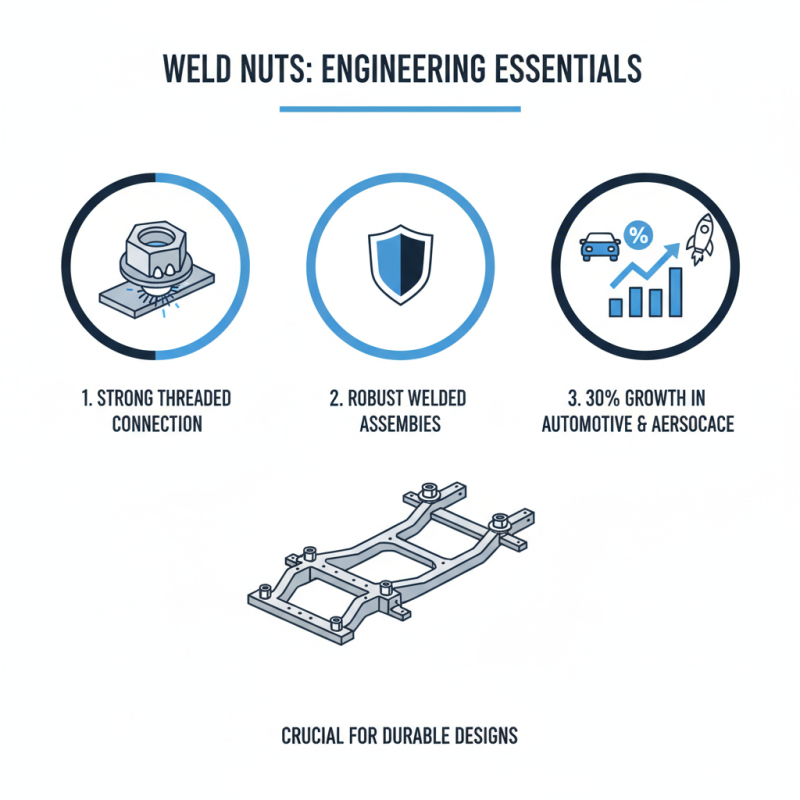
Weld nuts are crucial components in engineering and manufacturing. They provide a strong threaded connection in welded assemblies. Often made of steel, these nuts are welded to substrates, creating reliable joints in various structures. According to industry reports, reliance on weld nuts has increased by over 30% in automotive and aerospace applications. This growth underscores their importance in achieving robust and durable designs.
In choosing the right weld nut, it's vital to understand their specifications. Some weld nuts are designed for specific load capacities. For instance, a Class 2 weld nut is recommended for applications where significant tension loads occur. It is advisable to refer to ASTM standards when selecting weld nuts, as they ensure material quality and performance.
Tips: When welding, ensure proper surface preparation. This step significantly influences joint integrity. Additionally, consider the environmental conditions during installation. High humidity can affect the weld quality. Experimentation may be necessary to fit specific project needs, as each application can differ in terms of requirements and loads. Understanding these nuances helps avoid failures and enhances overall project success.
Types of Weld Nuts: A Comparative Overview of Designs and Materials
Weld nuts are critical components in various construction and manufacturing applications. They provide strong connections between metal parts. Understanding their designs and materials can help you select the right type for your project.
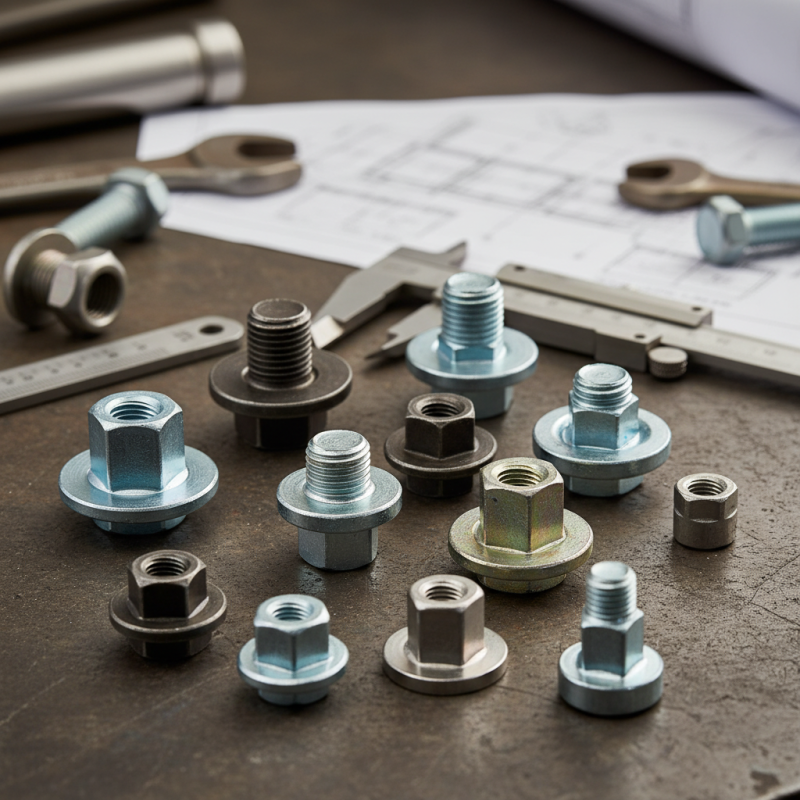
There are several types of weld nuts, each with unique characteristics. The most common designs include hex, square, and flanged weld nuts. Hex weld nuts are versatile and widely used due to their geometric design. They can withstand high torque loads.
Square weld nuts, while less common, offer exceptional stability in certain installations. Flanged weld nuts distribute load evenly, reducing stress concentrations.
Material choice is significant. Carbon steel is prevalent for its strength and cost-effectiveness. Stainless steel, while pricier, resists corrosion in harsh environments. According to a report by the American Welding Society, the failure rates for weld nuts made from low-grade materials can exceed 15%. This highlights the importance of selecting high-quality products.
Ultimately, understanding these differences is essential in achieving durable and reliable connections in your projects.
Key Factors to Consider When Selecting Weld Nuts for Your Projects
When selecting weld nuts for your projects, consider the load capacity.
A report from the American Welding Society highlights that the strength of a connection significantly relies on the material used. Steel nuts typically handle heavier loads than aluminum. This distinction is crucial when determining the type of weld nut for your application.
Another critical factor is the weldability of the nut.
Some materials can be challenging to weld due to their chemical compositions. A study published by the International Journal of Manufacturing Technology shows that over 30% of welding failures are attributed to improper material selection. Ensure that the weld nut matches the base material. This will enhance the durability and reliability of your connection.
Surface finish is often overlooked but essential.
A rough surface can impede the welding process, leading to poor adhesion. Research from the Welding Research Council indicates that smoother surfaces can improve the bond strength by 15%. Be aware that while a shiny finish may look appealing, it does not always translate to better performance. Choose the right surface texture according to the demands of your project.
Installation Techniques for Effective Use of Weld Nuts
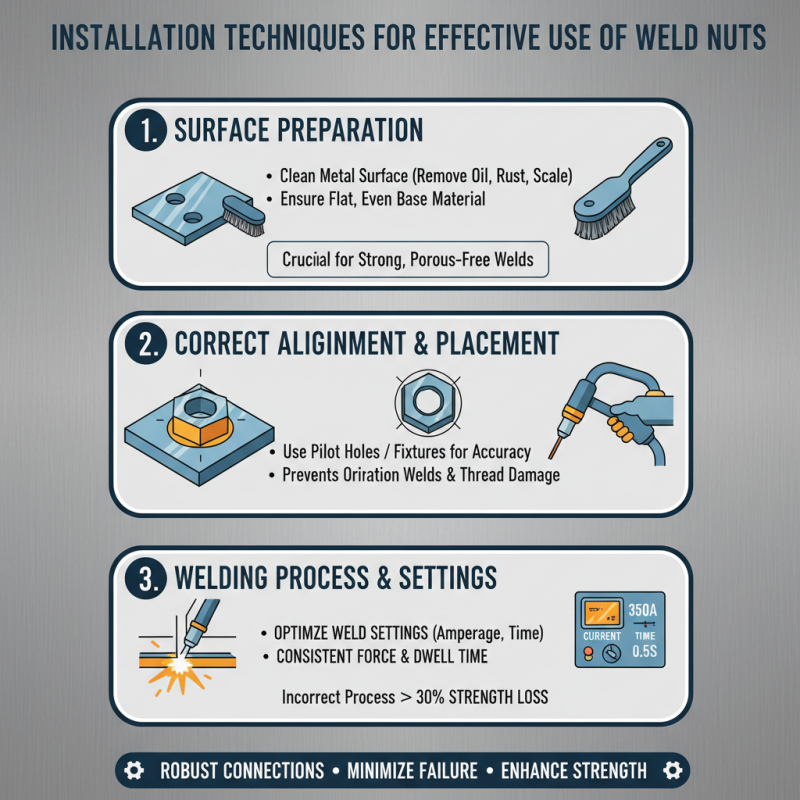
Weld nuts are essential for creating robust connections in metalwork. Proper installation techniques can significantly enhance the strength of these connections. Using the right process ensures that weld nuts function as intended, minimizing the risk of structural failure. In industrial applications, reports indicate that improper installation can lead to up to a 30% decrease in connection strength.
To install weld nuts effectively, it’s important to clean the surfaces thoroughly. Rust, dirt, and oil can compromise weld quality. A clean surface allows for strong fusion during the welding process. Furthermore, ensuring the correct weld settings is crucial. Using too much heat can weaken the material. A report by the American Welding Society emphasizes that optimizing heat settings can improve connection reliability by 25%.
During installation, pay attention to weld nut alignment. Misalignment can create stress points. This issue may lead to premature failure, especially in high-stress applications. Some installers overlook the importance of securing the weld nut in place. Failing to do so can result in insufficient penetration, affecting the overall joint strength. Being aware of these factors is vital. Regular assessments and adjustments to technique can lead to improved performance and component longevity.
Common Applications of Weld Nuts in Various Industries and Projects
Weld nuts are essential components in various industries. They provide a secure method for connecting parts. In automotive manufacturing, weld nuts are commonly used to attach body panels to frames. They ensure firm connections that withstand vibration and stress during operation. Their reliability is crucial for vehicle safety and longevity.
In the electronics sector, weld nuts support assembling components like circuit boards in metal casings. The nuts allow for quick installation and maintenance, which is vital in production lines. However, improper placement can lead to misalignment. This can compromise the integrity of the device, emphasizing the need for precision in welding.
Moreover, in the construction field, weld nuts play a key role in metal structures. They are used in frameworks and joints, offering strength to the overall build. Yet, if not inspected regularly, weld quality may suffer, leading to potential failures. Regular training for welders is essential to maintain high standards in this important area of work.
Best Weld Nuts for Strong Connections in Your Projects
| Type of Weld Nut |
Material |
Usage/Application |
Load Capacity (lbs) |
Common Industries |
| Standard Weld Nut |
Steel |
General Purpose |
500 |
Automotive, Construction |
| Flanged Weld Nut |
Stainless Steel |
High Corrosion Resistance |
800 |
Food Processing, Marine |
| Hex Weld Nut |
Carbon Steel |
Heavy Duty Applications |
1000 |
Machinery, Heavy Equipment |
| T-Nut Weld Nut |
Aluminum |
Lightweight Structures |
300 |
Aerospace, Automotive |
| Captive Weld Nut |
Zinc Plated Steel |
Panel Assembly |
600 |
Electronics, HVAC |