How to Choose the Best Stainless Steel U Bolts for Your Needs?
Choosing the right Stainless Steel U Bolts is crucial for various applications. These fasteners are essential in structural projects and mechanical systems. According to a report by MarketsandMarkets, the global stainless steel fasteners market is projected to grow to over $20 billion by 2025. This growth highlights the rising demand for durable and corrosion-resistant materials.
When selecting Stainless Steel U Bolts, consider factors like material grade, size, and application. Common grades include 304 and 316, known for their strength and resistance to rust. Each grade serves different environments, such as marine or industrial settings. However, many overlook the specific requirements of their projects, which can lead to performance issues.
Understanding your needs ensures you choose the right Stainless Steel U Bolts. Proper selection enhances stability and longevity in your projects. It is essential to weigh your options carefully. Rushing into a decision often leads to costly mistakes. Thorough research and expert advice can make a significant difference.
Understanding Stainless Steel U Bolts: Types and Specifications
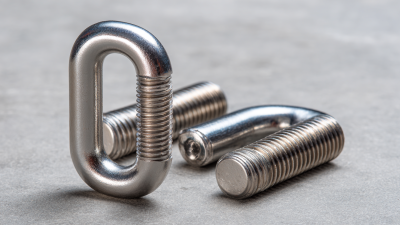
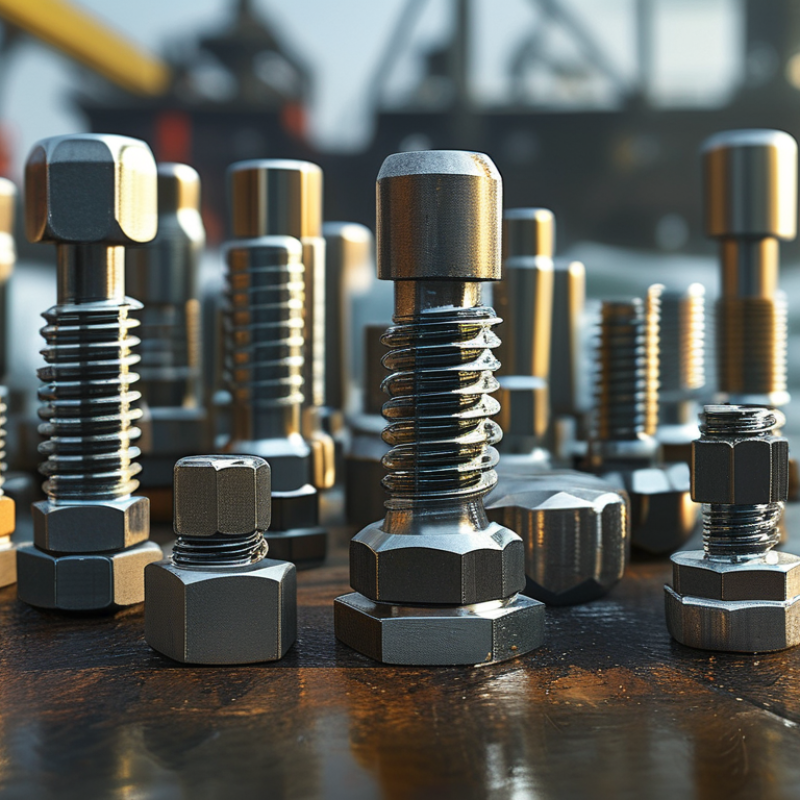
Stainless steel U bolts are essential for a range of applications. Their durability and resistance to corrosion make them ideal for outdoor use. Understanding the different types and specifications is crucial for selecting the appropriate U bolt for your needs.
U bolts typically come in three common types: round, square, and flat.
- Round U bolts are flexible, fitting many varied applications.
- Square U bolts provide a stronger grip and are preferred in heavy-duty situations.
- Flat U bolts, while less common, offer stability in specialized configurations.
According to the American Society for Testing and Materials (ASTM), the tensile strength of stainless steel U bolts can range from 70,000 to 220,000 psi, which means they offer a reliable performance in structural applications.
When looking into specifications, consider the diameter and length of the U bolt. A report by the Global Fasteners Industry estimated that the demand for U bolts will increase by 5% annually over the next five years. The dimensions of the U bolt must align with the intended use. Sometimes, customers overlook the material grade, which affects performance. Grade 304 and 316 are the most common stainless steel grades, with 316 generally providing better corrosion resistance. Choosing the right bolts ensures they meet your unique project demands.
Factors to Consider When Choosing Stainless Steel U Bolts
Choosing the right stainless steel U bolts requires careful consideration of several factors. First, material grade is crucial. Common grades like 304 and 316 each offer unique resistance levels against corrosion. According to industry reports, 316 grade provides better protection in marine environments compared to 304. However, 304 is often adequate for less harsh conditions.
Next, size and dimensions play a pivotal role. Many projects need specific measurements for effective securing. A mismatch can lead to structural failures. Additional factors include load capacity and installation type, which can vary based on application. Research indicates that using U bolts that exceed load requirements by at least 25% can enhance safety and longevity.
Finally, consider environmental exposure. U bolts in fresh water may not need the same protection as those in salty conditions. This oversight can lead to premature wear or failure. Studies indicate that neglecting the environment can reduce the lifespan of fastening components significantly. Balancing these elements is essential for making informed choices.
How to Choose the Best Stainless Steel U Bolts for Your Needs?
| Factor |
Description |
Recommendation |
| Material Grade |
Stainless steel U bolts are available in different grades like 304 and 316. Grade 316 offers better corrosion resistance. |
Choose grade 316 for marine or highly corrosive environments. |
| Size |
U bolts come in various sizes. Ensure the dimensions match your application requirements. |
Measure your needs carefully and refer to manufacturer specifications. |
| Thread Type |
U bolts can have different thread types including coarse and fine. This affects compatibility with nuts and washers. |
Verify compatibility with existing components. |
| Load Capacity |
Different U bolts have different load capacities. Ensure the U bolt can handle the required load. |
Consult load ratings and select accordingly. |
| Finish Type |
Stainless steel U bolts may have various finishes such as polished, brushed, or galvanized. |
Select a finish that suits your aesthetic and environmental needs. |
Sizing Guidelines: How to Measure for the Right U Bolt Fit
When selecting the right stainless steel U bolt, measuring accurately is crucial. Ensuring a proper fit can enhance functionality and longevity. According to industry standards, U bolts come in various sizes and shapes, making size selection essential for your specific application.
To measure for a U bolt, start with the diameter of your pipe or application point. Use a caliper for precise measurements. Standard U bolts typically require you to measure the width across the bottom and the height of the legs. The American National Standards Institute (ANSI) provides guidelines for standard sizes, aiding in your selection process. Take note that many applications require specific grades of stainless steel, such as 304 or 316, to withstand environmental conditions.
It’s vital to consider the wall thickness of your application. Underestimating this can lead to installation issues. Additionally, ensure you account for the space between mounting points. Inadequate spacing may lead to stress fractures. In practice, users often overlook these elements, leading to problems down the line. Measurement precision and an understanding of U bolt specifications are key.
How to Choose the Best Stainless Steel U Bolts for Your Needs?
Assessing Corrosion Resistance in Stainless Steel U Bolts
When selecting stainless steel U bolts, corrosion resistance is a critical factor. Stainless steel is known for its durability, but not all grades offer the same protection against corrosion. Various environmental factors can affect performance. Exposure to saltwater, humidity, or harsh chemicals can accelerate the corrosion process in inferior quality materials.
To assess corrosion resistance, consider the grade of stainless steel. Grades like 304 and 316 are popular choices, but 316 often offers better resistance due to its molybdenum content. This can be essential in marine or coastal applications. Additionally, the surface finish can impact resistance. A smooth, polished surface can minimize pitting and crevice corrosion.
When purchasing U bolts, inspect them visually. Look for any signs of pitting or rust. Even small imperfections can indicate potential weakness. Researching suppliers and manufacturers is equally vital. Reliable sources should provide certifications and test data on corrosion resistance. Knowledge gaps exist in the market, so staying informed can help avoid costly mistakes.
Application Scenarios: Selecting U Bolts for Different Projects
U-bolts are versatile fasteners widely used in various projects. Their design and application can vary significantly based on requirements. For automotive projects, heavy-duty stainless steel U-bolts provide strength and durability. These secure components like leaf springs and axles. In contrast, lighter U-bolts are suitable for garden trellises or supporting small structures.
Selecting the right U-bolt also depends on environmental factors. Corrosion resistance is essential in marine applications, where exposure to saltwater is common. Here, a higher grade of stainless steel is recommended. In residential projects, aesthetics might play a role. Homeowners often choose U-bolts that blend with the overall design. However, it’s crucial to reflect on the project's demands rather than just visual appeal.
Installation is another area to consider. A poorly installed U-bolt can lead to failure. Incorrect torque settings can compromise its performance. Regular inspections are vital for longevity. It’s easy to overlook these aspects, but doing so can have serious implications. Each project has unique needs; understanding them can prevent costly mistakes.