10 Best Brass Washers for Optimal Performance and Durability
When it comes to ensuring optimal performance and durability in various applications, the choice of materials plays a critical role. Brass washers, known for their corrosion resistance and strength, are often a favored option in both mechanical and plumbing projects. This article delves into the top 10 brass washers that stand out in the market, highlighting their unique features and benefits. Understanding the right type of brass washer for your specific needs can greatly enhance the functionality of any assembly, providing not just a secure fit but also longevity in challenging environments.
In exploring the best brass washers available today, we will discuss key factors such as size, thickness, and manufacturing quality that influence performance. Additionally, we will share valuable tips on selecting the right washer for different projects, helping you make informed decisions while ensuring that you achieve the best results possible. Whether you're working on home repairs, machinery maintenance, or automotive tasks, the right brass washers will make a significant difference in the effectiveness and reliability of your work. Let's dive into our top picks and discover how these essential components can elevate your project's success.
Types of Brass Washers and Their Unique Benefits
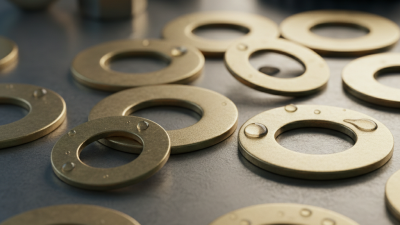
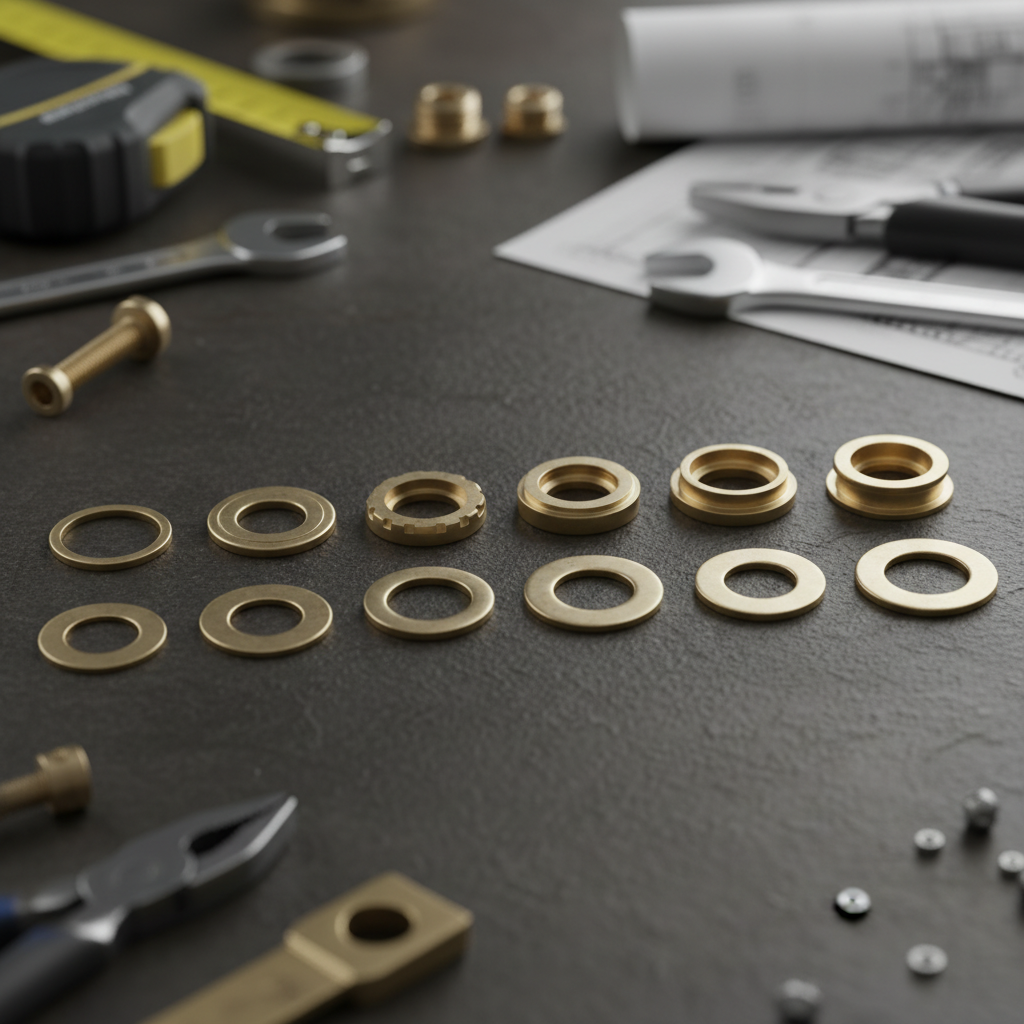
When selecting brass washers, it's important to understand the different types available and their unique benefits. Flat washers, the most common type, provide a smooth surface that helps distribute loads evenly and reduce friction between surfaces. This characteristic makes them ideal for a variety of applications, from plumbing to electrical installations, ensuring secure connections and minimizing wear.
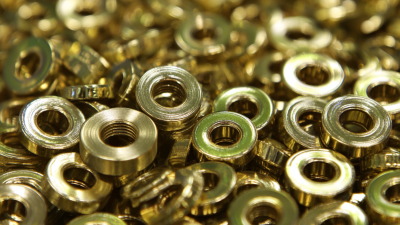
Another notable type is the split washer, or lock washer, designed to prevent loosening in bolted joints. The split design allows it to exert pressure against the nut or bolt, creating a locking effect that withstands vibrations and maintains stability in dynamic environments.
Additionally, cupped washers, which feature a concave shape, provide extra tension and resistance to pull-out forces, making them excellent for high-stress applications. Each type of brass washer serves a specific purpose, contributing to optimal performance and durability in multiple scenarios.
Key Features to Look for in High-Quality Brass Washers
When choosing high-quality brass washers, there are several key features to consider that directly impact their performance and durability. First and foremost, the thickness of the washer plays a crucial role in its ability to withstand stress and load.
Thicker washers can provide better support and prevent deformation over time, especially in high-pressure applications. Additionally, the outer diameter should be compatible with the bolts or screws being used to ensure a snug fit, which helps to distribute the load evenly.
Another important aspect to look for is the corrosion resistance of the brass washer. Brass is generally known for its resistance to rust and corrosion, but the quality of the alloy can vary significantly. Selecting washers made from high-grade brass, such as those with a higher copper content, can enhance their resistance to oxidation, ensuring a longer lifespan even in challenging environments. Finally, precision manufacturing is essential; washers should have uniform dimensions and smooth surfaces to minimize friction and wear, thereby optimizing performance and extending durability in any application.
Top Brands for Brass Washers: A Buying Guide
When selecting brass washers for optimal performance and durability, it's crucial to consider several factors to ensure you choose the right product for your needs. The top brands in the market vary in quality, design, and application, so understanding their strengths can significantly enhance your selection process. Look for brands that specialize in manufacturing durable materials, adhering to industry standards to guarantee longevity in high-stress environments.
Tips: Always check the specifications of the brass washers, including their diameter, thickness, and load-bearing capacity. This ensures that the washers you choose will fit perfectly and perform well under various conditions. Additionally, consider the surface finish; polished or coated washers can offer better resistance to corrosion and wear, making them suitable for use in both indoor and outdoor applications.
Moreover, don’t overlook the importance of supplier reputation. Research customer reviews and testimonials to gauge the reliability and performance of the washers from different manufacturers. A trusted supplier not only provides quality products but often offers excellent customer support, aiding you in making the right choice for your projects.
10 Best Brass Washers for Optimal Performance and Durability
| Washer Type |
Thickness (mm) |
Inner Diameter (mm) |
Outer Diameter (mm) |
Corrosion Resistance |
Temperature Range (°C) |
| Flat Washer |
1.5 |
5 |
10 |
Excellent |
-20 to 150 |
| Lock Washer |
2 |
6 |
12 |
Good |
-20 to 175 |
| Sealing Washer |
3 |
8 |
15 |
Excellent |
-20 to 120 |
| Washer with Rubber |
2.5 |
7 |
14 |
Very Good |
-10 to 100 |
| Belleville Washer |
1 |
5 |
11 |
Good |
-20 to 200 |
Maintenance Tips to Extend the Life of Your Brass Washers

When it comes to ensuring the longevity of your brass washers, regular maintenance is key. Start by
routinely checking for any signs of wear or corrosion. Even if brass is resistant to rust, it can tarnish over time. A
gentle cleaning with soapy water followed by a thorough rinse can remove dirt
and grime, helping to maintain their shine and performance. If necessary, consider using a mild brass polish
to restore their original luster.
Additionally, proper storage and handling play a crucial role in the durability of brass washers.
Store them in a dry environment away from moisture and direct sunlight to prevent
oxidation. When installing, be mindful of over-tightening, which can cause deformation and
reduce their effectiveness. Applying a thin layer of lubricant can also reduce friction, allowing for smoother operation
and further extending the life of the washers. By following these simple maintenance tips, you can ensure optimal performance
and durability from your brass washers for years to come.
Common Applications for Brass Washers in Various Industries
Brass washers are widely used across various industries due to their excellent anti-corrosive properties and strength. In the automotive sector, brass washers are crucial for applications like automotive assemblies and hydraulic systems. According to a report by MarketsandMarkets, the demand for brass components in the automotive industry is expected to grow at a CAGR of 5.2% between 2021 and 2026, driven by the need for lightweight and durable materials that enhance the overall performance of vehicles.
In the construction industry, brass washers play a vital role in plumbing and HVAC applications. Their ability to resist moisture and corrosion makes them ideal for sealing connections and providing reliable performance over time. Research from the Freedonia Group indicates that the market for decorative brass finishes, which includes brass washers, is set to reach $2 billion by 2025, further underscoring their importance in creating durable and aesthetically pleasing fixtures in residential and commercial projects. With their proven durability and versatility, brass washers continue to find extensive use in diverse applications across multiple industries.