2026 Best Black Self Tapping Screws for All Your DIY Projects?
When it comes to DIY projects, having the right fasteners is essential. Among these, Black Self Tapping Screws stand out for their versatility. They are designed for easy installation, offering solid performance without pre-drilling. This feature makes them a favorite among both professionals and hobbyists.
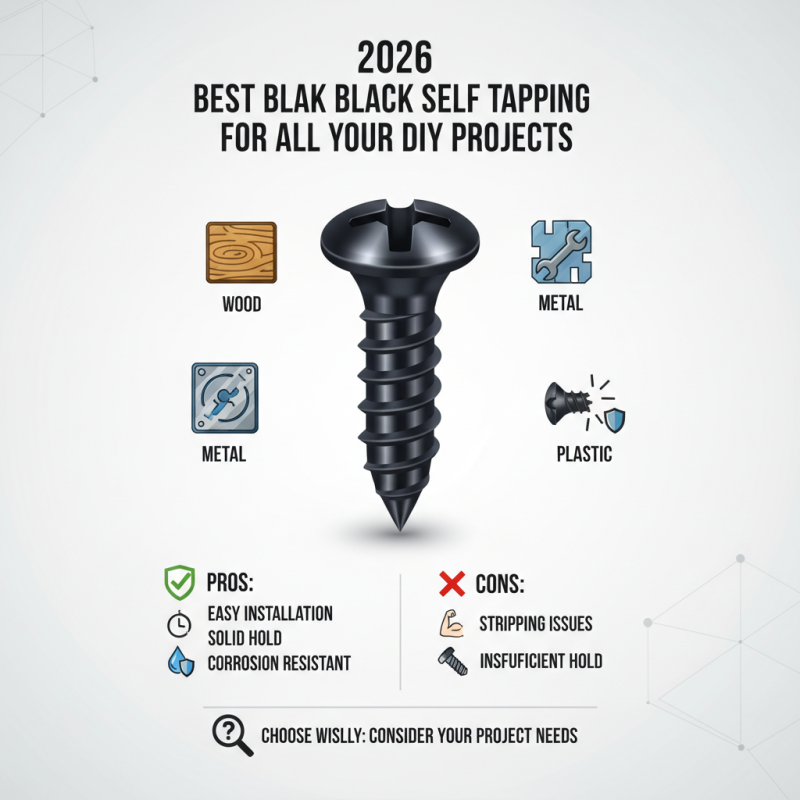
In 2026, the market boasts some of the best Black Self Tapping Screws, tailored for various applications. Whether you're working with wood, metal, or plastic, these screws ensure a secure fit. The coating provides added corrosion resistance, enhancing durability in diverse environments. It's crucial to select the right size, as an improper choice can lead to inadequate fastening.
However, not every brand or type will meet your specific needs. Some users report issues with stripping or insufficient holding power. It’s important to reflect on your requirements before making a purchase. Understanding the nuances of Black Self Tapping Screws will empower you to make informed decisions for your next DIY endeavor.
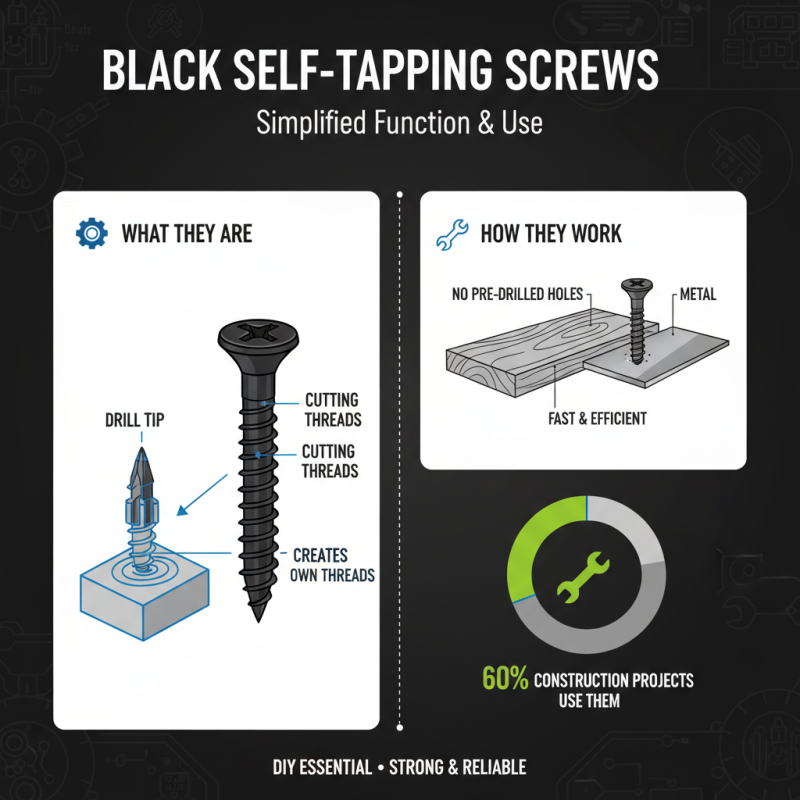
Understanding Black Self Tapping Screws: What They Are and How They Work
Black self-tapping screws are essential for a variety of DIY projects. Understanding their structure and function is crucial. These screws cut their own threads into materials, eliminating the need for pre-drilled holes. According to industry reports, approximately 60% of construction projects utilize these screws for their ease of use and efficiency.
The threads of black self-tapping screws are designed to provide a strong grip. They can be used in wood, metal, and plastic, making them versatile. However, it's important to choose the right length and diameter for your project. An ill-fitting screw can undermine the integrity of your work. Improper installation can lead to stripping or breaking, so attention to detail is key.
**Tip:** Always use a torque wrench when driving screws to avoid over-tightening.
Black oxide coating on these screws enhances corrosion resistance, adding longevity. This is vital in outdoor or high-moisture environments. Regular inspections are recommended, as rust can weaken screws over time.
**Tip:** When storing black screws, keep them in a dry place to prevent moisture buildup.
Comparing Different Types of Black Self Tapping Screws for DIY Projects
When embarking on DIY projects, choosing the right type of black self tapping screws is crucial. These screws are designed to tap their own hole, making them ideal for various materials, like wood and metal. According to a 2022 industry report, approximately 80% of DIY enthusiasts prefer self tapping screws for ease of use and efficiency. Proper selection enhances durability and strength in your projects.
There are several types of black self tapping screws available, each tailored to specific applications. For instance, some are made from carbon steel for strength, while others feature a corrosion-resistant coating. A study conducted by the National Fastener Distributors Association indicated that using the wrong type of screw can lead to structural weaknesses. It’s essential to match the screw head type and thread pitch to your project's requirements. In practice, many DIYers skip this step and encounter issues later.
While black self tapping screws deliver great benefits, they are not without flaws. Improper installation can lead to stripping, which is frustrating and wasteful. Additionally, it’s vital to assess the thickness of the material you are working with. Misestimating can result in screws that are either too short or excessively long. These oversights can hinder your progress, emphasizing the importance of careful planning and knowledge when choosing the right fasteners for your DIY tasks.
Top 2026 Brands for Black Self Tapping Screws: Features and Benefits
When embarking on your DIY projects, selecting the right black self-tapping screws is crucial. These screws not only ensure strong connections but also provide a polished look to your work. The best brands offer a variety of features, making them suitable for wood, metal, or plastic applications. Black coatings are often used to prevent corrosion and enhance aesthetics.
To maximize their effectiveness, consider the screw's design. Sharp tips work well for soft materials, while those with deeper threads are ideal for harder surfaces. Always ensure the chosen screw length suits your project requirements.
Tip: Before starting, test a few screws on scrap materials. This practice helps identify the best fit for your project. Pay attention to any stripping or bending, as this could indicate the need for a different screw type.
Reflecting on your choices can lead to improvements. Sometimes you may overlook factors such as screw placement or depth. Take the time to plan your approach and adapt as necessary. Adjusting your technique can lead to more satisfying results in your DIY endeavors.
Choosing the Right Size and Type of Black Self Tapping Screws for Your Needs
When selecting black self-tapping screws, size matters significantly. The diameter and length of the screws should match the materials you are working with. For thin materials, opt for smaller screws. A common choice is #8 or #10 for light-duty projects. However, using larger ones on thinner woods may split them. Take care to account for this before starting.
Types of black self-tapping screws vary. Coarse-thread screws work well for softer materials, while fine-thread screws perform better in metals. In some projects, a mix of both might be necessary. It’s good practice to test a few screws to ensure they grip well without damaging the surface. Each project can present unique challenges in finding the right screw type.
Do not underestimate the importance of quality. Poor screws can lead to stripped heads or broken threads. Consider a few different options based on feedback and personal experience. Reflect on past projects to avoid similar mistakes. A wise choice today can enhance your overall project effectiveness.
Best Practices for Using Black Self Tapping Screws in Your DIY Projects
When using black self-tapping screws, proper techniques can significantly enhance your DIY projects. Start by selecting the right size screw for your materials. A screw that is too long can split wood, while one that is too short may not provide sufficient hold. Pre-drilling a pilot hole is often recommended. This step can help avoid material damage and ensure a tighter grip.
Additionally, consider the type of material you are working with. Black self-tapping screws are often chosen for their resistance to corrosion. However, even the best screws won't perform well if they’re not suited for the application. Evaluate your project closely before proceeding.
Finally, it’s essential to apply the right amount of torque. Over-tightening can lead to stripped threads or damaged materials. If you find that the screw doesn't grip well, it might be wise to reflect on your initial choices. Ensuring the screws are not damaged or rusted is also crucial. Proper care and attention to detail will yield better results in your DIY journey.
2026 Best Black Self Tapping Screws for All Your DIY Projects
This chart presents the effectiveness of black self-tapping screws in various DIY project categories. The data reflects user satisfaction ratings based on ease of use, corrosion resistance, and overall performance across different materials.