In an ever-evolving world of safety, understanding Security Bolts is crucial for buyers. These fasteners are essential in various applications, from construction to electronic devices. A high-quality bolt can enhance security and provide peace of mind. However, not all Security Bolts are created equal.
Choosing the right bolt requires knowledge and attention to detail. Consider factors such as material, strength rating, and design. Each element plays a role in the overall effectiveness of your security measures. Missteps in selection could lead to vulnerabilities.
Buyers must reflect on their specific needs. Are you securing a home, business, or high-value items? Each situation demands a unique approach. In the following sections, we will explore the top options for 2026 and provide guidance on making informed choices. Understanding these details will empower you to secure your investments effectively.
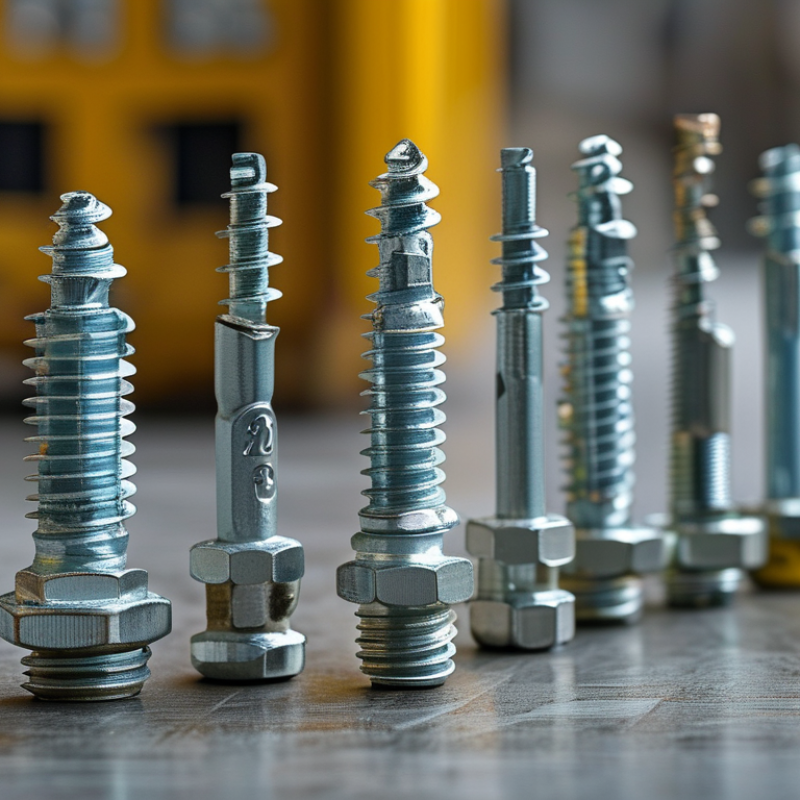
Security bolts are crucial for enhancing safety. The 2026 versions showcase several key features. They are designed to resist tampering and withstand extreme conditions. Made from high-strength materials, they provide durability. Their unique designs also offer better grip during installation.
Selecting the right bolt can make a significant difference. Consider factors like size and material type for your specific needs. Remember, security bolts should fit snugly to prevent unauthorized access.
Choose products with certifications to ensure reliability. Always check for any potential weaknesses in your choice. When working with security hardware, boring details can emerge. Rely on trustworthy sources for knowledge. Staying informed will help you make wise decisions.
As we look into the types of security bolts available in 2026, understanding their applications is crucial for informed purchasing decisions. Security bolts come in various forms, designed to meet specific safety needs. For example, tamper-resistant bolts are often used in public installations. According to industry reports, these bolts reduce unauthorized access by 75% in critical infrastructure.
Another notable type is shear bolts, which are engineered to break under excessive force. This feature provides a clear indicator of tampering. They're widely utilized in equipment that must remain secure against theft or vandalism. An increasing number of businesses are recognizing the importance of these bolts; market data shows a 30% rise in demand over the last two years.
While it's essential to choose the right bolt, not all security solutions are foolproof. There have been cases of improper installations leading to vulnerabilities. Understanding the specific environment where security bolts will be used is key. Not every bolt suits every situation. It's wise to consult with experts, ensuring a sound selection tailored to unique security needs.
Choosing the right security bolt can be challenging. Different situations require different types of bolts. Metal and material quality play a crucial role in their effectiveness. Consider the environment where the bolt will be used. Rust-prone areas need corrosion-resistant options.
Look at the size of the bolts too. A larger bolt often provides better security but may limit your application. Evaluate the tensile strength. A strong bolt withstands greater stress and prevents tampering. Think about installation. Some bolts require special tools or expertise. Miscommunication can lead to improper installation and reduced security effectiveness.
Finally, remember that no bolt can guarantee absolute security. Be aware of potential vulnerabilities. Seek advice from professionals if necessary. Assess your specific needs thoroughly. This preparation pays off in the long run, ensuring the best choice for your requirements.
When installing 2026 security bolts, preparation is key. Begin by gathering all necessary tools. A drill, a wrench, and measuring tape are essential. Measures should be taken to ensure the right location for installation. Proper positioning greatly affects the bolt's effectiveness. Remember, even minor misalignments can compromise security.
Before drilling, mark the spots clearly. This helps avoid errors and wasted effort. Consider the materials of the surface where the bolts will be installed. Different surfaces require different types of anchors. It's also crucial to drill holes according to the manufacturer's specifications. Incorrect hole size or depth can lead to inadequate strength.
After drilling, clean the holes thoroughly. Dust and debris can weaken the bond. Ensure the bolts fit snugly but do not force them in. Over-tightening can strip the thread or damage the material. Take your time; rushing can create problems later. If unsure about steps, consult professional resources. Their guidance can enhance installation quality and safety significantly.
Maintaining security bolts is crucial for their effectiveness and longevity. Regular maintenance prevents rust and corrosion, which can weaken the bolts over time. Inspecting them frequently for signs of wear is important. Small cracks or discoloration might indicate that they need replacement.
One common mistake is ignoring the environment where these bolts are used. Extreme temperatures and moisture can create challenges. Using protective covers can shield bolts from harsh elements. It's okay to admit that not every installation will be perfect. Learning from past experiences can lead to better choices in the future.
Lubrication is another vital aspect of maintenance. A simple application of a suitable lubricant can enhance functionality. However, avoid over-lubricating; this can attract dust and debris. Take a moment to reflect on how often maintenance routines are skipped. Regular checks can save time and money in the long run.
| Dimension | Material | Security Level | Maintenance Tips | Expected Lifespan |
|---|---|---|---|---|
| M6 x 20mm | Stainless Steel | High | Clean regularly, lubricate every 6 months | 10 years |
| M8 x 30mm | Carbon Steel | Medium | Inspect for rust, apply protective coating | 7 years |
| M10 x 40mm | Alloy Steel | Very High | Regular checks for wear, replace if damaged | 12 years |
| M12 x 50mm | Titanium | Extreme | Avoid exposure to harsh chemicals | 15 years |
| M14 x 60mm | Brass | High | Keep dry, polish regularly to prevent tarnish | 8 years |