2025 Top Coach Screws Trends Benefits and Specifications for Every Project
As we approach 2025, the construction and manufacturing industries are witnessing a significant evolution in fastening technology, with coach screws taking center stage. These versatile fasteners, renowned for their high tensile strength and load-bearing capabilities, are becoming increasingly essential in various applications ranging from wood construction to metal fabrication. According to a recent report by Research and Markets, the global market for construction fasteners, including coach screws, is projected to reach $75 billion by 2025, with a CAGR of 4.2%. This growth highlights the escalating demand for durable and efficient fastening solutions in the face of evolving project requirements.
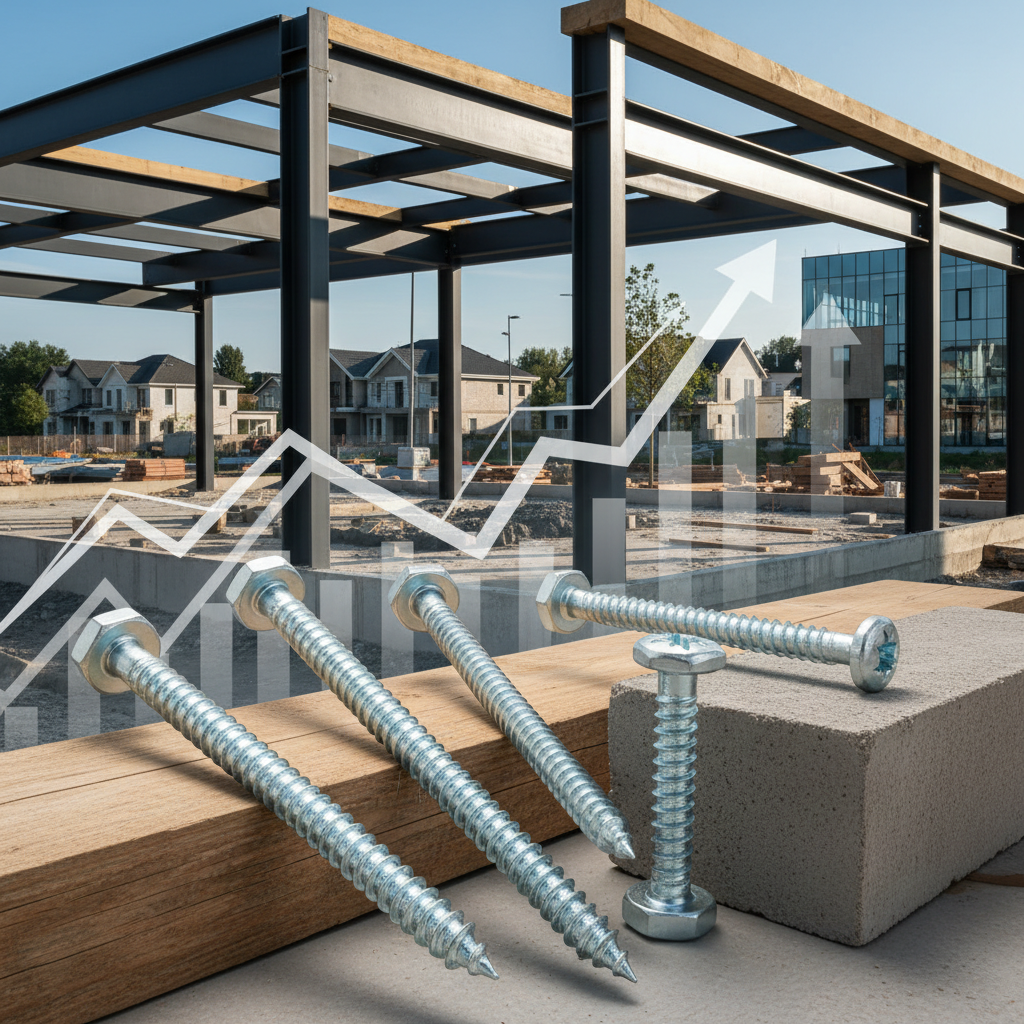
In this context, understanding the latest trends, benefits, and specifications of coach screws is crucial for industry professionals and DIY enthusiasts alike. From enhanced corrosion resistance to innovative designs that facilitate easier installations, the options available today are tailored to meet the diverse needs of modern projects. For instance, advancements in materials and coating technologies have led to coach screws that provide exceptional performance in harsh environments, making them ideal for outdoor applications. As we delve into the top trends shaping the coach screw market in 2025, it becomes evident that these fasteners are not only pivotal in meeting structural integrity standards but also in optimizing project timelines and efficiency.
Top Innovations in Coach Screws for 2025: The Future of Fastening Solutions
The coach screw industry is witnessing remarkable innovations in 2025, reflecting advancements in materials and design that cater to evolving construction needs. According to a recent report by MarketsandMarkets, the global screws market is anticipated to grow at a CAGR of 5.4% from 2023 to 2028. This growth is driven by the rising demand for high-strength fastening solutions in various sectors, particularly construction and automotive. Innovations such as corrosion-resistant coatings and enhanced thread designs are enabling coach screws to achieve superior holding power while minimizing potential failures.
Furthermore, sustainability is a critical focus in the development of new coach screw solutions. Many manufacturers are shifting towards eco-friendly materials and production processes, aiming to reduce their carbon footprint. A study by Grand View Research indicates that the green building materials market is expected to reach USD 1,200 billion by 2028, signifying a robust opportunity for eco-conscious fastening solutions. By incorporating recycled materials and more sustainable practices, the coach screw segment is poised to meet the growing demand for sustainable construction methods while offering enhanced performance in various applications.
Benefits of Using Coach Screws: Enhancing Structural Integrity and Reliability
When it comes to enhancing structural integrity and reliability in construction projects, coach screws are indispensable. Their unique design features a large, flat head and a coarse thread that allows for superior grip in various materials, including wood and metal. This makes them perfect for applications that require a secure hold and resilience against stress, making them a favored choice among builders and DIY enthusiasts alike.
**Tips for Choosing the Right Coach Screws:**
1. **Material Matters**: Opt for screws made from corrosion-resistant materials, especially for outdoor projects or in damp environments.
2. **Length and Thickness**: Ensure you select screws that are appropriate for the thickness of the materials you are working with to maintain stability.
3. **Drive Type**: Consider the drive type (Phillips, Torx, etc.) that best suits your tools and ease of installation.
Incorporating coach screws into your projects not only enhances their durability but also streamlines the building process. Their reliability allows for peace of mind, knowing that the structure will stand the test of time and environmental influences. As trends evolve, the benefits of utilizing these screws remain a cornerstone in achieving strong, reliable results in various applications.
2025 Top Coach Screws Trends Benefits and Specifications for Every Project
| Dimension |
Material |
Coating Type |
Load Capacity (lbs) |
Corrosion Resistance |
Applications |
| #8 x 1.5" |
Steel |
Zinc Plated |
100 |
Low |
Wood and Light Duty Applications |
| #10 x 3" |
Stainless Steel |
Passivated |
200 |
High |
Decking and Outdoor Structures |
| #12 x 4" |
Carbon Steel |
Galvanized |
300 |
Medium |
Heavy Duty Construction |
| #14 x 5" |
Alloy Steel |
Black Oxide |
400 |
High |
Industrial and Structural Applications |
Essential Specifications Every Project Should Consider When Selecting Coach Screws
When selecting coach screws for a project, it’s crucial to consider several essential specifications that can directly influence the structural integrity and longevity of your work. First and foremost, the diameter and length of the screws should align with the materials being fastened. A thicker screw provides greater holding power, while the length must penetrate sufficiently into the substrate to ensure stability. The material of the coach screws also plays a critical role; options such as stainless steel or galvanized steel can offer increased resistance to corrosion, making them ideal for outdoor or high-moisture environments.
Additionally, the thread type and design are vital components to take into account. Coarse threads may be more suitable for softer materials, while fine threads allow for a more secure hold in denser materials. The head style—be it hex, square, or slotted—can impact the ease of installation and removal, so selecting a type that matches your tools and application is important. Lastly, look for screws that come with specific coatings or treatments designed to enhance their performance under various conditions. By carefully weighing these specifications, you can choose the most appropriate coach screws for the demands of your project.
2025 Coach Screws Trends: Performance by Material Type
Digital Tools for Choosing the Right Coach Screws: A Modern Approach
In today’s fast-paced world, digital tools have revolutionized how we select the right coach screws for various projects. Utilizing online platforms and mobile applications can streamline the process, providing users with detailed specifications, material options, and compatibility information. This modern approach not only saves time but also enhances accuracy in choosing the most suitable screws for specific needs.
Tips: When using digital tools, always ensure you're inputting the correct project details, such as material type and load requirements. Many apps allow you to visualize different screw options in your project environment, which helps in making more informed decisions.
Additionally, take advantage of online reviews and ratings for different brands of coach screws. This feedback can provide insight into the durability and performance of specific products. Pair this knowledge with digital calculators that assess screw length and diameter based on your project’s thickness requirement, and you’ll be set for success.

Best Practices for Installing Coach Screws: Maximizing Performance and Longevity
Installing coach screws correctly is crucial for ensuring their performance and longevity in various projects. According to a report by the National Association of Home Builders, improperly installed fasteners can lead to significant structural failures, costing homeowners an average of $5,000 in repairs. To maximize the effectiveness of coach screws, it is vital to select the right type for the specific application. For instance, using stainless steel coach screws in outdoor environments can prevent corrosion, which is often responsible for premature failure.
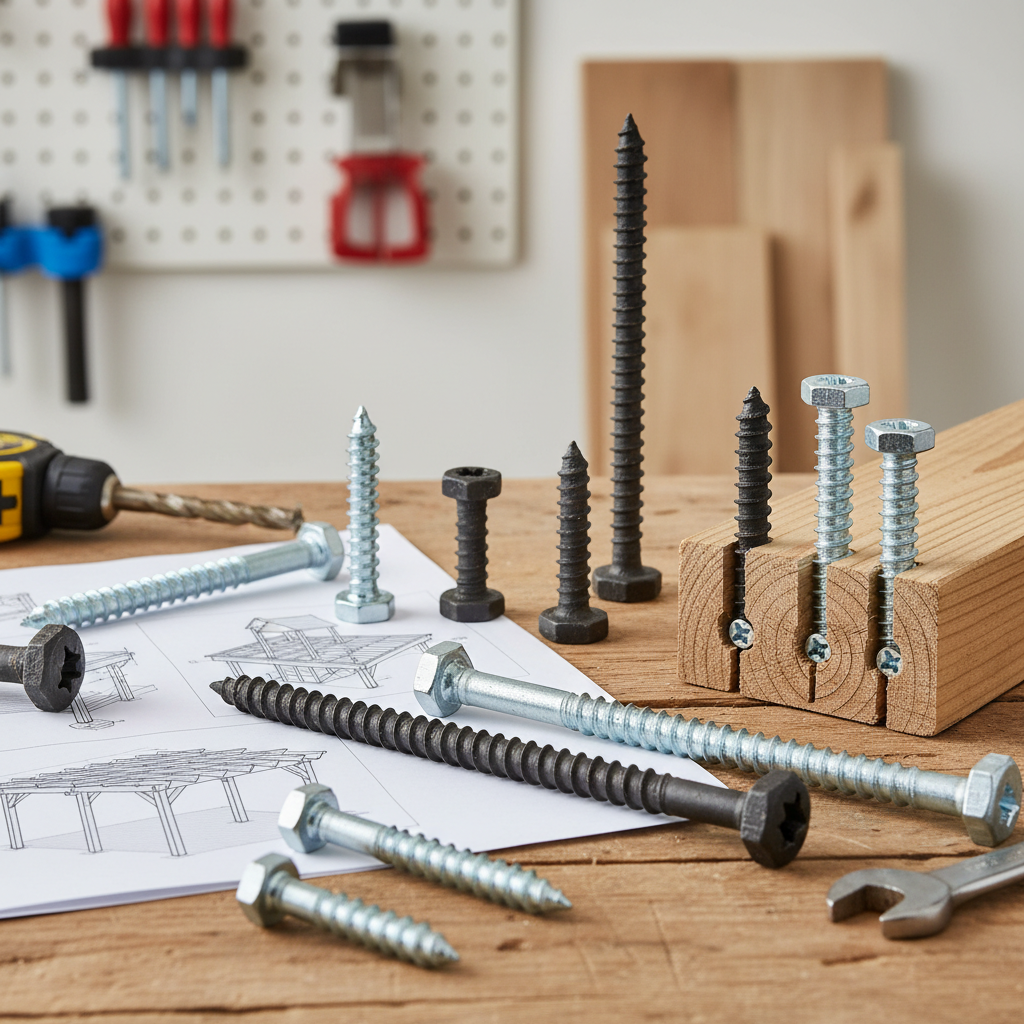
Best practices for installation include pre-drilling holes to prevent wood splitting, especially in hardwoods where the density can inhibit penetration. The American Wood Council highlights that pre-drilling can increase performance by 30% over directly driving the screw into the material. Additionally, applying the correct torque is essential; over-tightening can lead to stripping, while under-tightening may result in loose joints. Utilizing a torque wrench can help attain the optimal balance needed for securing connections without damaging the screw or the material.